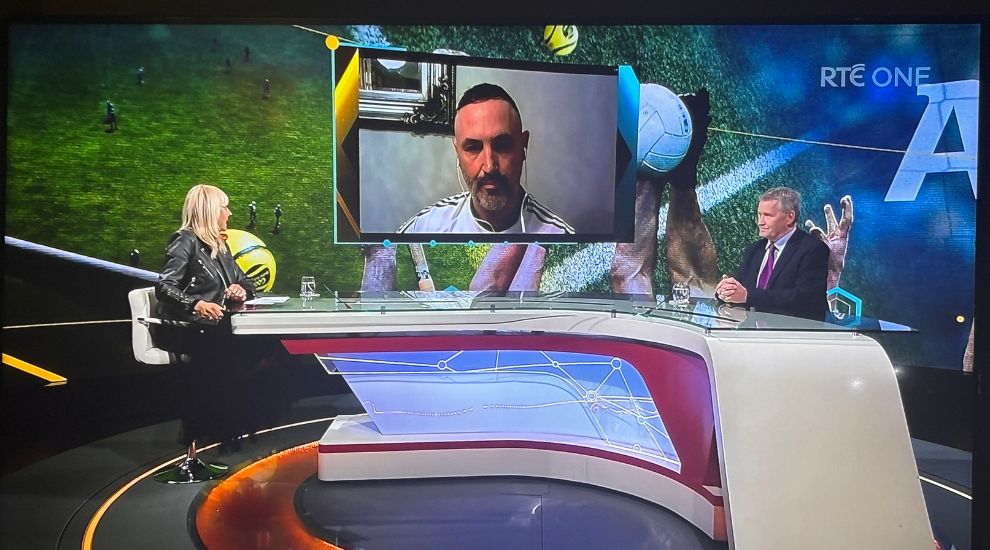
The RTÉ Primetime spotlight fell last night on the debate over the GAA’s sponsorship relationship with Allianz.
I went into the studio knowing this would not be a comfortable conversation. The issue of the GAA’s sponsorship relationship with Allianz touches on deeply held views, genuine anger and profound concern about events in Gaza. Those emotions deserve to be acknowledged first and foremost. Protest, dissent and moral questioning are not only legitimate in Irish society — they are essential to it.
My role in that debate was not to dismiss those concerns expressed by David Hickey in the report before the debate and by Brendan Devenney via a link to Donegal, which I share, nor to act as a spokesperson for Allianz. It was to explain the reality that sporting organisations like the GAA must operate within, and the consequences that follow from decisions made under intense public pressure.
One of the central challenges we face today is that the global economy is extraordinarily interconnected. Very few large organisations operate in isolation. Investment structures, subsidiary relationships and supply chains span borders and jurisdictions in ways that make absolute moral certainty extremely difficult to achieve. That is not a defence of wrongdoing; it is a description of the world as it now exists.
In the debate, I referenced the United Nations report authored by Francesca Albanese, which named dozens of multinational companies across sectors, including technology, transport and finance. They are organisations that are central to how we live our modern lives.
My point was not to engage in whataboutery, but to pose a genuine governance question: if a sporting body decides that one sponsor is unacceptable on ethical grounds, how does it consistently and credibly apply that standard across all its commercial relationships?
That question matters because precedent matters. Once you begin drawing lines, you must be able to explain why those lines sit where they do, and how they will be applied in future. Otherwise, organisations expose themselves to incoherence, legal risk and an inability to plan sustainably.
I also spoke about the value of sponsorship, not as an abstract financial concept, but as what it enables. Major sponsorship underpins participation programmes, grassroots initiatives and the day-to-day running of competitions that allow children and communities across the country to engage in sport. Removing funding is not a morally neutral act; it carries consequences of its own, often borne by people far removed from boardrooms or global politics.
None of this is to deny the suffering we are witnessing, or to suggest that ethical considerations should be sidelined. But institutions like the GAA have a responsibility to balance values with stewardship — to honour contracts, to protect their ability to function, and to ensure that decisions taken today do not undermine the organisation’s capacity to serve future generations.
I understand why some people found that perspective uncomfortable. In moments like these, clarity and conviction feel more satisfying than complexity. But complexity does not disappear simply because we choose not to engage with it.
My intention in that studio was to articulate the reality administrators are grappling with behind closed doors — not to win an argument, but to explain why this debate cannot be reduced to a single moral gesture without serious and lasting implications.
Isn’t talking about these things always the best way to resolve our differences?
Rob Hartnett, Founder, Sport for Business
Image Credit: Sport for Business

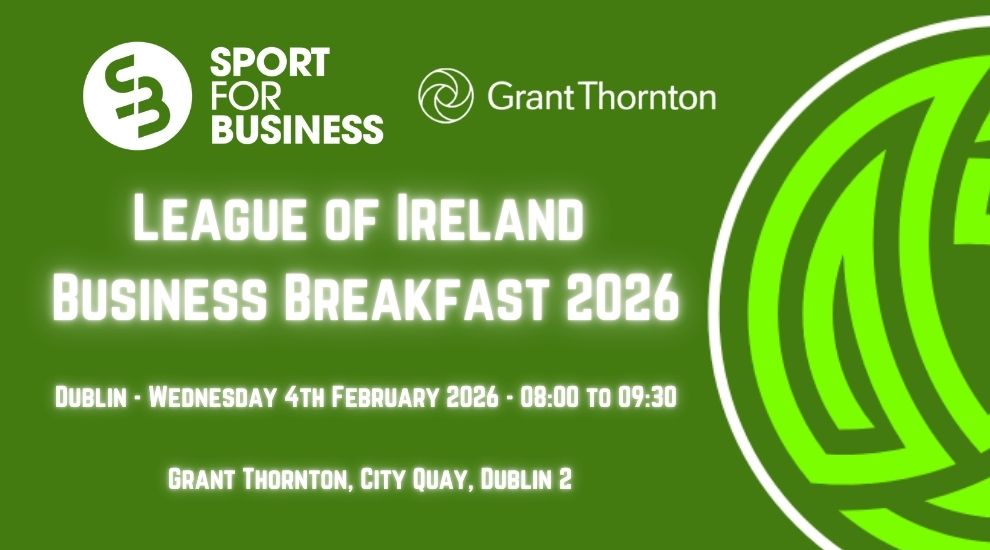
Secure your place for our next event
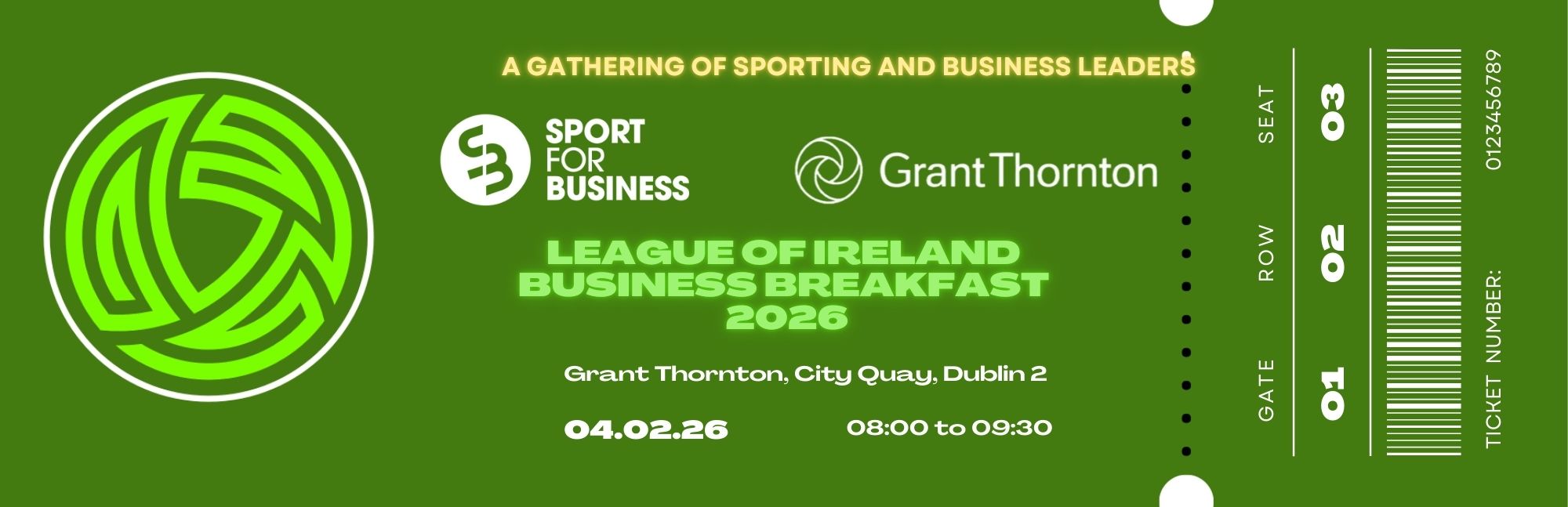
Upcoming Sport for Business events


SPORT FOR BUSINESS
Sport for Business is Ireland’s leading platform focused on the commercial, strategic and societal impact of sport. It connects decision-makers across governing bodies, clubs, brands, agencies and public institutions through high-quality journalism, events and insight. Sport for Business explores how sport drives economic value, participation, inclusion and national identity, while holding organisations to account on governance and sustainability.
Through analysis, storytelling and convening the sector, it helps leaders understand trends, share best practice and make better-informed decisions. Its work positions sport not just as entertainment, but as a vital contributor to Ireland’s social and economic fabric.
Find out more about becoming a member today.
Or sign up for our twice-daily bulletins to get a flavour of the material we cover.
Sign up for our News Bulletins here.