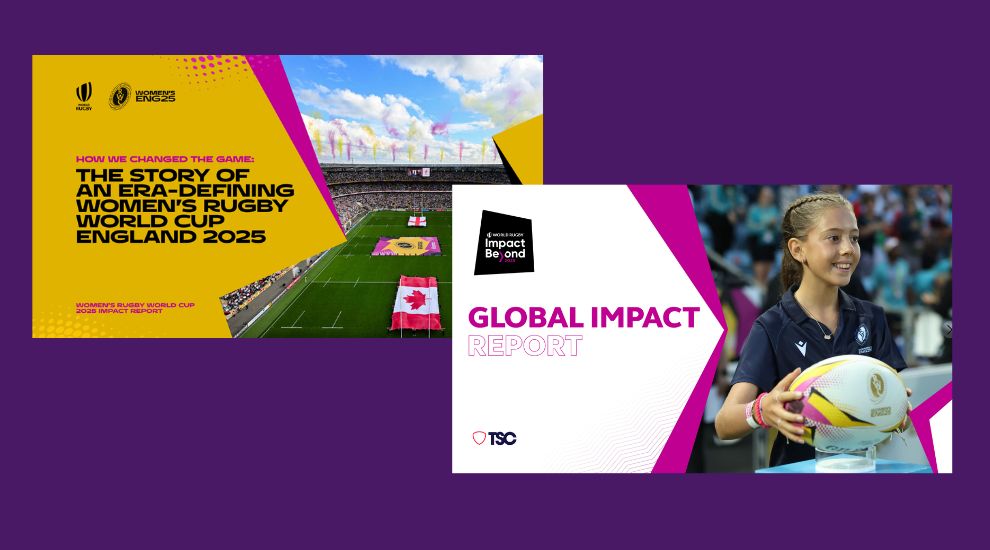
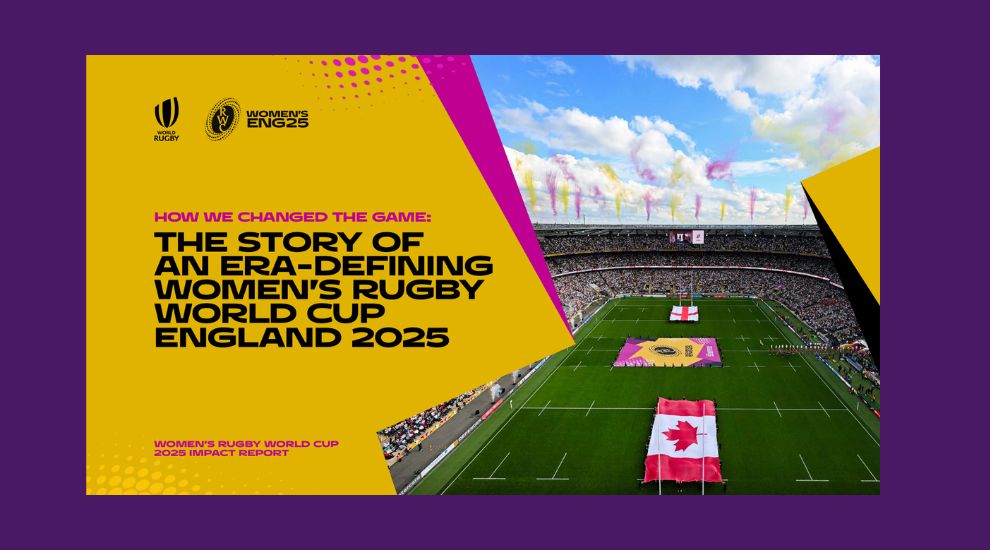
World Rugby has published two landmark reports detailing the full economic, commercial and social impact of Women’s Rugby World Cup 2025 in England, revealing a £294.7 million economic return and what it describes as a “transformational” legacy for the women’s game globally.
For the first time, the governing body has presented a unified picture of the tournament’s domestic and international impact through the Women’s Rugby World Cup 2025 Impact Report and the Impact Beyond 2025 Global Impact Report.
Together, they outline how the event delivered record-breaking commercial performance while accelerating participation, leadership and capability development across World Rugby’s 134 member unions and six regional associations.
Record Crowds and Regional Economic Uplift
Hosted across eight cities — Brighton, Bristol, Exeter, London, Manchester, Northampton, Sunderland and York — the tournament sold 444,465 tickets, tripling attendance from the previous edition. The final at Allianz Stadium, Twickenham attracted 81,885 spectators, setting a new world record for a women’s rugby match and becoming the second most attended Rugby World Cup final, across both men’s and women’s competitions.
Ireland will play England at the same venue in this year’s Guinness Women’s Six Nations and 60,000 tickets have already been sold for that game in April.
The widespread distribution of fixtures drove economic benefits beyond the capital, with more than 80 per cent of the £294.7 million impact generated outside London. The event also delivered £54 million in destination media value for host cities, underlining its civic and tourism significance.
Fan satisfaction was reflected in a Net Promoter Score of +84, while 82 per cent of players rated their tournament experience as good or excellent.
Commercial Breakthrough and Media Reach
The reports highlight a step-change in the commercial profile of women’s rugby. Sponsorship revenues increased by 330 per cent compared with the previous edition, while the tournament delivered £201 million in media value for commercial partners. Four out of five principal partners have since extended their commitment to the women’s game.
Broadcast and digital reach also reached unprecedented levels. The event generated 147 million global viewing hours — a 336 per cent increase on 2021 — and more than one billion social media impressions. Free-to-air coverage in key markets and a digital-first storytelling strategy helped elevate players’ profiles and attract younger audiences.
World Rugby Chair Brett Robinson described the tournament as a defining moment.
“The impact reports show just how transformative it was, for players, for fans, for communities and for our global rugby ecosystem,” he said. “It proved what our game can deliver when we invest boldly in women’s sport.”
Social Purpose and Participation Growth
Beyond economic and commercial returns, the tournament sought to reshape perceptions of women’s rugby. The ‘Where We Belong’ campaign focused on inclusion, representation and body confidence, reinforcing the message that women and girls have a rightful place across all areas of the sport.
Among spectators, 96 per cent described the event as inspiring, while 94 per cent of first-time attendees said they intended to watch women’s rugby again. Seventy-five per cent of women aged 13–25 reported feeling more motivated to be active after engaging with the tournament.
Global Legacy Through Impact Beyond 2025
Running in parallel, the Impact Beyond 2025 programme delivered targeted global development initiatives. More than 35,500 teenage girls took up rugby through Rugby Rising Play grants in 42 unions, including emerging nations such as Laos, Nigeria, Bosnia and Herzegovina and the Cook Islands.
Over 100 women from 56 countries enrolled in career development programmes, while the Gallagher High Performance Academy supported 47 female coaches, contributing to a record 32 per cent female coach representation at the tournament.
The programme also introduced the most comprehensive mental health and online protection frameworks yet seen at a Rugby World Cup, analysing more than 440,000 potentially abusive social media posts and reporting 1,189 cases to platforms and authorities.
World Rugby Chief of Women’s Rugby Sally Horrox said the programme demonstrated the power of linking major events to structured legacy delivery.
“From teenage girls picking up a rugby ball for the first time to women stepping into coaching and leadership roles, this programme is changing lives and strengthening the foundations of our sport worldwide,” she said.
A Model for Future Events
By publishing the two reports together, World Rugby has positioned Women’s Rugby World Cup 2025 as both a commercial success and a development engine. The governing body intends to build on this model through the next cycle of major tournaments, including Women’s Rugby World Cup 2029 in Australia and Women’s Rugby World Cup 2033 in the USA.
Women’s rugby is delivering measurable return on investment, commercial growth and social impact at scale.
As global demand for women’s sport accelerates, World Rugby’s England 2025 blueprint may now serve as a template for how major events can drive both economic value and enduring change.
Read a copy of the Women’s RWC Impact Report here.
Read a copy of the Global Impact Report here.
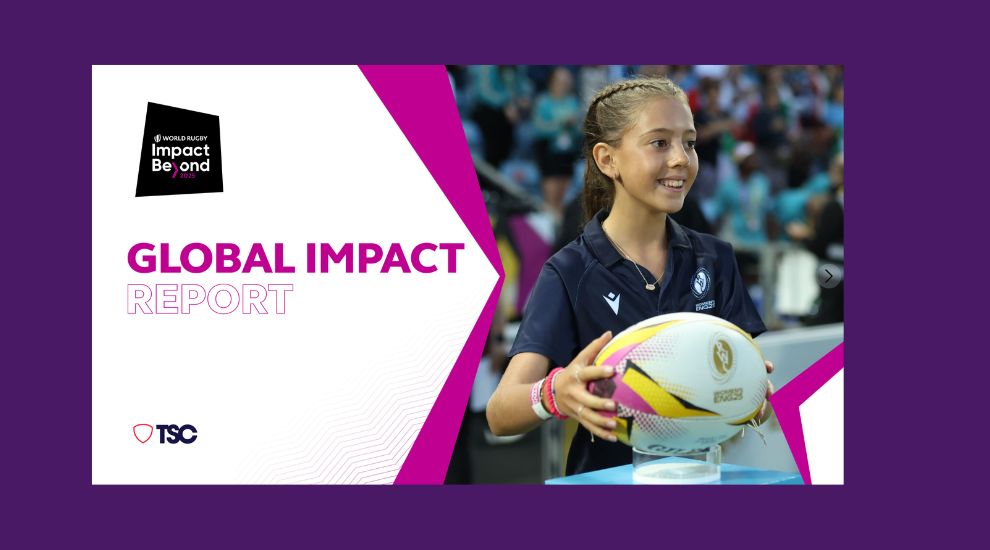

Image Credit: World Rugby
ABOUT SPORT FOR BUSINESS
Sport for Business is Ireland’s leading platform focused on the commercial, strategic and societal impact of sport. It connects decision-makers across governing bodies, clubs, brands, agencies and public institutions through high-quality content, events and insight. Sport for Business explores how sport drives economic value, participation, inclusion and national identity, and how your story can be part of ours.
Through analysis, storytelling and convening the sector, it helps leaders understand trends, share best practice and make better-informed decisions. Its work positions sport not just as entertainment, but as a vital contributor to Ireland’s social and economic fabric.
Find out more about becoming a member today.
Or sign up for our twice-daily bulletins to get a flavour of the material we cover.
Sign up for our News Bulletins here.
Upcoming Events