Leadership isn’t built on a straight line, yet two of the biggest clubs in world football keep pretending it is. We dive into why Manchester United’s decision to move on from Rúben Amorim and Celtic’s thirty-three-day tenure for Wilfrid Nancy signal a deeper problem with how elite sport treats patience, culture, and accountability. Drawing on the lived reality inside high-pressure clubs, we examine how constant resets stall player development, erode identity, and turn “culture” into a slogan rather than a system you can train against every day.

We walk through the familiar United cycle: big promises of structure and renewal, followed by turbulence in a squad assembled across regimes, then a fast verdict before coherence forms. At Celtic, the burden of history shapes expectations so tightly that anything short of immediate dominance reads as failure. Across both, the message is loud: leadership is conditional on the moment; patience is negotiable only when you are winning. That mindset doesn’t just unsettle dressing rooms; it teaches players to wait out ideas, dampens youth pathways, and nudges recruitment toward short-term patches over long-term fit.
From a Sport for Business lens, the contrast with corporate transformation is stark. In business, strategy horizons run in years, leaders are judged on trajectory and decision quality, and milestones are communicated and protected. Football talks like that, but often acts in panic. We argue for accountability with context: clear milestones, aligned recruitment, and enough runway for ideas to embed. If sport wants to model resilience, teamwork, and perseverance, it must live those values when the noise is loudest, not just quote them on media days.
Listen to the complete analysis, then tell us: do you back patience with standards, or believe rapid change is the only way to compete? If this resonated, subscribe wherever you get your podcasts, share it with a friend who cares about football culture, and leave a quick review to help more people find the show.
Sport for Business Perspective
Premier League Darts continues to demonstrate how clarity of format, star power and fan-centric presentation can drive sustained commercial success.
The inclusion of emerging talents like Van Veen and Rock alongside established global names refreshes the product without diluting its appeal, while consistently strong demand in Dublin and Belfast highlights Ireland’s value as a live-events market.
For the PDC, venues and sponsors, the Premier League remains a compelling example of how sport can scale through experience-led engagement.
Image Credit: Sport for Business
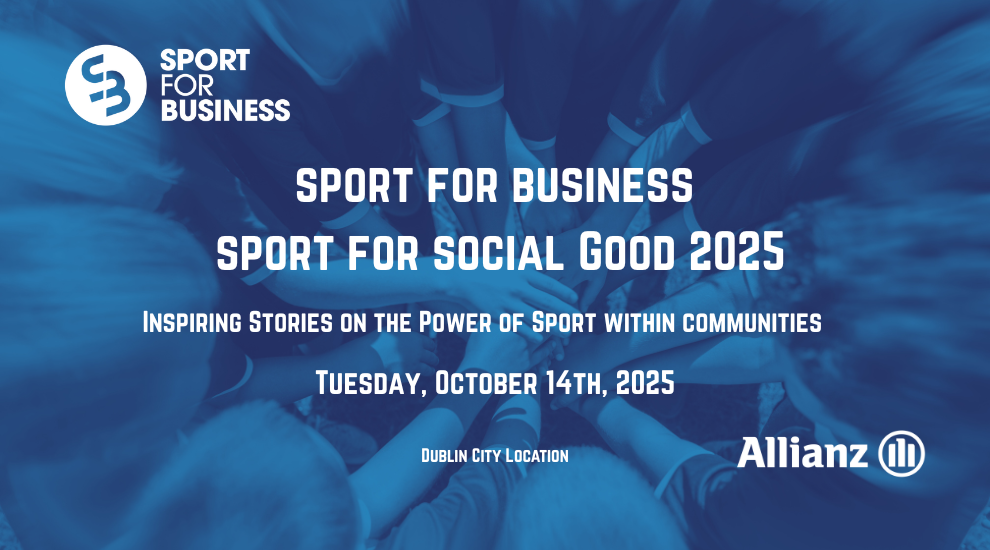
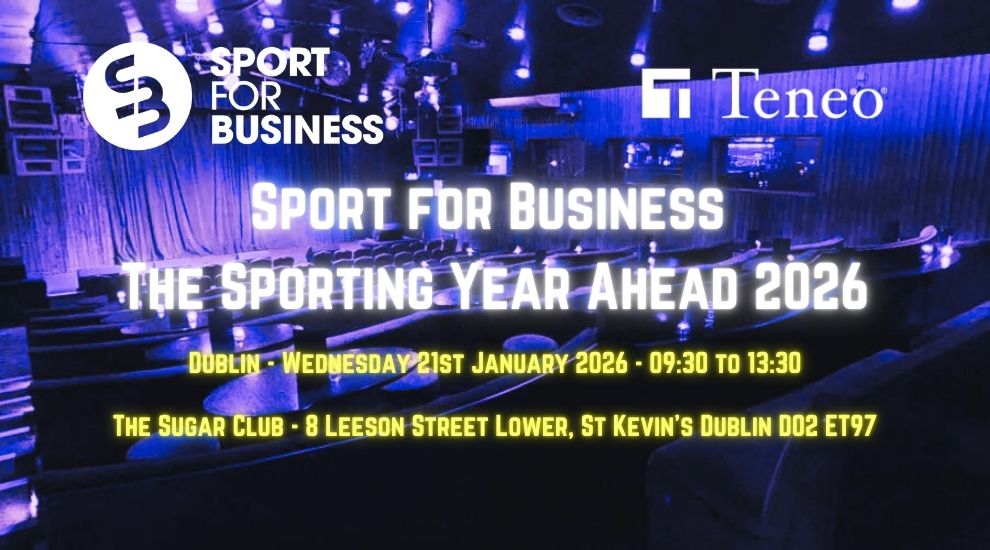
SPORT FOR BUSINESS Upcoming Events

SPORT FOR BUSINESS
Sport for Business is Ireland’s leading platform focused on the commercial, strategic and societal impact of sport. It connects decision-makers across governing bodies, clubs, brands, agencies and public institutions through high-quality journalism, events and insight. Sport for Business explores how sport drives economic value, participation, inclusion and national identity, while holding organisations to account on governance and sustainability.
Through analysis, storytelling and convening the sector, it helps leaders understand trends, share best practice and make better-informed decisions. Its work positions sport not just as entertainment, but as a vital contributor to Ireland’s social and economic fabric.
Find out more about becoming a member today.
Or sign up for our twice-daily bulletins to get a flavour of the material we cover.
Sign up for our News Bulletins here.