The announcement yesterday that the Minister for Communications Alex White was to seek mandatory Free to Air listing of Ireland’s matches in the RBS 6 Nations smacks somewhat of political opportunism.
The same debate has been held in reviews carried out in 2006, 2010 and as recently as last year but the economic argument of the IRFU in particular have each time been accepted by consultants looking at the impact of such a move.
In a letter submitted to last year’s review, dated 15th August 2014, the IRFU, 6 Nations and European Professional Club Rugby commented that “listing these matches for live free to air coverage would bring few if any real benefits and that any such benefits were greatly outweighed by the substantial financial damage that such listing would cause to Irish Rugby.”
It explained the structure of the central nature of broadcast revenue distribution whereby the majority of the central pot around the 6 Nations was distributed equally and that as a result “The IRFU took out of the central pot far moire than the Irish broadcasting market put in.”
Listing would require a recasting of those arrangements and the IRFU letter contends that “The consequences of this loss would be disastrous. “The financial black hole would destroy the IRFU’;s business model and necessitate huge cuts in spending at all levels of the game. Such cuts would put Irish Rugby at a marked competitive disadvantage, and would severely impact upon the performance of the Irish provinces and Irish national team. With Irish teams no longer able to compete at the top levels of the game, participation, support and interest would also likely dwindle. In short Irish rugby would be sent into a spiral of decline that would be difficult to reverse.”
Ireland has more free to air listed events than in the UK and these include more soccer internationals, the finals of the All Ireland football and hurling Championships, the Olympics, The Grand National and Derby in horse racing, the Dublin Horse Show and irish Rugby matches at the World Cup.
The Minister stated that he would also like to include the All Ireland Finals in Ladies Football and Camogie, both of which would make a positive statement about the importance in a societal context, as well as a sporting one, of Women’s sport.
When it comes to the 6 Nations though, compelling financial arguments weigh against the populist view that these are games we have a right to see.
Nobody would argue that we have a right to see the games live at the Aviva Stadium or Murrayfield. If you want to go, as many do, you fight for a ticket, pay your money and enjoy the experience.
This is the same model on which we buy food, make mobile phone calls and live in our houses. We determine an amount of money and value that we have on a particular activity and spend it as we see fit.
Why is sport seen as somehow different?
Of course there are many pluses to having such great days as the concluding round of matches in this seasons Championship seen by as many people as possible.
It elevates sport to a position that helps to bind and define us as a society.
RTÉ made the point very well in their submission to last year’s review, citing the massive lift in viewership that they deliver through Free to Air coverage. That cannot be disputed but the IRFU is one sixth of those that will negotiate rights to the 6 Nations.
The world of sports broadcasting has moved a long way from the days of single broadcasters and limited coverage. Now it is a commodity. That has what has built sport into the most powerful social force we have. It has created the chance for more people to play, at a higher level, and for more commercial partnerships to be framed around it.
Government funding is clearly part of that as well, though not nearly as much as would be justified by turning Health spending more towards prevention of illness rather than treatment.
If commercial sponsors were to decide that free to air coverage was a pre-requisite and that without it there would be no justification for involvement then the rules of the game might be different but there is no indication that that is the case.
And so while the fleeting demands of public opinion say we should have it all, the reality is that doing so would compromise the very success we want to be part of, and by the time the pieces have to be picked up, that spotlight of public and political opinion will have moved on.
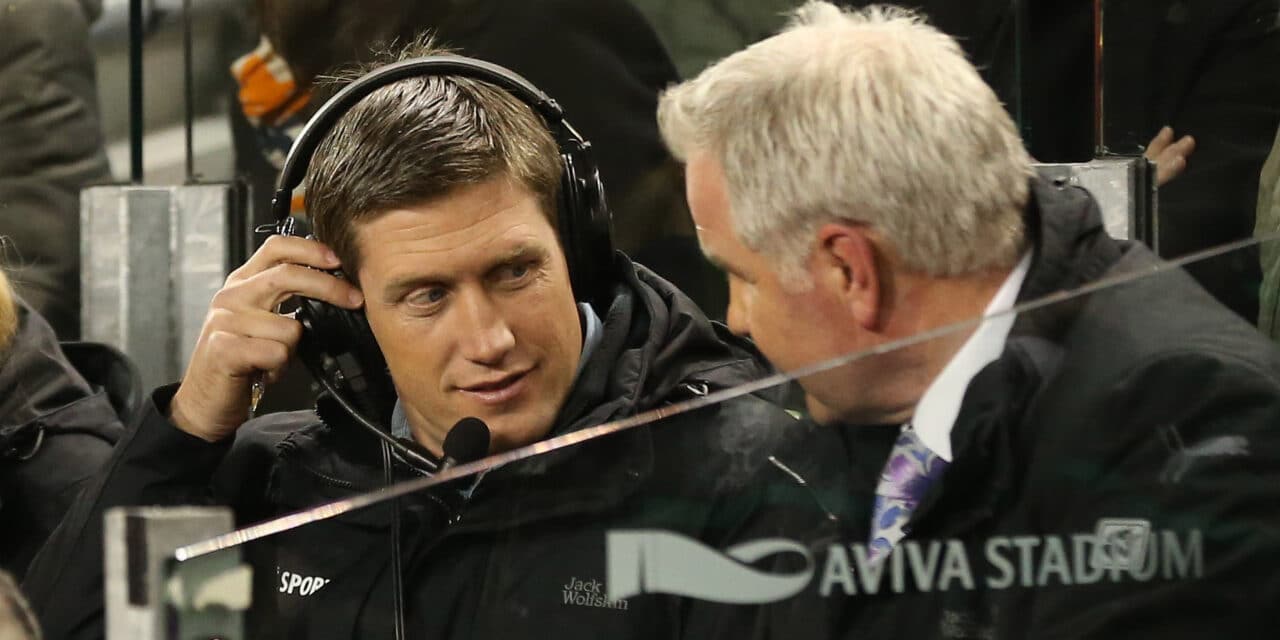
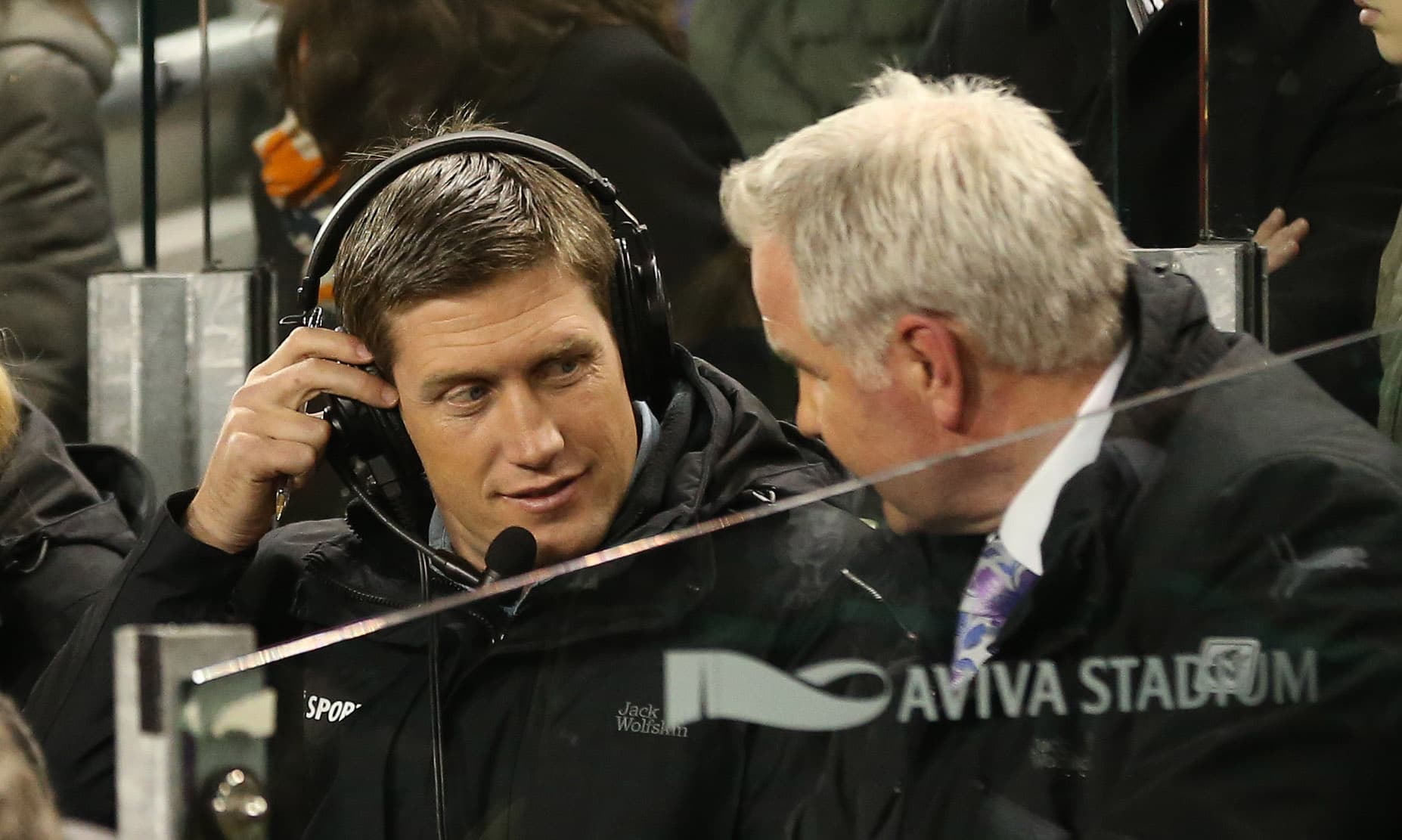
Image Credit: Inpho.ie