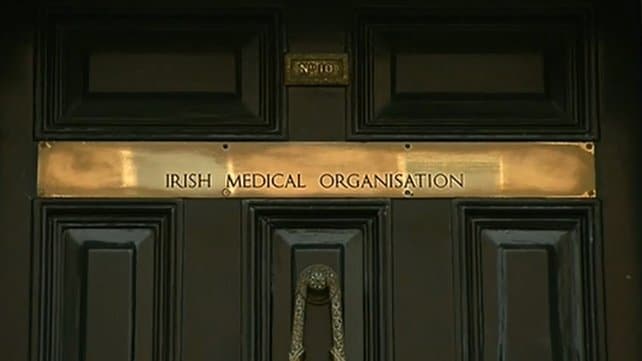
The Irish Medical Organisation has published a position paper on dependency and addiction which has repeated a call for an immediate ban on alcohol sponsorship of sport.
It is a restating of a task force report recommendation that was considered in detail by government but found not to be worth putting into the current Alcohol Bill going through the Oireachtas.
Sport for Business covered the report and the committee findings in detail over the past three years, in common with many others and at no point has the case for a ban been strong enough to offset the serious financial blow it would be to sport to ban all forms of alcohol promotion.
Listen back to Rob Hartnett of Sport for Business debate the issues with Matthew Sadlier of the IMO on Today FM.
That blow would not just be at the elite level. It would impact primarily on coaching and the provision of games and physical activity for young people.
Irish sport has been very aware of the concern over alcohol, through the governing bodies and the players associations. The GAA has shown that it is is possible to reduce the amount of sponsorship assets used by alcohol brands, while all major sports have been willing and active participants in codes of conduct to prevent irresponsible promotion.
Acting like responsible bodies is what you expect. Acting without the estimated €20 million that alcohol sponsorship delivers would be a hammer blow though to what sport delivers here. There is no mention of the IMO stepping forward to fill the gap.
There is also no evidence that it works. The UK has considered a ban and rejected it. In France the ban on alcohol promotion hit local events hardest, showed no change in alcohol consumption or dependency and was described as in reality little more than window dressing by the man responsible for alcohol awareness in that country.
The US once famously went the whole way with prohibition but that did not end well.
I was at an NBA game earlier this year where the promotion of alcoholic cocktail pitchers was far more obvious, with no responsibility factors at all, and to what is on average a much younger audience.
In fact the average age of an NBA fan is the youngest of all US sports with 45% being under 35. In Baseball and, perhaps surprisingly, College Football that number falls to 24 and 26% while golf is as low as 12% in that age group. In Britain the average age of fans going to the Premier League is 41. Guinness deliberately chose the Pro12 for its most recent sponsorship in sport in Ireland based on the older demographic of fans that research turned up.
Here is the rub for organisations like the IMO who have developed a fallback blind spot on the banning of alcohol promotion in sport.
They themselves indicate that 18-35 is the danger period for alcohol dependency but that age group are playing sport rather than watching it.
When they go to an event where alcohol promotion is more evident and arguably much less restricted it is to a music festival. Here the numbers really do hit the spot with the IMO target as 37% of festival goers in the UK in 2012 were under 25 and 60%, yes sixty percent were under 35.
So could someone explain why there is no mention of festivals in the IMO paper?
The IMO admits that the fall off of incidence of alcohol dependency beyond 35 is marked. Between 18 and 25 they say the incidence is 14.7% but between 35-49 when sport takes over from music as the dominant entertainment, that falls to 3.5%
We fully accept the damage that alcohol does to peoples lives. In an ideal world there are doubtless as many health benefits in banning all alcohol ads as there were in banning tobacco ones.
But to target sport and completely ignore every other form of marketing, including those where younger people are far more likely to be exposed is blind to common sense.
Banning sponsorship would reduce the number of young people playing sport and staying off or reducing alcohol as a result. It would jeopardise the kind of imaginative programmes being put out into real communities by sporting organisations helping to tackle physical and mental illness. In short it would damage the health of the nation.
Perhaps none of the experts involved like sport. Or perhaps they are just lacking the imagination to tackle issues that will alter our relationship with alcohol to a greater extent.