In order to know how to get somewhere, you first have to know where you are. It’s a truism in finding directions and equally so in determining our national engagement with and feelings toward sport.
At Sport for Business we know inherently that there is an incredibly strong connection between the emotional ties that sport wraps around us and the desire by brands to have that connection to heart as well as head when it comes to marketing and other areas of business life.
Inherently and empirically are different animals though and we are always very keen to see research into the appeal and the motivations behind our love as a nation with the glorious triviality of sport.
Today we bring you exactly that kind of research with the publication of the 2017 Philip Lee Sport Report.
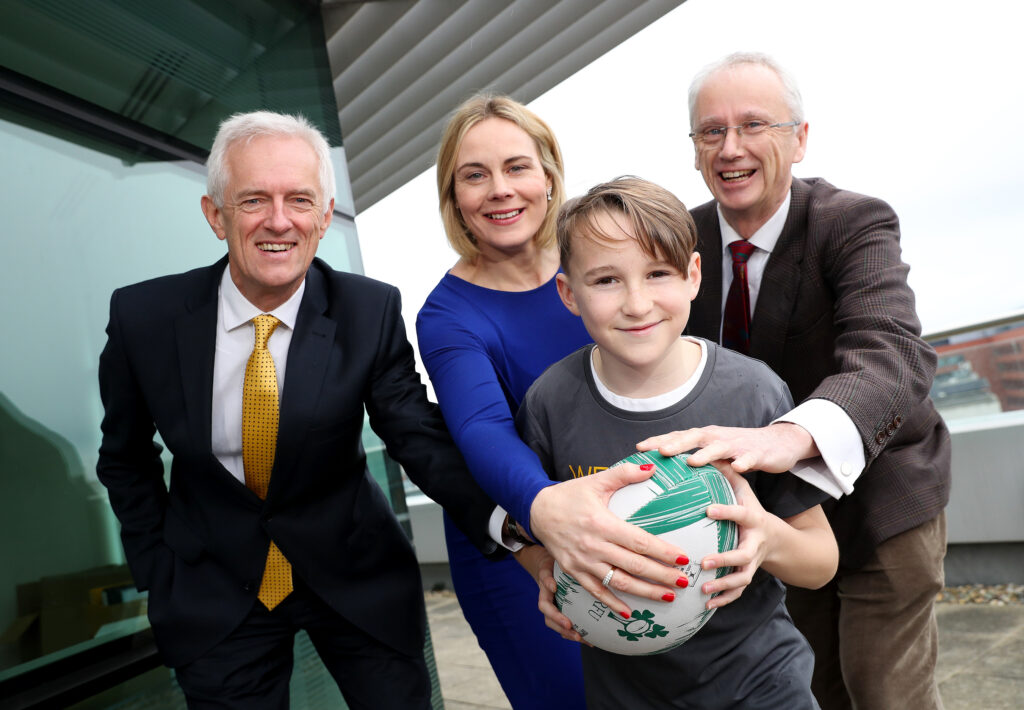
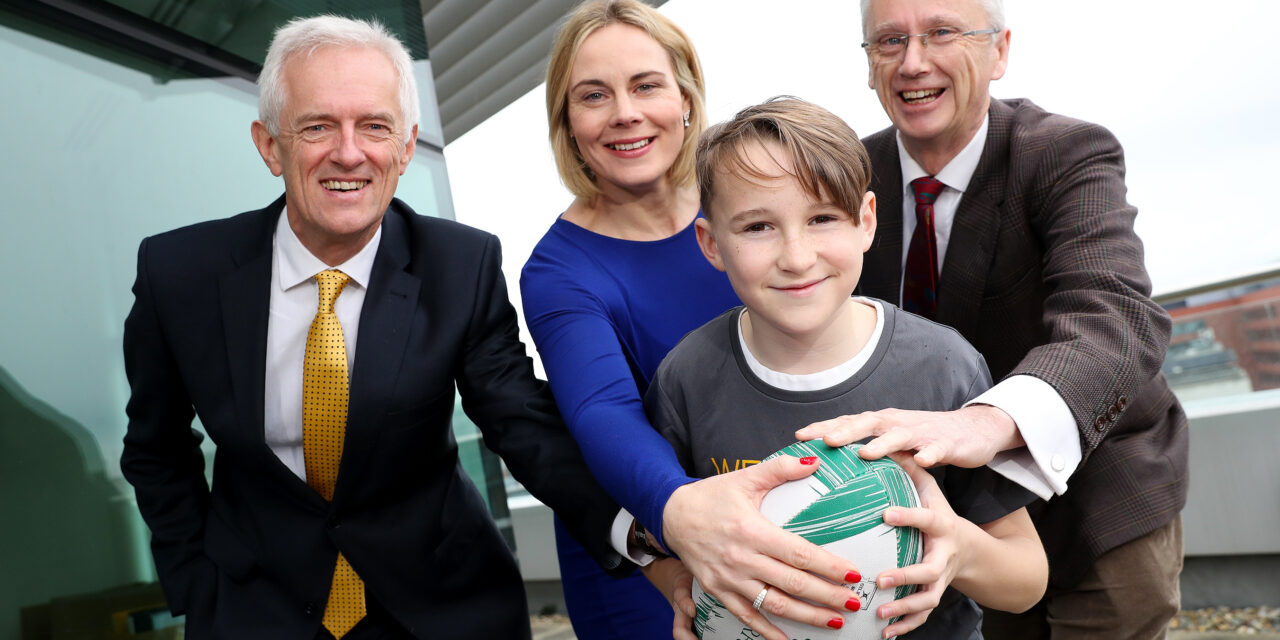
“Since our first Philip Lee Sport Report in 2014 and following a steady return to growth in the economy, recovery in consumer spending and the emergence of a more diverse media landscape, sport is now more accessible to viewers and fans than ever before,” said Philip Lee of the solicitors that bear his name.
“But it’s not just about entertainment. Sport is a big business worth billions to the Exchequer annually, playing its part in the creation of jobs and revenue for the economy.”
“Our latest survey reflects the stark reality that while we’re spending more money with the sport business (€2.5 billion in 2016 vs €2.4 billion in 2014), as citizens we’re spending less time on sports and activity.”
“That clearly presents challenges for the future, particularly around Government policy and the promotion of sport in addition to physical well-being and the general health of the nation. In that context, it’s interesting to note the finding that an emphatic 86% of respondents believe that greater participation in sport by children when at school would help reduce the incidence of childhood obesity.”
The report looks at the levels of interest and participation in sport, examines sports-related commitment and spending, explores the changing landscape of sport sponsorship and advertising and looks at perceptions of how well the Government is doing with sport policy.
It is a comprehensive piece of work and we will look in greater detail at some of it’s findings in the coming weeks but for now here are some of the key findings.
• 2.7 million Irish adults are interested in sport and exercise while 2.6 million adults participate in sports or other physical activity in Ireland
• While the average active adult spends over two hours a week in physical activities such as walking etc. participation has fallen on average by 16 minutes since 2014. Men now spend more time than women on sport and exercise, while older people spend more time than younger people on activity
• As a nation, we’re spending over 20% less time watching live sport on TV compared to 2014. Meanwhile, the average sports fan now spends around €260 per annum on the various matches, heats and finals that attract them, a figure that’s down significantly from an average of €340 in 2014
• Walking (55%), fitness (28%) swimming (23%) and running (22%) are the most popular activities – largely unchanged since 2014 (See Editor’s Note 4 for further analysis)
• 44% those polled agreed with the sentiment that Sports Ireland (formally the Irish Sports Council) should reduce its support for the Olympic Council of Ireland considering the ticketing scandal.
• The average sports fan spends around €260 per annum on the various matches, heats and finals that attract them. Though this figure is down significantly from an average of €340 in 2014.
• The active Irish spend on sports gear has increased since 2014, to an average of €195 from €172: on top of their other sports commitments. This increase speaks to the growing trend of sportswear fashion. Women now outspend men when it comes to sports gear, a switch in the gender balance since 2014 (2016 average female €220 vs male spend of €171).
• On the 2023 Rugby World Cup, 68% agree or strongly agree with the Government decision to bid to host the event with 76% believing that hosting such a major sporting event will have a positive economic impact.
• An emphatic 86% of respondents believe that greater participation in sport by children when at school would help reduce the incidence of childhood obesity – video games and digital devices were blamed as major distractions to activity
• 68% believes that funding to sports in Ireland should be increased. 81% would like to see increased funding for sport used to encourage greater participation in sport generally throughout Ireland. By contrast only 15% felt that increased funding should go to improving elite level sport performance so Irish players and athletes can be more successful in international competitions.
• Regarding women in sport, it appears that male dominance is still a problem in this country. Nearly half of those surveyed (44%) have not watched any women’s sporting events in the past six months and three in four have not attended any female sporting events
• Asked how sport should be funded and supported, 64% believed that government funding was the way forward, 53% said sponsorship income while 42% identified revenues from specific taxes on gambling
• 50% feel that the GAA is becoming too professional for an amateur sport by introducing professional training regimes that lead to burn out and increased levels of injury
• MMA star Conor McGregor and rugby player Paul O’Connell tie for the title of Ireland’s favourite male sporting personality while boxer Katie Taylor is the outright favourite female sporting personality. 42% agree or strongly agree with the notion that MMA (Mixed Martial Arts) is a sport we can be proud of in Ireland due to the success of Conor McGregor
PHYSICAL ACTIVITY
Read more about the Sport Ireland Irish Sports Monitor
The good news is that some 2.6 million adults take part in some exercise (other than team sports) such as going to the gym, running, cycling etc. The majority do so two or more times per week (and there are surprisingly few significant differences by gender, age or income group). This is probably because activities such as walking, keeping fit and swimming are ‘age friendly’ in that they remain accessible to participation into old age.
The average active adult spends over two hours a week in physical activities such as walking etc. However, participation has fallen for nearly all groups since 2014. Men spend more time than women on sport and exercise, while older people spend more time than younger people in our survey.
As for what people are doing during this time, walking (55%), fitness (28%) swimming (23%) and running (22%) are the most popular activities, (remaining largely unchanged since 2014).
SPORT ON TV
Read about our Future of TV Sport Event from 2016
More than twice as many men (27%) watch sport on TV at least 4 or more times a week as women do (11%). Those aged 35-44 watch sport on TV the most, while 16-24’s watch it the least. Probably because they’re too busy participating in sport.
In terms of time spent watching live sport on TV during the week the amount of time (in minutes per week) is quite high for some groups, but has dropped for all groups since 2014, with the biggest drop observed in the 25-34 age group, changing from 84 minutes in 2014 to 43 minutes in 2016.
Men are considerably more likely than women to attend sporting events, while 35-44 year olds are more likely to attend than other age groups.
CHILDREN, OBESITY AND SPORT
Read about the National Physical Activity Plan
With concerns around childhood obesity and lack of activity, 59% of those interviewed believe that children today are either less or a lot less involved in exercise compared to when they were a child (versus 62% in 2014).
While 38% of those surveyed believed that schools were doing enough to encourage children’s interest in participating in sport, 32% disagreed with this sentiment. The distraction of video games and other digital devices such as smartphones were cited by the majority of those polled 82% as being most responsible for children being less involved in exercise these days – Television (64%) and being dropped to school in the morning (51%) were also identified in this regard.
WOMEN IN SPORT IN IRELAND
Read about the Most Influential Women in Irish Sport
Based on the report findings women’s sport in Ireland has a long way to go in terms of participation and support amongst the public. While 52% of those polled said that they are as interested now in women’s sport as they were a few years ago, 49% of respondents believe that female sporting events receive “a lot less” level of promotion as men’s events.
While 44% of respondents watched no women’s sporting events in the past six months, 24% said they had watched 1 or 2 events.
In terms of attendance at women’s sporting events in the past six months, 75% attended none while only 9% attended 1 or 2 events. 77% believe that female participation in sport will increase a lot or increase somewhat if there was more coverage of female sporting events.
PLAYER PAYMENT AND THE GAA
Read about the latest deal between the GAA and GPA
Pay remains a “hot button” topic. Currently the GAA does not pay its players for taking part in Gaelic games – a policy disagreed or strongly disagreed with by 42% of respondents. And in a sign of possible changes to come, 66% replied they either agree or strongly agree that, going into the future, that the GAA should offer some sort of compensation for players (this compares with 73% in 2014).
MONEY AND SPORTS MEMBERSHIPS
Sport is big business in Ireland; but it’s also a big consumer spending category as well. In other words, beyond headlines about sponsorship deals, transfer fees etc., millions of fans, supporters and participants spend millions of euro to drive the economy of sport in Ireland.
Sports Club Membership: Irish people have been enthusiastic supporters of local sports clubs. Indeed, of the people who participate in sport and other activities, 3 in 10 (29%) are members of a sports club. Men are more likely to be club members than women (37% of all active men vs 20% of active women), while the youngest and oldest age groups are more likely than the middle aged to join sports clubs.
Not surprisingly, the GAA continues to dominate in terms of club membership levels, comprising 4 in 10 (39%) of all those in sports clubs. As the chart shows, soccer is a distant second in the rankings (24%), followed by golf (19%) and rugby (13%). The average annual cost – across all sports – is around €380 per annum (up from €330 in 2014).
Gender Difference: Men are more likely to be club members than women (37% of all active men vs 20% of active women) while Gym members tend to be slightly more female than male, and predominantly under the age of 35.
Sport Spending: The average sports fan spends around €260 per annum on the various matches, heats and finals that attract them. Though this figure is down significantly from an average of €340 in 2014. The active Irish spend on sports gear has increased since 2014, to an average of €195 from €172: on top of their other sports commitments.
This increase speaks to the growing trend of sportswear fashion. Women now outspend men when it comes to sports gear, a switch in the gender balance since 2014 (2016 average female €220 vs male spend of €171). This is an interesting question of cause and effect. Do we spend more on sports clothing because we are doing more sport, or does the fashionable nature of sports clothing help us become more involved in sport? In the end, perhaps it doesn’t matter so long as the net outcome is increased participation in sport.
GOVERNMENT POLICY & SPORT
Read our submissions to the National Policy on Sport Consultation
45% disagree or strongly disagree with the idea that the government is doing enough in Ireland to promote sport in Ireland? Meanwhile 68% believes that funding to sports in Ireland should be increased. 81% would like to see increased funding for sport used to encourage greater participation in sport generally throughout Ireland. By contrast only 15% felt that increased funding should go to improving elite level sport performance so Irish players and athletes can be more successful in international competitions.
On the 2023 Rugby World Cup, 68% agree or strongly agree with the Government decision to bid to host the event with 45% believing that hosting such a major sporting event will have a very positive economic impact. Tourism / Hospitality, Revenue and international attention / promotion of Ireland were cited as the top 3 main positive effects of hosting the event.
SPORTS SPONSORSHIP AND ADVERTISING
Read our review of The Sport for Business Sporting Year Ahead in 2017
The report highlights some of the challenges facing ‘first time’ sponsors in a sport that may have a long legacy of previous associations – adding to the barriers sponsors must overcome in terms of association, brand saliency and emotional connection to secure the return on investment they require. Unprompted brand recall is an important barometer for the impact a sponsorship is making on consumer consciousness.
Rugby – Heineken, with a score of 25% has the highest level of unprompted recall among rugby sponsors followed by Guinness (14%), Three (13%), Vodafone (8%) and Bank of Ireland (8%).
Soccer – As Ireland’s favourite sport, Soccer (with nearly 4 in 10 adults interested in the game) is an even bigger sponsorship challenge for brands where fans range from supporters of teams outside Ireland to local clubs and school team. Within that complex hierarchy, the Top 5 brands associated with Soccer were Three (14%), Barclays (9%), Adidas (7%) with Nike, Aviva, Heineken and Carlsberg tied at 5% each.
Gaelic football – With nearly 3 in 10 adults in the country interested in Gaelic Football, who are the leading brands associated with the sporting code? According to the new Philip Lee Sport Report the Top 5 unprompted brands are O’Neill’s (14%), SuperValu (12%), AIG (10%), Guinness (9%) and AIB (8%),
Hurling – With one in four adults interested in the sport, those polled in the survey identified two of the current sponsors Centra and Etihad, taking those brands into the Top Five responses. The results were Guinness 15%, O’Neill’s 10%, Centra 9%, Etihad 7%, SuperValu & AIB, 6% each.
The second Philip Lee Sport Report was Conducted by research firm Amárach in October 2016 and provides a comprehensive snapshot of sport in Ireland.