
 Sport is normally associated with youth and energy but one of the challenges in terms of policy is to ensure its benefits are truly felt for all.
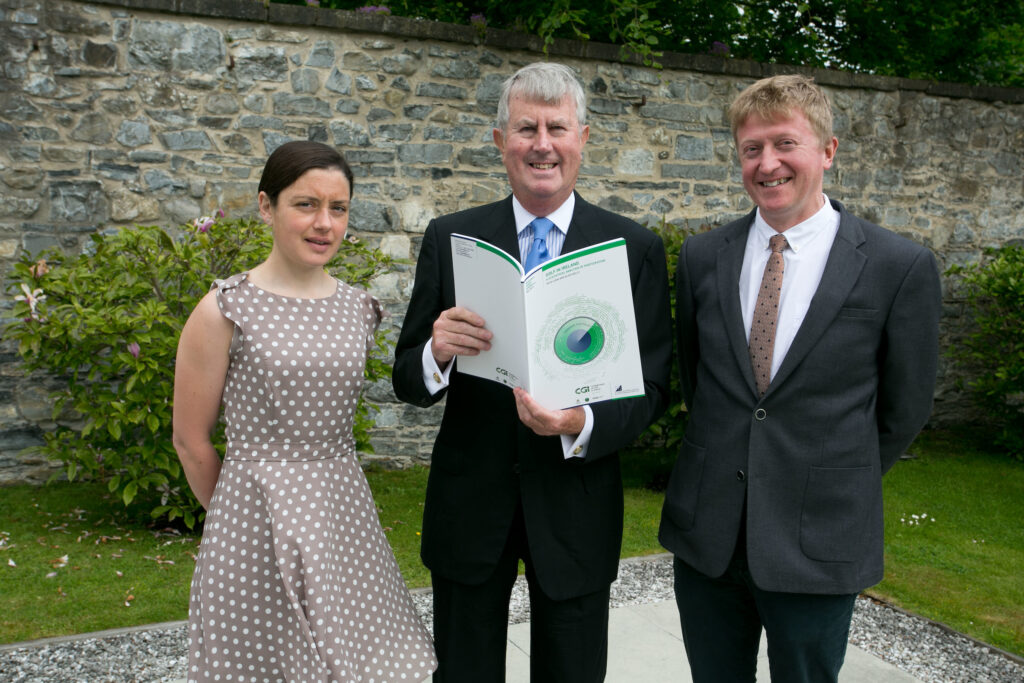
A report, commissioned by the Confederation of Golf in Ireland (CGI) and undertaken by Dr. Pete Lunn and Dr. Elish Kelly of the Economic and Social Research Institute (ESRI), published yesterday provides new evidence relating to the level of participation in golf in Ireland and the factors that underpin it. It should form a significant resource for that concept of sport among an ageing population as that is seemingly where golf is heading.
The analysis assesses patterns of participation in golf over time, as well as exploring people’s motivation and patterns of playing. The report examines both active participation in golf through physically playing the game, and social participation in the form of club membership and attendance at events.
The highest participation rates among players are for those in their 60s and 70s. Increasing numbers of older people in Ireland play golf, and that is compensating for a falling off of players in younger age groups.
This is a pattern replicated internationally and is attributed to changing patterns of work and family life.
The benefits of playing as an older person are clearly laid out in the research with evidence pointing to the most important benefit of all that golfers live longer. They are also physically stronger, have better balance and a deeper social life.
The trend of participation by age is almost a mirror image of what you would expect in more vigorous sporting pursuits.
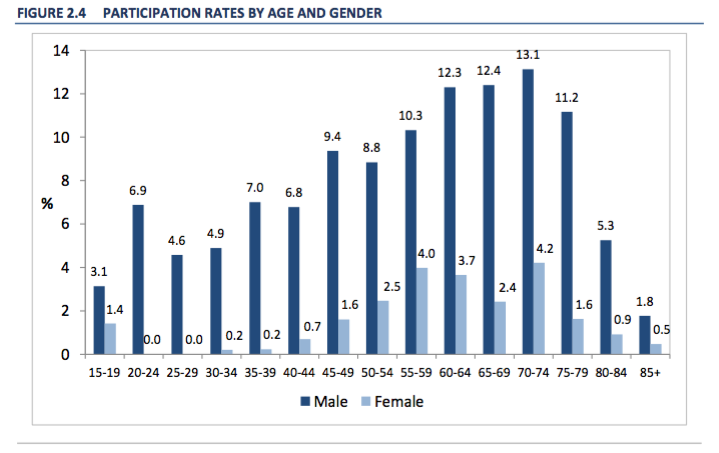
As a positive the report notes that demographic trends imply increasing numbers of middle-aged and older adults in Ireland over coming decades, which will help to maintain high participation in golf.
Another key finding is a stronger increase in participation among women than men. One of the policy areas the reports authors feel might be pursued as a result of this and other findings is that
“To be appealing to modern two-earner couples with children, golf clubs might do well to ensure that the club is not a place to escape the family, but a place that welcomes the family. Certainly, one lesson contained in the current data is that golf is unlikely to thrive if it allows male domination of the sport to make golf less appealing to women.”
The study discusses the policy implications of the findings, including how golf clubs might market themselves more to families and younger adults who are aiming to fit physical activities around work and family commitments.
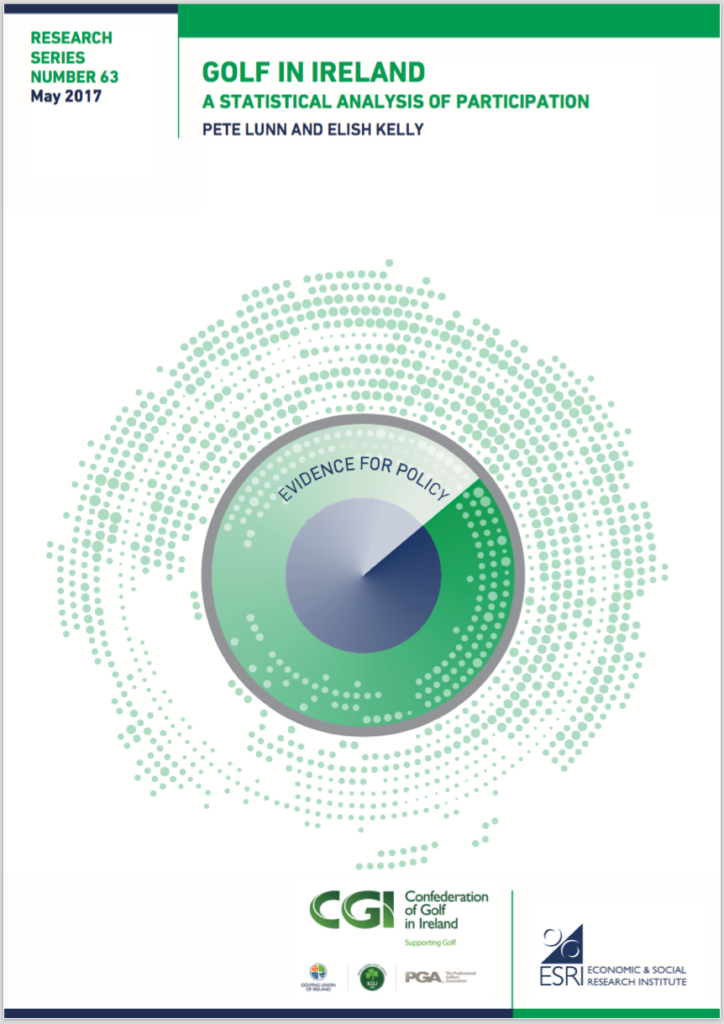
Download a full copy of the 73 page report here
“Golf is unusual among sporting activities in its appeal to older people and link to lifelong health benefits,”” said Dr Pete Lunn.
“But participation is declining and the challenge for those who promote the game is to finds ways to engage the modern generation of younger adults and their families.”
“It is very positive that golf continues to be so popular among the older generations in Ireland, however it is also important for the future development and growth of the game that golf is an attractive and popular activity for younger generations,” said Redmond O’Donoghue, Chairman of the CGI.
“We are continuing to see signs of growth and retention of younger members through initiatives such as the CGI Get into Golf programmes and Golf4Girls4Life and we must continue to ensure golf is an appealing game for all ages.”
There is always a temptation if research comes back to highlight problems rather than opportunities that it should be buried away.
Fair play then to the Confederation of Golf in Ireland for meeting the challenges presented in this report head on. That is after all, the only way to change the future in a positive way.