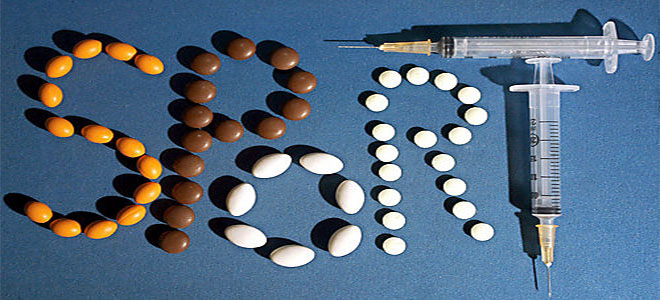
The world of anti doping and the testing to deter athletes and sporting stars from cheating is as complex as it gets in sport.
Fair play to Sport Ireland then for a background briefing they conducted in Dublin yesterday evening with a select group of journalists to explain the processes and the time that goes into the testing process and most importantly what happens next after a positive test.
The costs of the testing programme ran to €1.75 million during 2016, the same amount as was granted to individual athletes as part of the international carding scheme and the full cost is met from within Sport Ireland.
The importance of a robust system as a deterrent and as a statement that Irish sport will be fair makes that price worth paying. Hearing about the fine detail of how the system works would make your head spin in terms of the different stages that need to be gone through and the principal of giving accused a chance to explain the circumstances of why a positive test might have been recorded.
Related: Sport Ireland Survey Puts Athletes Perceptions on Doping in Spotlight
Dr Una May who heads up the Anti Doping programme here in Ireland walked us through the timetable of what happens, why and, as much as is possible in any individual case, when.
Legal expert Gary Rice who has been involved in Irish sports law for almost 20 years gave the judicial reasoning behind the process and explained the difference between banned specified substances, non specified substances and the different sanctions that will apply to the various breaches, of which there are ten in total.
Yesterday was not about individual cases. Attempts to get any information around ongoing cases were politely but firmly pushed away. Mick O’Keeffe from Teneo PSG served as referee in handling the questions
In many ways though it was more important than as a news exercise.
It gave the media who so often determine through their reporting how the twists and turns of cases are perceived, and how trust in sport is either maintained or damaged among the general public, the chance to understand the system and why it sometimes seems slower than ideal.
Deeper understanding is always a good thing. Better still when that comes in advance of a story as opposed to in the firestorm that generally ensues when an athlete becomes the centre of an allegation.