 The Premier League returned to action at the weekend with thousands of Irish fans travelling by air and sea to watch what the Financial Times described as the ‘bankers’ of the sports marketing world claim back the public sporting consciousness across Britain, Ireland and Europe.
Man united are not playing until this evening but last year’s Champions Man City secured the headlines again, having to come from behind against newly promoted Southampton in a game that had as many goals as the Hurling semi final between Kilkenny and Tipperary but which was a lot less one sided than expected.
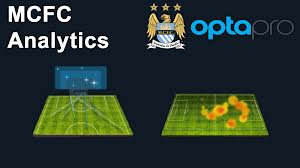
Perhaps one of the most evolutionary elements of the new season also took place at the Etihad Stadium as City chose to throw open the window on their approach to analytics. This is an area that is playing an increasingly important role in every level of sport.
Measurement and behavioural analysis have transferred from the board room and the trading room of major funds to the coaches’ dugout but up until now much of the most detailed information has been closely guarded by clubs that pay significant sums to companies like Opta.
Analysis of individual performances; how team units behave to optimum effect in different situations; and how others might do things better is being used to improve small areas of a team and can make a very important difference.
What City are doing, through a dedicated website at www.mcfc.co.uk/mcfcanalytics is opening up a mass of data to amateur analysts, hobbyists and statisticians in the belief that greater access will enable greater insight.
The model has been successful in US sport where the analytics work of the Oakland A’s baseball team was recently dramatised in the film Moneyball.
The coaching of sport at every level has tended to rely on instinct, tradition and perceived ‘leadership’ qualities among managers. All are important but the role of analysis is now key, as is evidenced by the numbers of statistical apps in use on sidelines from juvenile GAA to international rugby and all points between.
An example of how the data can be turned to positive impact lies in Man City’s tactics on corner kicks. Manager Roberto Mancini had always favoured ‘outswinging’ corners but after a period of less success in this one area, the club analysts brought forward data from across a number of major leagues which showed in objective form, the better results that can be obtained from switching to an ‘inswinging’ delivery.
The team applied this knowledge last season and scored 15 goals from corner kicks, more than any other team in the top flight.
On the wall of the Man City training ground is a famous quote from Mohammed Ali. “The fight is won or lost far away from the witnesses; beyond the lines, in the gym, out on the road; long before the dance under those lights.”
The work of the analytics team, as well now after this move, as of a host of amateurs with a passion for numbers and a love of sport, will help to enhance the relevance of that quote in a new century.
It will also give rise to new insight for coaches at every level, and to programmers who can present data in digestible form for those who may yet need to be convinced of the importance of analysis.
Performance analysis technology will form part of the discussion around technology and sport at the Sport for Business members Round Table on September 6th.
View all the latest news on the commercial side of Irish sport
Find out more about how Sport for Business can be of benefit to you
Subscribe today for the free Sport for Business daily news digest
Unleashing the power of analysis