In this final of our three part series looking at some of the key issues for the commercial world of Irish sport in 2013, we ask whether the Airtricity League can reach out to a new audience; at the defining year it could be for cycling and at how Ireland can influence EU policy on sport during its Presidency of the Union.
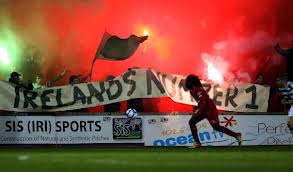
7. Can Sligo bring a ‘bit o’ inspiration’ to domestic soccer?
2012 saw the demise of Monaghan United but the resurgence of Sligo Rovers, followed in the Airtricity League by Drogheda and St Pats at least provided a fresh look to the business end of the table.
Shamrock Rovers have been good for the game with their ambition and European adventures but new faces always add to the excitement and it is to be hoped that Sligo can overcome the loss of Mark Quigley in particular to mount a serious go at retaining the title and having a European odyssey of their own this year.
The confirmation of Airtricity extending their sponsorship gives hope for stability and as the English Premier League becomes ever more predictable, perhaps this year will be one in which the clubs and the League can reach out to new audiences.
The arrival of Poland for a friendly in the first months of the year should be used to encourage greater involvement in the domestic game by the large Polish communities around the country.
 8. Can the sport of Cycling tap the vein of participation?
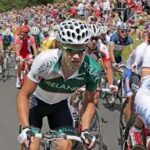
Cycling was a big winner at the Olympics and Paralympics. Martyn Irvine and Catherine Walsh showed that there is a strength in depth to Irish cycling that could even be a match for our boxers.
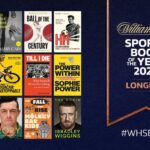
Nicholas Roche and Dan Martin amongst others will be prominent again in the major international events and the popularity of British stars like the newly knighted Sir Bradley Wiggins and Laura Trott make the professional game more accessible to the tens if not hundreds of thousands of cyclists that have taken anew to the cycle paths, parks, roads and mountains in the new year.
The shadow of Lance Armstrong has lifted from the sport but Irishman Pat McQuaid will still have a long fight to maintain his role at the head of the sport’s international governing body, just as Irish writers like Paul Kimmage and David Walsh seek to hold him to account for how the sport came to be so bedevilled by doping.
It is always a sport that has had so much potential. If it can now be seen continually as proven to be clean, perhaps it can fulfil that promise, with the benefit it would bring to so many in terms of fitness as well as at the elite level.
 9. What can Ireland do to strengthen EU policy on sport?
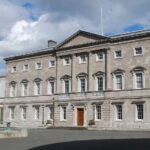
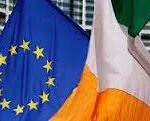
Ireland is one of the few European countries that gives sport a political voice at the cabinet table. It has a long sporting history and is defined more than most by the actions of its sporting ambassadors.
Who better then to use a term as president of the European Union to forge ahead with plans to coordinate a more consistent EU policy towards sport at all levels?
The EU Plan for Sport is focused on six areas of anti-doping, governance, education and training, health and participation, sport statistics and sustainable financing. The last of these will be the subject of a Sports Council supported EU Conference as part of the presidency and other groups including SARI are pressing to extend the scope of meetings due to take place around that.
Europe dominates so many areas of life in 2013. Sport can benefit from inclusion at its top table.
Take a look back at our forecast of the issues facing horse racing, women’s sport and all sports through mobile; and at the key issues facing the GAA, Rugby and Paralympic Sport.