There is something powerful about watching a team walk out into a stadium that finally reflects the scale of its ambition.
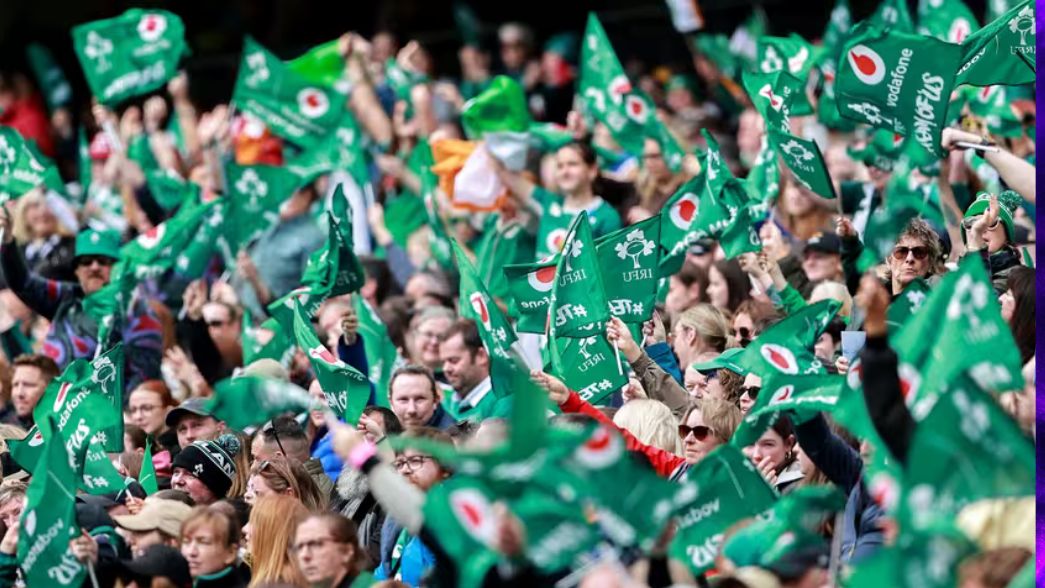
For Ireland’s women’s rugby team, returning to the Aviva Stadium to face England on May 8 next year is another step towards making the country’s biggest stages a familiar part of their sporting lives.
The 31,294 who watched Ireland beat Scotland there in May demonstrated what is possible. The challenge now is to build on that occasion, giving those supporters a reason to return and others a reason to join them.
The Republic of Ireland Women’s National Team has a similar opportunity in Cork next week, with the World Cup play-off against Kazakhstan at SuperValu Páirc Uí Chaoimh on October 13.
The 18,399 who attended the victory over France in 2024 showed the potential for a strong connection between this team and a regional audience.
But if either of those games featured the Men’s teams, there would be no second thought about whether they would sell out completely.
So why then should certain sections of the sporting public feel that supporting Women’s international teams is a lesser experience, and perhaps something that women and girls themselves should be responsible for?
Jill Downey of Core Sponsorship, a leading light at DLR Waves in a volunteer capacity, made a well-timed intervention on LinkedIn, challenging this suggestion that the problem with women’s sport is women not watching it.
Her argument is that men’s sport built its audiences through decades of investment, promotion, scheduling and storytelling. Women’s sport needs that same commitment, with an audience that includes men and women, boys and girls.
“Women’s sport is sport. Its audience is men and women,” she wrote.
It came in response to a discussion at a recent advertising industry event, but we wopn’t get caught up about who said it, just that it was said.
Women do not carry sole responsibility for filling the stands at women’s fixtures, any more than men alone are responsible for the crowds at men’s sport.
Broadcasters, rights holders and sponsors all have a role in making a contest familiar, relevant and compelling.
Downey also warned against responding to an audience that is still developing by reducing investment. I agree. A disappointing crowd should trigger a better understanding of what influences attendance and a stronger plan for the next occasion.
We have enough evidence now to know that growth in attendance at women’s sport is possible. We also have enough evidence to know that it is fragile.
Ladies football provides the clearest illustration. The All-Ireland Finals Day crowd reached 56,114 in 2019, an achievement to be proud of, as a staging post towards a full Croke Park, built over years.
Last year, 48,089 attended. This summer, the figure was 26,471, down almost 45 per cent in twelve months.
That deserves honest examination. It would be complacent to wave it away as a quirk of the finalists or the calendar. It would be equally foolish to interpret it as a verdict on the appeal of the sport.
The audience has already shown that it exists. The question is why so many people who previously chose to attend did not make that choice this year.
Camogie offers an encouraging comparison. Its finals attracted a record 33,419 this August, surpassing the previous best of 30,191 in 2023. This reminds us that different sports can move in different directions, even within the same summer and the same stadium.
“Women’s sport” is a useful collective term when discussing opportunity and equality. It is less useful if it leads us to assume that every competition has the same audience, obstacles or route to growth.
A rugby international, a football play-off and a Gaelic games finals day each need their own plan to attract supporters. Each also needs sustained work between its biggest occasions.
For sponsors, that means treating attendance as something they can help build. Organising transport, making group bookings easier, involving staff and customers, and supporting promotion well before match week can all add practical value to a partnership.
For governing bodies, it means knowing more about the people who buy tickets. With their permission, stay in touch. Find out what brought them, what made the day enjoyable and what might stop them from coming again. Make the next invitation timely and uncomplicated.
For media, it means building familiarity before the final. Supporters are more likely to care about a contest when they know the players, understand the rivalry and have followed the season that brought them there. Our Women’s teams and performers have shown themselves to be open and very engaging when it comes to storytelling.
And for the rest of us, it means following through on the support we express. People have real demands on their time and money. Nobody can attend everything. But if we want women’s sport to grow, choosing a fixture and bringing someone along is a useful place to start.
The Aviva next May and Cork this month offer two more opportunities to strengthen that foundation. Camogie’s summer shows what we can achieve. The LGFA’s fluctuation shows why we cannot take it for granted.
We have seen the crowds. Now the work is to make coming back part of their sporting lives.
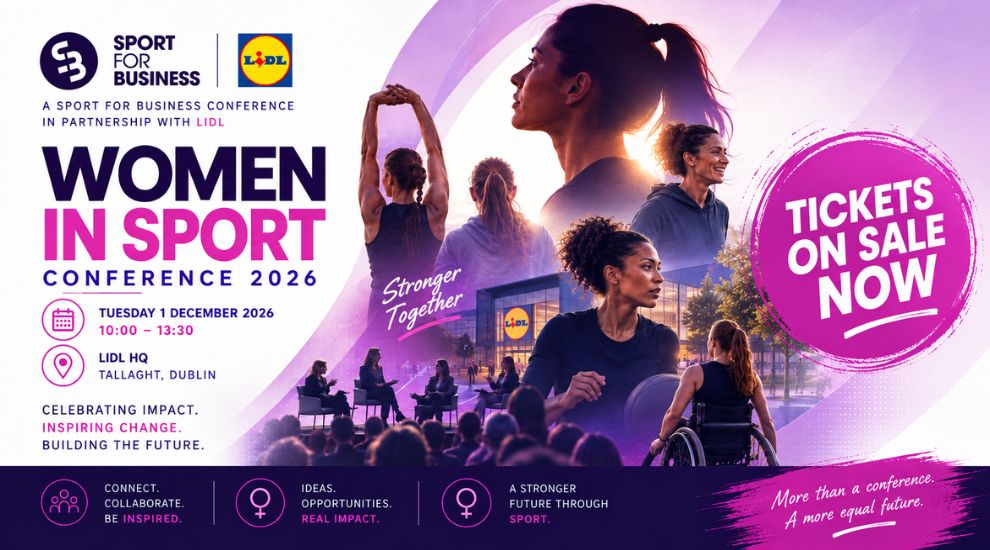
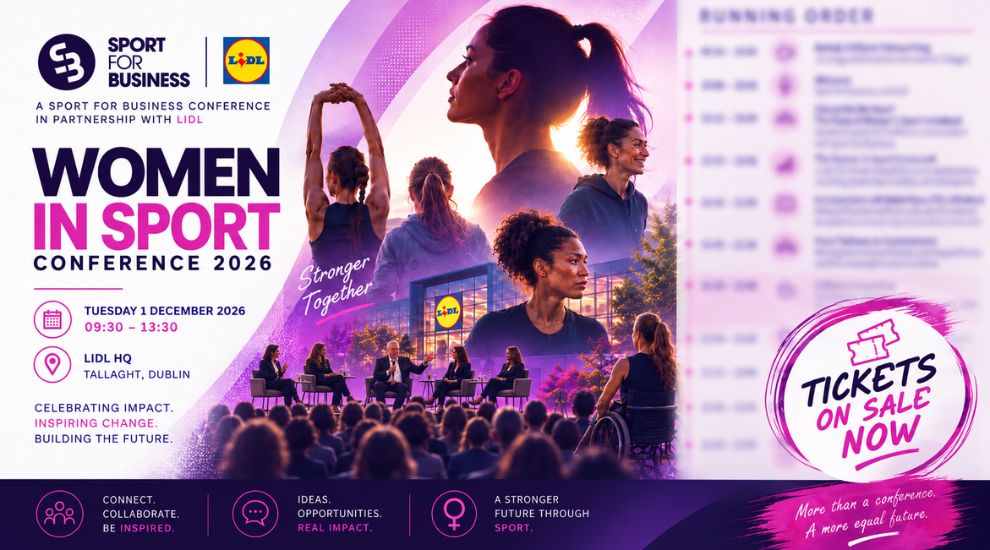
We’ll discuss this at our 12th Annual Women in Sport Conference, taking place at Lidl HQ on December 1st.
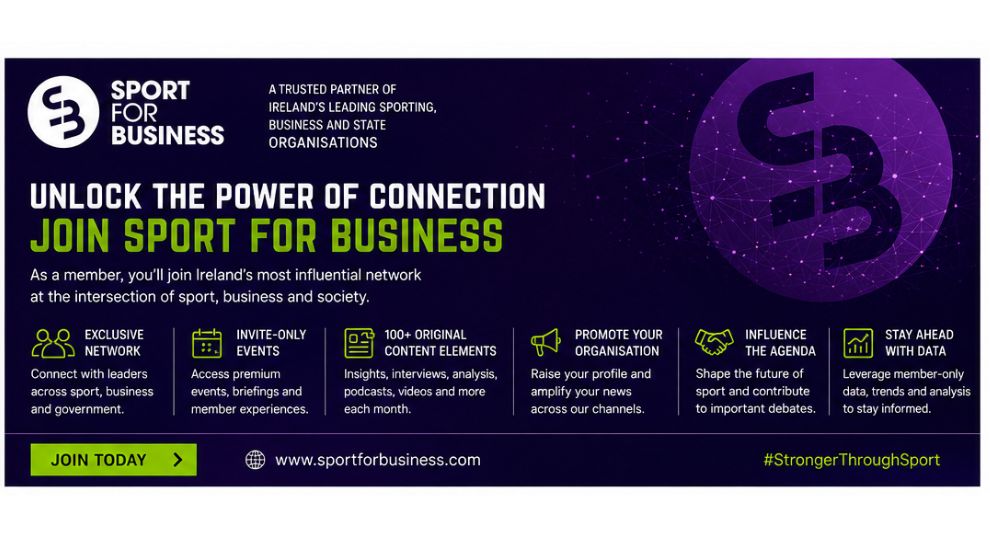
 Lidl Ireland, Sport Ireland, the FAI, the IRFU, the LGFA and the Camogie Association are among the many organisations that see the value of a Sport for Business membership. If you would like to join them and see your organisation in our content, on our stages, and in the conversation happening every day around the commercial world of Irish Sport, email us today and let’s see what is possible, or sign up straight away from the link below.
Image Credit: IRFU and Inpho.ie
ABOUT SPORT FOR BUSINESS
Sport for Business is Ireland’s leading platform focused on the commercial, strategic and societal impact of sport. It connects decision-makers across governing bodies, clubs, brands, agencies, and public institutions through high-quality content, events, and insights.
Sport for Business explores how sport drives economic value, participation, inclusion and national identity, and how your story can be part of ours.
Through analysis, storytelling and convening the sector, it helps leaders understand trends, share best practices, and make better-informed decisions. It positions sport not just as entertainment but as a vital contributor to Ireland’s social and economic fabric.
Find out more about becoming a member today.
Or sign up for our Daily Sport for Business Snapshot email bulletins to get a flavour of the material we cover.
Sign up for our News Bulletins here.