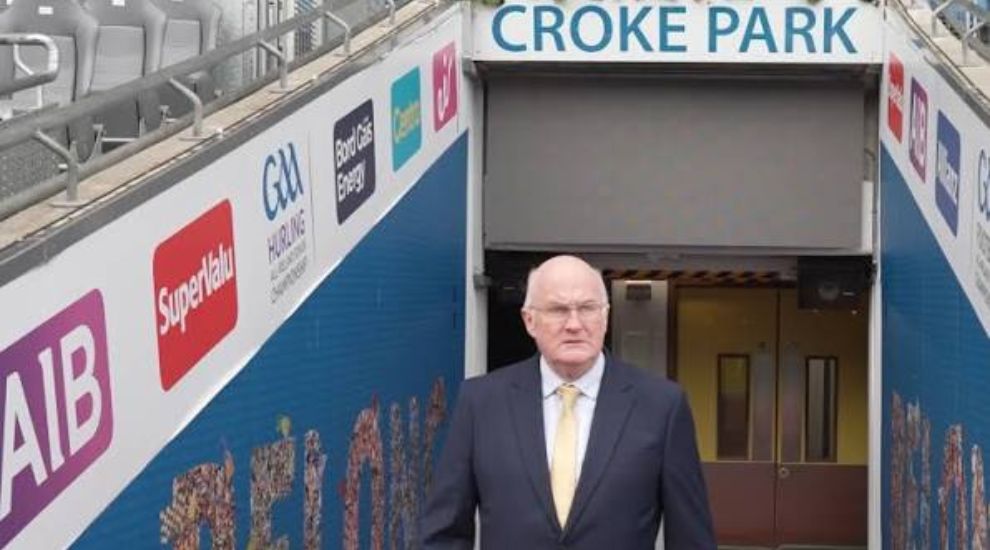
A proposed unified membership system, a pathway towards collective commercial operations and a new full-time role supporting the One Club model are among the developments outlined as Gaelic games integration moves into its next phase under John Horan.
The Steering Group on Integration met in Croke Park on 4 November for the first time under its new Chairperson, reaffirming the Camogie Association, GAA and Ladies Gaelic Football Association’s commitment to building towards One Association.
A Progress Report published alongside the meeting update provides greater detail on the work undertaken, spanning governance, facilities, finance, fixtures, sponsorship and the systems that support members and players.
It also shows where decisions remain to be made, with the proposed governance structure being refined following feedback from stakeholder roadshows and written submissions.
Subject to approval by the management committees or equivalent bodies of all three associations, that structure will be presented to County Chairpersons and Secretaries across the three codes through regional engagement sessions, before progressing to the respective Congresses for consideration and decision.
Project Team
Horan will lead a Project Team comprising the Ard-Stiúrthóirí of the three associations, supported by a strengthened project management function drawing on internal and external resources as required.
Its priority will be to turn the progress report into an operational programme with a clear vision and implementation milestones. A programme of work will be brought before the relevant Management Committee, Central Council and Congress meetings in the early months of 2027.
The report confirms that detailed financial modelling is complete, while discussions continue on a sustainable funding and resource allocation framework for the integrated association.
Work is also progressing on an organisational structure to support governance, operations and service delivery.
Within the branding and identity workstream, it has been proposed that the integrated association would be called the GAA, with the report acknowledging the need to recognise the heritage of all three associations while developing a shared identity.
Facilities, Fixtures and Membership
An audit of existing facilities infrastructure has been completed, although the policy governing access to facilities across all units remains to be confirmed.
Fixture planning processes and calendar structures have also been reviewed, with consideration being given to better coordination across the codes. Initial proposals have examined the potential role, responsibilities and governance arrangements of a Central Fixtures Oversight Committee.
For members, one of the most tangible areas of work is developing a streamlined “One Membership” process, including a single Player Injury Fund.
The membership workgroup has assessed existing systems and costs and explored options for a unified model. These remain proposals under development, but they indicate how integration could eventually change the administration experienced by players, families and club volunteers.
Recommendations have also been developed for a baseline cross-code intercounty player charter promoting consistency, equity and best practice, alongside cost analysis of a shared approach.
Code-specific playing rules will remain separate. Work on an integrated Official Guide, An Treoir Oifigiúil, awaits the final governance structure.
Commercial Cooperation
The sponsorship workgroup has proposed a pathway for the three associations’ commercial functions to operate collectively, aligned with the wider integration programme.
The report does not set out the details of future sponsorship arrangements, but identifies the ambition to maximise the potential of the integrated Gaelic games family.
Ticketing is another area where cooperation already exists, particularly around major events. The stated goal is to streamline operations into a single ticketing function, with the report suggesting that differences in current practices could be addressed through relatively small changes.
The Steering Group reviewed and mapped existing participation programmes, pathways, and games development initiatives across the associations. The Steering Group also developed an integrated referee pathway, which is ready to launch.
One Club Support
The Steering Group agreed in principle to establish a new full-time role to help clubs adopt the One Club model, support County and Provincial Integration Workgroups, and encourage joint initiatives.
That follows consultation and analysis on practical ways to strengthen the model across Gaelic games. All counties and provinces have been requested to establish integration committees with an agreed chairperson.
The group also committed to proactive communication and meaningful engagement, recognising the need to keep members and volunteers informed as proposals develop.
“There remains a strong and shared commitment across all three associations to continue progressing towards One Association,” said Horan.
“Significant work has already been completed, and there is a clear recognition of the opportunities that greater integration presents for our members, clubs and communities.
“My priority as Chairperson is to ensure that momentum is maintained, that stakeholders are engaged in a meaningful way, and that there is clarity around the next steps as we continue this important journey together.”
Sport for Business Perspective
The report gives a more concrete view of what integration could mean in practice, from membership administration and facilities access to fixture coordination and commercial planning.
Completing financial modelling is an important part of that preparation, though the funding and resource allocation framework remains under discussion. How resources are shared will help determine whether the eventual structure can deliver on its ambition across all three associations.
It will happen, though, and the talk of funding should not derail the rest of the process. If more resources go to the male side of the game, we should assess whether that level is right before judging whether the female comparison is too low.
Collective sponsorship and ticketing operations could open opportunities for coordinated planning and a clearer offering to commercial partners. The report provides a direction of travel here, with the detail of how that would work still to emerge.
Much will depend on the experience at club level. Coming from a One Club where it just works without too much fuss, that should be a positive. If some clubs need help along the way, then having dedicated support for the One Club model should help volunteers work through practical questions.
The he next round of regional engagement should give county representatives an opportunity to examine the proposed governance arrangements.
The programme due in early 2027 will be the next opportunity to connect this substantial body of preparatory work with defined actions, responsibilities and milestones.

 The GAA, LGFA and Camogie Association are all full members of the Sport for Business Community. If you would like to join them and see your organisation in our content, on our stages, and in the daily conversation around the commercial world of Irish Sport, email us today and let’s see what is possible.
Image Credit: Sport for Business
ABOUT SPORT FOR BUSINESS
Sport for Business is Ireland’s leading platform focused on the commercial, strategic and societal impact of sport. It connects decision-makers across governing bodies, clubs, brands, agencies, and public institutions through high-quality content, events, and insights.
Sport for Business explores how sport drives economic value, participation, inclusion and national identity, and how your story can be part of ours.
Through analysis, storytelling and convening the sector, it helps leaders understand trends, share best practices, and make better-informed decisions. It positions sport not just as entertainment but as a vital contributor to Ireland’s social and economic fabric.
Find out more about becoming a member today.
Or sign up for our Daily Sport for Business Snapshot email bulletins to get a flavour of the material we cover.
Sign up for our News Bulletins here.