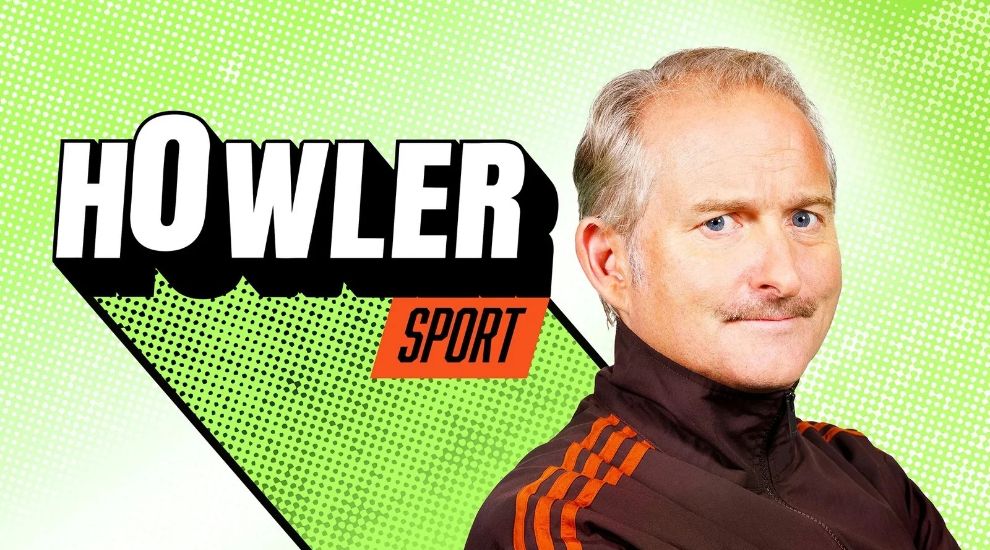
The reformation of an active trade union chapel within RTÉ Sport, and its immediate vote of no confidence in senior management, has added a new dimension to the controversy surrounding Ger Gilroy’s appointment to present the broadcaster’s Howler podcast.
With the trade union movement back at the centre of national attention through public-sector pay negotiations, journalists within RTÉ Sport have turned to collective representation to challenge management decisions on recruitment, resources and editorial priorities.
Members of the newly reformed National Union of Journalists Sports Chapel unanimously voted no confidence in RTÉ’s Senior Leadership Team at their first meeting on Wednesday.
The chapel is the NUJ’s workplace representative structure, and its re-establishment gives sports journalists a formal collective voice in discussions with management.
Its statement raised concerns extending beyond Gilroy’s appointment, including recruitment transparency, career progression, staff grading, programme resources and investment in technology.
Members also questioned the commercial priorities behind the new podcast and the representation of women’s voices in its early output.
The intervention follows a broader NUJ meeting involving RTÉ employees from several departments last Friday, suggesting that dissatisfaction is not confined to the sports division.
RTÉ has emphasised that the vote represents the position of the newly reformed chapel, not a national NUJ motion. Director-General Kevin Bakhurst is due to meet sports staff next week.
The Growing Value of Sports Conversation
The dispute comes as presenter-led sports podcasts have become an increasingly important part of Ireland’s media landscape.
Second Captains has established a successful subscription model through its World Service on Patreon, placing much of its regular output behind a paywall while maintaining a free offering.
The Irish Independent has invested in Indo Sport, with Joe Molloy providing the recognisable presenting voice supported by the publisher’s wider journalistic resources.
RTÉ’s Howler, fronted by Gilroy, represents another attempt to capture audiences who increasingly consume sports analysis and conversation on demand.
Gilroy brings more than two decades of experience developing Off The Ball. Recruiting a recognised broadcasting personality is commercially understandable.
Sports conversation offers opportunities for sponsorship, digital advertising, audience development, and cross-platform promotion without the substantial costs of acquiring live sporting rights.
The challenge is that RTÉ operates under different expectations from independent subscription businesses or privately owned publishers.
Its investment decisions must satisfy public-service obligations, demonstrate value for money and maintain confidence among the journalists already working within the organisation.
Oireachtas Scrutiny Adds to the Pressure
The union intervention follows RTÉ’s appearance before the Oireachtas Committee on Media last Wednesday, when questions about Gilroy’s recruitment occupied a considerable portion of a hearing intended to examine the broadcaster’s finances and reform programme.
Committee members questioned the appointment process, including whether Gilroy had applied through the original expressions-of-interest procedure.
RTÉ subsequently confirmed that 20 internal candidates had expressed interest during May, with Gilroy approached in June. Management maintains that he was assessed against the same weighted criteria as other candidates.
The hearing also became unusually focused on whether the presenter had received a wardrobe allowance and whether RTÉ had purchased a tracksuit top for a promotional photoshoot.
RTÉ confirmed that Gilroy had no personal clothing allowance, although one item had been purchased through the programme’s wardrobe budget.
The exchange illustrated how even relatively modest spending decisions can become politically contentious when confidence in an organisation’s governance remains fragile.
The subsequent union vote has now moved the controversy from parliamentary questioning into the broadcaster’s internal employment relationships.
Sport for Business Perspective
There are two important commercial dimensions to this dispute.
The first is the value of personality-led sports media. Second Captains, Indo Sport and Howler represent different business models competing for similar audiences, with distinctive presenters central to their appeal.
RTÉ has every reason to seek a position in that market, particularly as digital audio becomes an increasingly important part of sports consumption.
The second is the relationship between commercial ambition and organisational confidence.
At a time of heightened trade union activity nationally, this episode illustrates how recruitment and investment decisions can develop into wider industrial relations disputes.
This is not simply about whether Gilroy can deliver a successful podcast. His broadcasting credentials are well established.
It is now being framed as whether existing staff have a meaningful place in the broadcaster’s digital future.


 Sport Ireland, the FAI and the Department of Culture, Communications and Sport are full members of the Sport for Business Community. If you would like to join them and see your organisation in our content, on our stages, and in the daily conversation around the commercial world of Irish Sport, email us today and let’s see what is possible.
Image Credit: Oireachtas TV
ABOUT SPORT FOR BUSINESS
Sport for Business is Ireland’s leading platform focused on the commercial, strategic and societal impact of sport. It connects decision-makers across governing bodies, clubs, brands, agencies, and public institutions through high-quality content, events, and insights.
Sport for Business explores how sport drives economic value, participation, inclusion and national identity, and how your story can be part of ours.
Through analysis, storytelling and convening the sector, it helps leaders understand trends, share best practices, and make better-informed decisions. It positions sport not just as entertainment but as a vital contributor to Ireland’s social and economic fabric.
Find out more about becoming a member today.
Or sign up for our Daily Sport for Business Snapshot email bulletins to get a flavour of the material we cover.
Sign up for our News Bulletins here.