 The bottom line is that Irish rugby will double its income over the next five years as a result of the new European Rugby landscape.
The neatest trick is that it will do so without any major infrastructural change to the season, and in a way that will strengthen the soon to be rebranded RaboDirect Pro12 as well.
The alternative to the new structure looked at one point as if it could have seen the sport falling off a cliff with different factions heading off to play among themselves.
Thankfully sense, inevitably led by money, prevailed.
Are there any losers in the deal? Well that depends on your view of pay TV. The GAA have been unfairly hauled through every hedge in Ireland over their introducing 14 games on Sky Sports for the next three years.
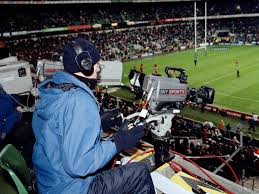
Rugby at provincial level here bit that bullet years ago and thrived as a result.
Its marriage to the subscription platform is an all in affair.
There may be highlights and scraps on RTE, TG4 or TV3, and there will of course be radio, but in the main every game you would want to see over the next eight years featuring Munster, Leinster, Ulster or Connacht in European action will require a shiny sports subscription package.
Pubs and clubs have done well out of a similar set up with the Heineken Cup and will continue to do so, meaning alcohol sponsorship will remain very important whether through Heineken, Guinness or who knows.
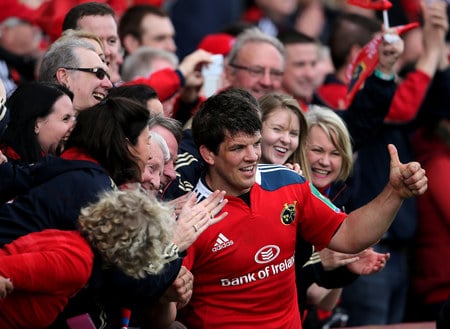
The biggest financial winners though will be the IRFU, at least in the short to medium term.
English and French clubs, backed by millionaire owners were the drivers of the golden new dawn for club rugby but in Ireland the Union retains control of the money in and the money out.
The provinces have delivered on the field, and brought in significant commercial revenue themselves but when it comes to the media and other collective rights, the Irish way has been to keep things central.
You cannot argue with the success of our provinces, or with the Championship exploits of the national team. The system has had its bumpy patches, over player contracts in particular, but by and large it has worked.
With the new money though will come new pressures. The French clubs have already doubled their TV income and will come knocking with ever larger contract offers.
The provinces and their managers will say that to compete at the highest level they need to employ the highest quality staff. In some cases that will mean players not qualified to play in the Green of Ireland, and therein lies an inherent conflict.
This summer international soccer will be all the rage with the World Cup holding the world in thrall. But in between the highs, the international game has fallen well below the clubs, in the eyes of partners, fans and players.
The English game has done spectacularly well but by attracting the world’s best talent at the expense of home grown talent.
International rugby will have its own glorious autumn in 2015 when the World Cup is played on pitches across England. It is hoped that Ireland will shine and tens of thousands of new Canterbury shirts are shifted onto the backs of boys, girls and those of us who might look better in a less figure hugging fit.
But after that, straight after that, when the new European Rugby Champions’ Cup ramps up for its second season, what will be the balance between Provinces and Union?
Many would argue that rugby is different to soccer, and that the national interest will always remain on top.
 It will be the fans though that determine whether that is imagined or real.
Munster will be playing in Thomond Park and at the rebuilt Musgrave Park in Cork. Ulster will have a new, fit for every purpose Ravenhill, and Leinster will likely be looking at tenders for a redevelopment of the RDS.
Their young fans will want Red, Blue or White instead of Green for the majority of matches they will attend. The young fans of Connacht will want their own shade as well and the pressure will increase to shift, at first slightly, the balance of revenue.
And will that be enough?
The corridors of power around the sport have been shaken through this often bitter negotiation.
The English Premiership Clubs won their new TV deal but it was not as big a victory as the French.
The Pro12 will shortly take flight with a brand new, high-flying sponsor that will invest significantly, as will Sky to boost that League in competition with their rivals at BT.
The tournament itself will be stronger because of the need to ensure qualification and the day may not be far away from a Pro12 turning into a Pro20 via a merger with the English clubs.
That may be the next seismic event, and while it won’t happen this year, or next, the horizon may already be drawing closer.
That change will be on the shoulders of the provinces again. Amid the smoke and mirrors of an Anglo-Welsh league at the end of last year, there was talk of one Irish province holding exploratory talks as well.
Rugby changed as it grew into the professional era. It continues to change with new money, bigger deals and more interest. In Ireland that is especially so.
It will be interesting to watch as the changes continue in the coming years, so long as the fans keep coming back for more, and the TV companies and sponsors see the sport as a great investment. It may just be a question of the proportion of their money that goes in differing directions.
This article was first published in the Irish Examiner, always great for Saturday sport, on April 12th, 2014
Rob Hartnett is the founder of Sport for Business, a membership organisation for those involved in the commercial world of Irish sport. Read more of his insight and analysis at www.sportsforbusiness2.ab6z.com every weekday morning.
Rugby’s Shifting Balance of Power