
The Relationship between Alcohol and Sport in Ireland
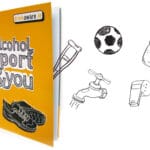 A group of twelve interested parties from sport, government, business and the media met this week in the first of a series of Sport for Business Round Table discussions.
The format is simple; to gather smart minds for a focused period of 90 minutes and look for creative solutions to issues that affect sport and business in Ireland. This first event covered the thorny subject of the relationship between alcohol and sport in Ireland.
The meetings are held under the Chatham House Rule in order that we encourage open discourse.
The following take away points from the discussion are a broad reflection of the views expressed;
• There is a clear difference of opinion on how much genuine engagement has taken place between those who hold the view that alcohol promotion should be severely curtailed and those who take the view that as a legal and accepted adult activity that it is entitled to market itself responsibly through sport.
• Concern was raised that the original working group on sports sponsorship had been subsumed into the National Substance Misuse Strategy Steering Group and that the tone of the debate had changed from one of regulation to one of prohibition, perhaps as early as 2016.
• The voluntary code agreed between the alcohol industry and the department of Health and Children was felt to work well, providing clear and adhered to guidelines on promotion. This went all the way from prohibition of broadcast sponsorship of sporting programmes through to the changing of signage limits between events where senior teams only or senior teams and U18 teams were participating.
• There was a view that some sections of the health promotion infrastructure viewed alcohol companies as in the same area as drug pushers and that this did little for a reasoned approach to the debate.
• There was also a view that the ‘lecturing’ tone of some health promotion may in fact be counter- productive in the youth and young adult space and that the role of sport and coaches in promoting responsible attitudes may be capable of better results.
• It was noted that overall consumption of beer had declined in recent years and that this was in contrast to claims that sporting and other sponsorships were increasing consumption. Beer brands primary reason for marketing was considered to be aimed at switching allegiance from one to another. It was noted that wine consumption was increasing despite a negligible presence in sports marketing.
• Figures from the European Sponsorship Association revealed that 62% of alcohol sponsorship across Europe was at a local level with an average contribution of €8,500; and that the removal of this level of support would have graver impact on local sporting infrastructures than would be thought likely in the event of major deals being prohibited on the basis that they were replaceable.
• It was not considered acceptable that the principal argument in favour of maintain alcohol investment in sport was that in the current economic climate things were ‘too tight’ to act.
• In France where there are greater restrictions around the promotion of alcohol at sporting events, there was no evidence that concerns around problem drinking had been affected in any way.
• It was raised that authorities elsewhere were looking at reducing the acceptable percentage of under-age spectators or viewers from the presently agreed 25% to a new level of 10%. No other governments were said to be considering a move in line with the ban on alcohol sponsorship of sport proposed by the recent report of the National Substance Misuse Strategy Steering Group.
• It was generally recognised that Ireland has a troubled history with regard to alcohol but that this was a reflection of society in general rather than the result of sporting involvement. It was suggested that young people in Ireland thought it was generally more acceptable to drink than in many other countries, and that one of the best ways of delaying a first experience of alcohol was through an involvement in sport.
Our thanks are due to those who participated and to those who made their views known in advance.
The next three Sport for Business Round Tables are:
Children’s Participation in Sport Friday April 27th;
Commercial Support for Women in Sport Thursday May31st
The Role of Sports Clubs in employability programmes Thursday June 28th
If you would like to participate or share a view on any of these topics please contact Rob Hartnett rob@sportsforbusiness2.ab6z.com
Daily Bulletins

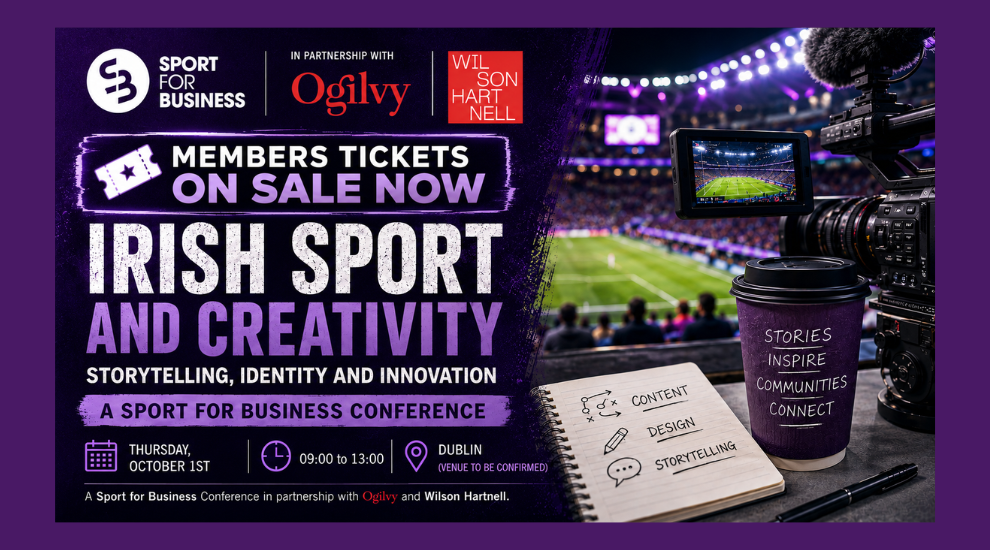
Irish Sport and Creativity 2026
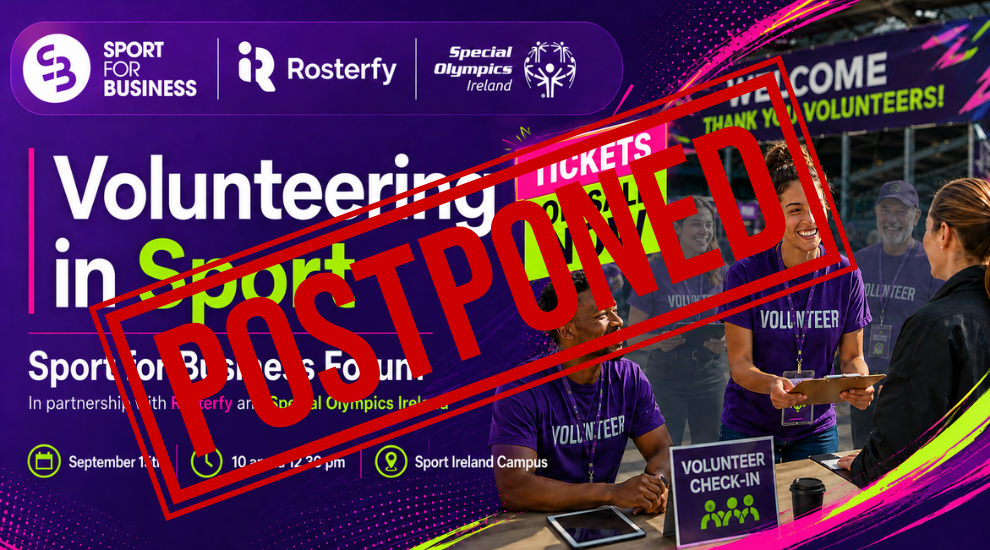
Volunteering Forum
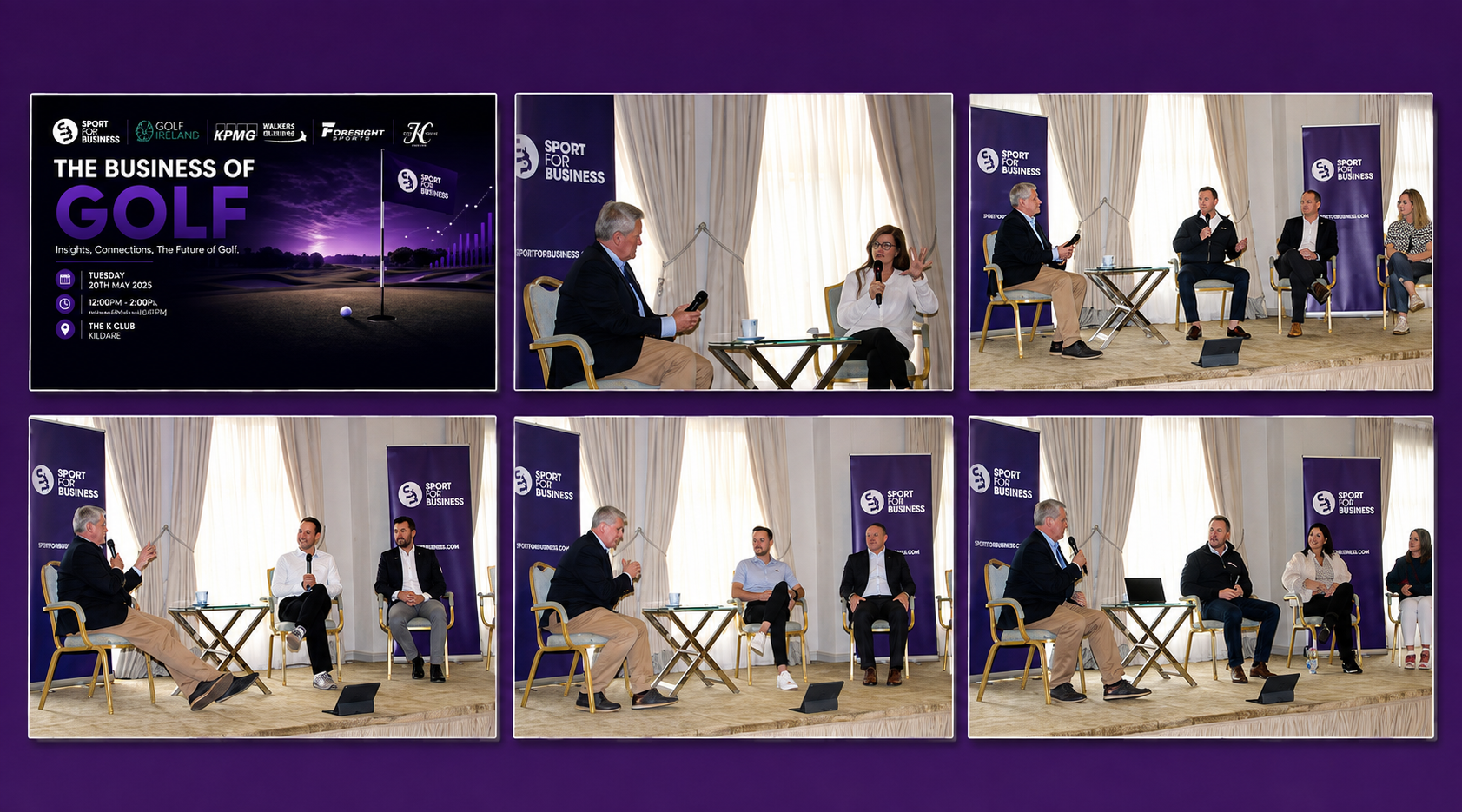
Business of Golf 2026
LATEST NEWS









In the Best of Company
Sport for Business Podcasts
Sport for Business Jobs in Sport

TV and Streaming Guide
Access for Members

Explore Membership Options
