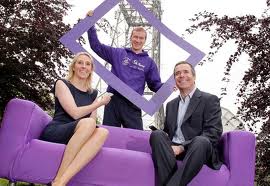
 RTE has unveiled Cadbury as the official sponsor of the broadcaster’s London 2012 Olympic Coverage.
The brand has developed a full Irish themed campaign for the 25 ads a day it will run on TV as well as through radio, the RTE website and its digital platforms.
The deal is estimated to be worth around €700,000, meaning a spend per customer for the likely one million strong audience of around 70c
The issue of broadcast sponsorship revenue from Olympic coverage has been fraught in the run up to the 2012 Games with the International Olympic Council and the United States Olympic Council only concluding a long term agreement on the division of monies raised last month.
That deal means that the local Olympic Council receives 12.75% of the royalties from broadcast sponsorship deals in its own country until the present contract with NBC runs out in 2020.
After that point, for another period of 20 years, the same rate will apply to revenue up to the existing level while any increase in value over that of the current deal will result in a seven per cent share for the USOC.
Given the increase in broadcast revenue revealed this week for the English Premier League, the hope and strong belief is that sport will continue to be the ‘Golden Child’ of content in whatever form is most prevalent when that particular deal is renewed.
The conclusion of a US deal that will run for 28 years from the time it was signed is remarkable given the changes in technology and delivery that have taken place over the last 28 months.
 NBC has always been the traditional broadcaster of the Olympics and the fee paid to cover the London games was in excess of €1 billion.
Last year it won the US rights to four more Winter and Summer Games running through to 2020. It also changed tack under pressure from rivals and the reach of social media by switching from a tape delay highlights approach in primetime to a commitment to show events live. Rio 2016 will of course be held in a US TV friendlier time zone and that was doubtless a major consideration in the successful bid.
The increase in the rights fee paid by NBC went from a winning bid of $1.22 billion for Rio to $1.41 billion for the 2020 games, the venue for which has yet to be awarded.
Comcast, the owners of NBC as well as a range of sports subscription channels in the broadcast area hinted at the time at how they would realise value for the deal by talking in loose terms about the ability to add ’20 or 30 million’ subscribers through live Olympic and related coverage as well as increasing subscriptions by ’30 to 40’ per cent.
Where this will leave smaller or public service broadcasters like RTE and the BBC is difficult to judge given the likely fracturing of the broadcast model but the different local Olympic councils will be anxious that a rising tide should lift all boats and that the agreement to keep the major players like the US on board will have a benefit for all.
After all, an event like the Olympics needs competitors from all around the world in order to maintain its global appeal.
Closer to home, the GAA will shortly commence negotiations on the renewal of its broadcast contract which is now in the second year of a three year cycle. It is likely that online rights will form a more important element than might have been thought likely during the last round.
Sport for Business will hold a Members Round Table on Broadcasting and Sport in November as part of its monthly programme of events. The next events are on:
Children and Sport – June 28th
Employment and Sport – July 26th
Technology and Sport – September
Betting and Sport – October
Broadcasting and Sport – November
Find out today about the benefits of full membership of the Sport for Business community
The future of Olympic broadcasting