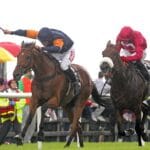
 Horse racing has an important role to play in Irish society and its economy. Ireland has an equally important role to play on the international racing stage with over €150 million worth of exports. Even that figure is set to be dwarfed following a link this year between the sport in Ireland and its development in China.
An estimated 20,000 jobs are dependent on the sector, a figure that is bigger than most of the major multi-national companies in the country combined.
And yet despite all these strengths, this week’s Galway races have been overshadowed by the possible ramifications of an Indecon report, commissioned by the Department of Agriculture, Food and Marine into the structure and future funding of the industry and the sport that is it’s face to the world.
The report runs to 91 pages and makes no fewer than 37 recommendations, though many are concerned with streamlining of existing functions rather than being of a more strategic nature. Reaction to the report was mixed but there was a broad acceptance within racing that a sustainable long term funding plan is likely to lie outside of state funding.
 Since 2002 the total investment by government in the racing sector, covering horses and greyhounds, has been €727 million of which €462 million has come from betting duty and €265 million from central exchequer funding.
The amount of betting duty has fallen from a high of €68 million in 2002 to a low of €27 million in 2012, using figures based on the previous year’s returns.Overall betting has risen but more now takes place online and out of the current tax net.
The amount which the government has had to make up stands this year at €29.4 million and the trend is unsustainable given the other massive strains on the exchequer.
Ironically if you were to look on the state as an investor, the return it gets in terms of economic activity, export income and taxes and employment would make that figure or even twice that figure look like a good punt.
Political reality though is that the ‘investment’ needs to come from elsewhere if prize money, seen as an efficient and meritocratic means of income distribution, is to be maintained.
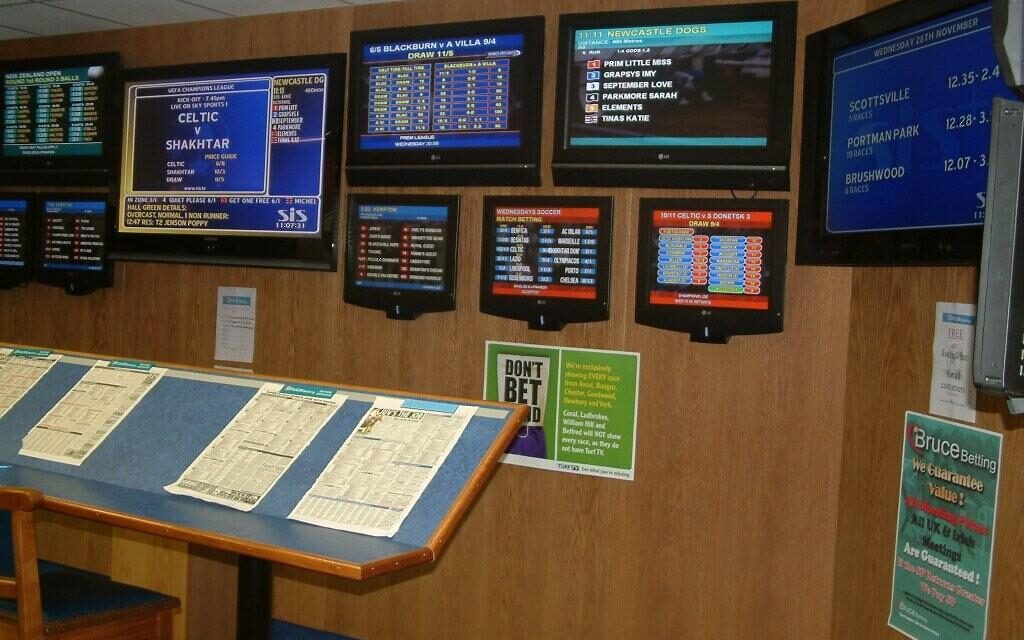
The ‘elsewhere’ identified by Indecon is via an increase in betting revenue going to the sports. The report states that the retail betting sector is an integral part of the overall horse racing industry in Ireland.
This is a statement which might at various times and in various ways be disputed by both sides.
There is a long tradition of the sport looking with disdain at the influence of betting, both here and in Britain and a similar feeling around the board rooms of betting companies that horse racing is but one of a range of ‘products’ which it serves to its customers.
Much of this is grandstanding and there is at least a tacit acceptance that the two sides are mutually dependent on each other, if not for their existence, at least for a significant stream of their income.
The main challenge facing the brave new world of mutually beneficial cooperation though is the rapid mobility of the modern betting enterprise. The industry as a whole is now very much an online business.
Major firms can change their location for tax reasons almost overnight as has been done by all of them since Victor Chandler first went to Gibraltar in the late 1990’s.
Malta, the Isle of Man and a host of other tax friendly jurisdictions now house almost all of the major betting companies. Ireland could have been one of those homes but a fear of being seen as introducing a predatory tax regime made the Department of Finance nervous and the opportunity was lost.
 The adoption of a consumption tax approach to betting will likely generate greater revenue from Irish bookmakers such as Paddy Power and Boylesports who operate their online services from out of the state but would in all likelihood be willing to come aboard if the regime was seen to be fair.
The UK is proposing a similar consumption tax and this is likely to be accepted given the high proportion of British sporting events that feature on most bookmakers list of events offered. The proposal for Ireland is that all betting, regardless of the sport or where in the world the event takes place, will be taxable if placed by someone in Ireland. This works for racing but may be storing up issues in the future if other sports were to press for a share of revenue derived directly from betting on their own sports.
The question of application also comes into play as a bookmaker with no obvious or apparent connection to Ireland may be less willing to voluntarily pay over a proportion of betting duty based on Irish customers that he has cultivated but who are more likely to bet on Barcelona than Ballinrobe.
There is much work that remains to be done on the construct and policing of the consumption tax and even then, the question remains will the Irish betting market that bets with bookmakers who abide by it be big enough to sustain the funding of racing almost on its own?
The other area of funding which the report clearly identifies as lacking in Ireland is from commercial partnerships and sponsorship. In Britain this covers 30% of funding requirements, including significant sponsorships from Irish companies at meetings like Cheltenham. In Ireland the figure is less that 12% and this is an area that needs to be addressed.
Business will only be attracted by a good product, well sold, but events like the Punchestown National Hunt Festival, the Dubai Duty Free Derby and this week’s Galway races show that a product does exist. This must be the first item on the agenda for the Strategic Marketing Group recommended in the report.
The structural changes between Horse Racing Ireland and the Turf Club tread on a few sensitivities but are likely to be introduced sooner rather than later, as is the restructuring of the HRI board with a greater input on non-executive directors from outside the traditional heartland of the industry.
When those individuals join the board they may find their welcome is muted in the sport term but there is no doubt they will bring a fresh impetus to a great sport and an industry that has a very important role to play in the national recovery.
In October, Sport for Business will host a Members Round Table on betting and sport. This will cover areas of funding, promotion integrity and wherever you would like it to go. If you would like to be one of the 10-12 participants, contact us today.
Securing a future for Horse Racing