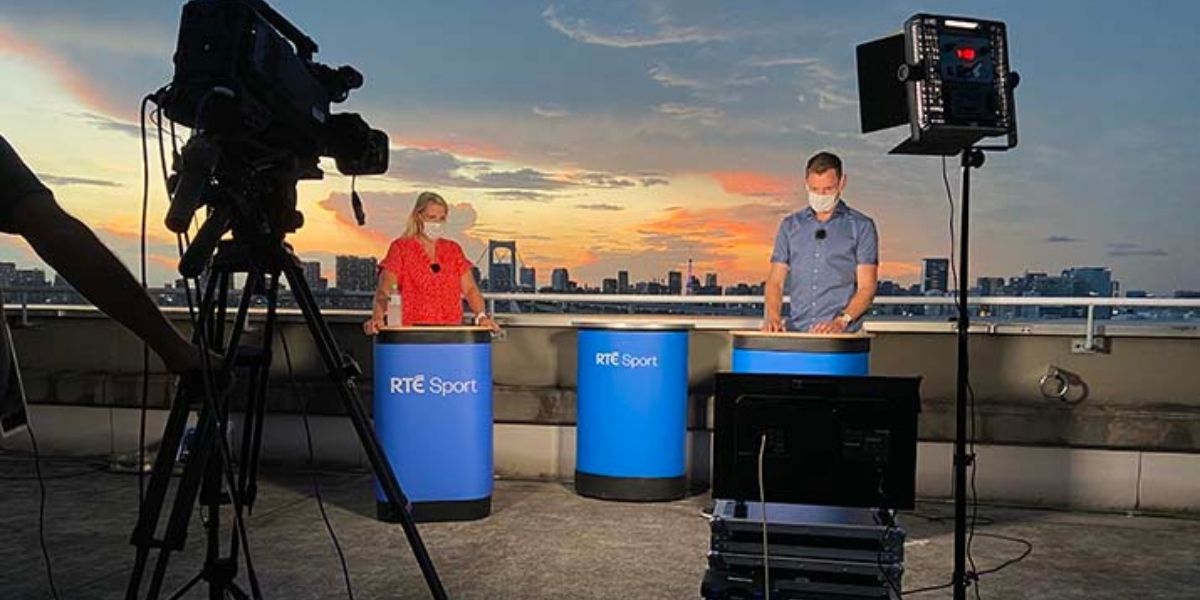
Jacqui Hurley has been our guide through the Olympic Games of Tokyo 2020, broadcasting live through the night from the rooftop of a shopping centre in Tokyo.
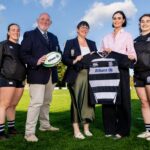
Now that she is back in Ireland, we caught up with her at the launch of Girls Play Too, the second edition of which is exclusively on sale in Lidl stores until September 5th.
We covered the launch of the book here, but we also wanted to get a little insight on what it was like covering the Olympics in a pandemic…
What has it been like for you since coming back?
Ah, I’ve been having withdrawal symptoms. I was so used to getting up in the morning and hitting social media to tell people about what was coming up that day.
You get so wrapped up in it. I watched some of it back just to try and get a flavour but yeah I really miss it.
How did it compare to what you had expected?
I was apprehensive before going down you’re always wondering will it be the same or could it be a bit of a flop.
But it was really special and I think that was largely down to the Irish performances. Those that are close to it would be following and getting to know the athletes from a couple of years out. But when they get out onto this stage it can all be so different.
When Paul and Fintan went out and won gold it changed the whole Games. The Women’s four when they won the first medal was great and then our other sport boxing which finished it off in such style.
Aidan Walsh is a star, but Kellie Harrington, oh my God, she deserves every accolade that is coming her way she is just such a superstar.
You watched most of it from a shopping centre in the middle of Tokyo?
Yeah, that was part of the apprehension. I knew that I’d be broadcasting effectively from the roof of Dundrum Shopping Centre and all the action was going on in UCD. There was a fear that you’d just feel so removed from it.
And also it was 40 degrees. Anyone that knows Live television will tell you it’s hard enough doing eight hours of live television but then you throw the heat in on top. It was very challenging.
Having David Gillick out there was great though. he just made everything work. We had a good laugh.
His role really changed as well. The original plan was that we would have athletes and support staff coming up there to us and we’d be having chats and all but with Covid, everything was changing week by week so eventually, it came to it that David was effectively going to be co-presenting and he would have to be our expert on every sport.
He took to it like a duck to water. He read up on everything he could find and then gave it back to us on-air and he was great. I really felt for him at first because I was going to be asking about X, Y and Z and he was going to have to be an expert. But he was so good, and we had a laugh as well.
Social media was important as well because in those circumstances you have to be able to blow off a bit of steam and we had a laugh with the whole team of people behind the camera as well.
How many of the little plastic flags had ye brought out?
We had a whole plastic bag of them. I wanted to put one up for every time we won a medal and tape it to the table so they’s all be there but it was so blustery up on the roof that anything you put down would get blown over.
Sure we had a typhoon hit one day and we had to get off the roof. I don’t think people would have realised quite what it was like up there. Like we had to set up a little marquee tent every morning to kind of cover the camera and the gear from the heat.
We then had to de-rig at the end of every day but in a situation like that you have to knock a bit of craic out of it and we did that.
What were the logistics like because you had a studio in front of the screens, and then David was heading to the stadium? What were the transitions like?
That was a really hard part. Everything in Tokyo was so far away. The stadium was a minimum of half an hour away. The studio was actually our office where everything was being managed and we had a team of 30 people out there so you can imagine when we had to go live from there it was hard for everyone to keep quiet and still do their job while we were live on air.
Every time we needed to go to Clare at the rowing or Paul at the boxing, everything was so far away.
It wasn’t like in London where you could walk to pretty much all the venues and it was so much easier. This was really much harder to keep on top of.
I have to say though Paula Fahy who was the boss on the ground, she was magnificent. She deserves all the accolades because I have no idea how she pulled it all together. Her and Marcus Bennett did a great job and having watched some of it back it would really make you proud of what RTÉ was able to produce.
Aside from the obvious medal moments what were the things that stood out for you there and have stayed with you since you came back?
To be honest it was the disappointments more than anything. It will take Natalya Coyle a long time to come back from what happened to her and I think the whole country or those that saw it will have been affected.
That should not have happened and for something like that at the peak of a career was just wrong. I cried for her watching that.
And the others especially Jack Wooley and Rhys. Like these guys have come so close to Olympic Glory and it just didn’t happen. They will bounce back but those moments were really hard. When you come so close and it goes wrong and your life changes in a way that they didn’t imagine, that’s tough.
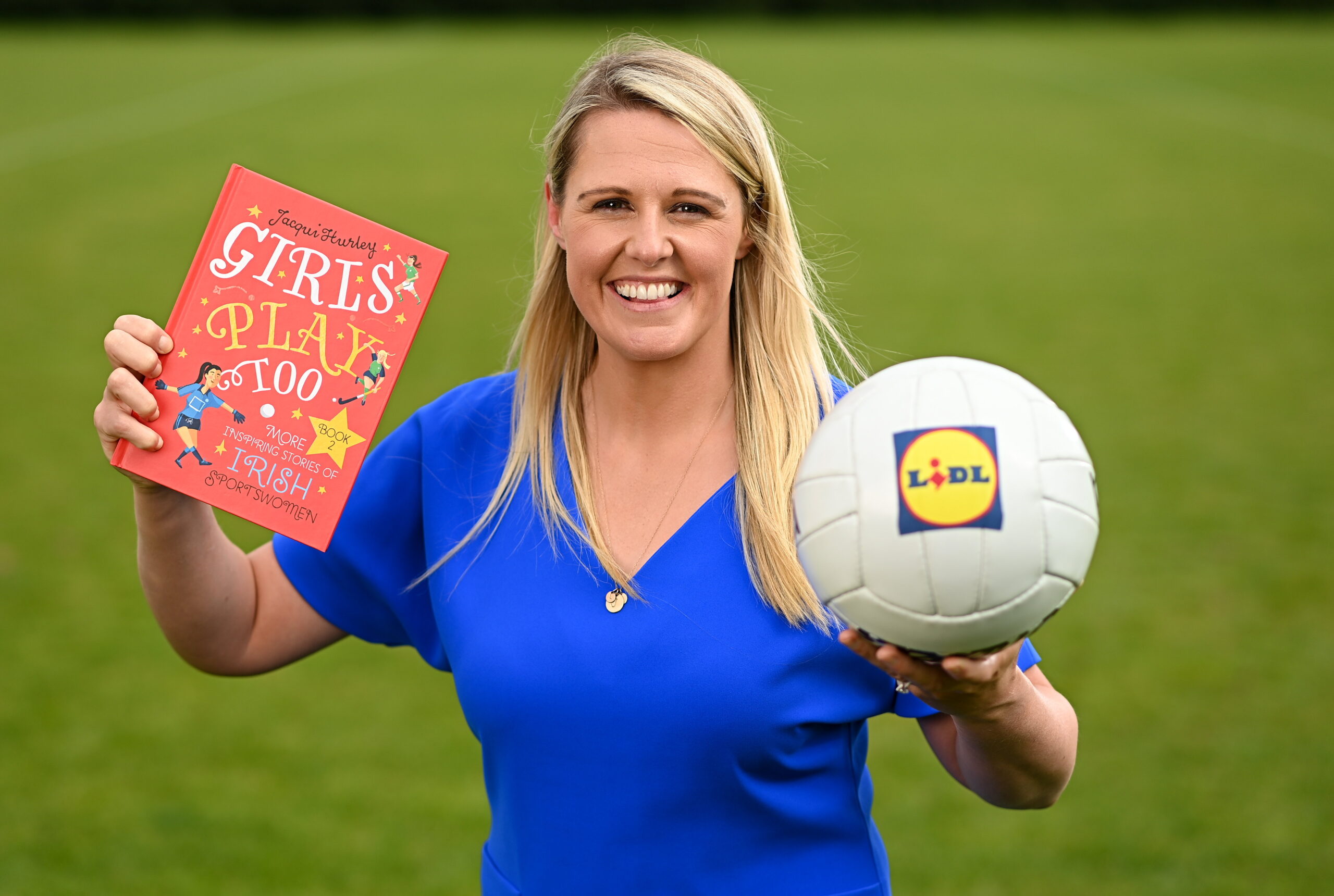
Girls Play Too 2: More Inspiring Stories of Irish Sportswomen is exclusively available in Lidl stores nationwide for only 12.99 until the 5th of September just in time to inspire children as they prepare to go back to school. Image credit: Ramsey Cardy, Sportsfile
Is it time to take your place alongside the 250+ members of the Sport for Business network of sporting and business organisations working together across a number of key areas in the commercial world of Irish Sport?
Download our latest membership brochure here.
Sport for Business Partners
[logocarousel id=”56327″]