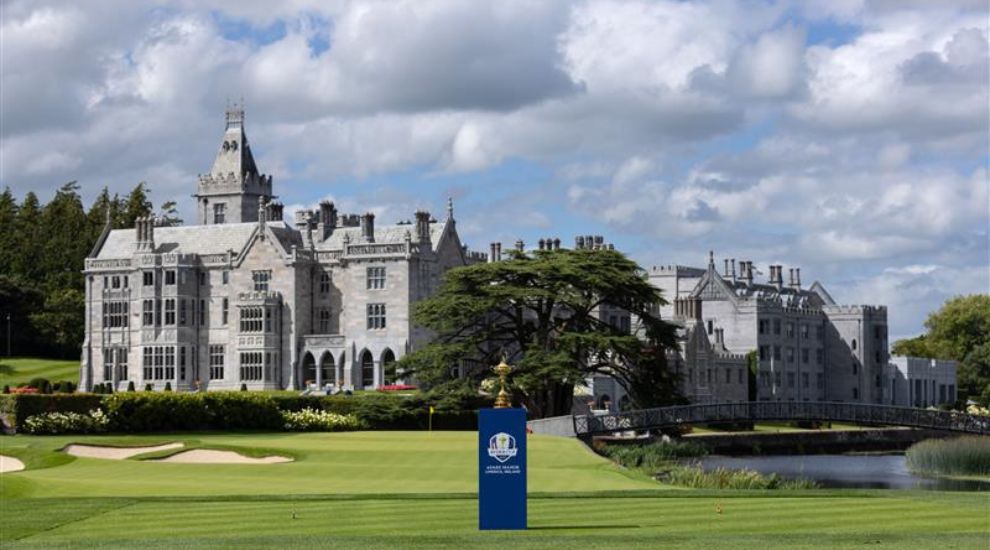
The early reaction to ticket sales for the 2027 Ryder Cup 2027 followed a familiar pattern. Accusations of exclusivity and inflated pricing surfaced quickly, feeding into a wider narrative that one of sport’s most celebrated events is drifting further out of reach for ordinary fans.
And yet, within an hour of going on sale to Irish residents, daily match tickets were gone. Practice days and weekly passes followed within four hours.
If the pricing was truly out of step with the market, the tickets would still be available. Instead, more than 150,000 people had pre-registered for a limited allocation tied to the staging of the event at Adare Manor. The reality is demand has overwhelmed supply and the pricing at the higher end of expectation did nothing to dampen it.
The Ryder Cup is not a typical golf tournament. It is a travelling event, held every four years in Europe, with each host nation effectively getting a once-in-a-generation opportunity to attend on home soil.
Ireland has experienced it only once before, at Ryder Cup 2006, and the intervening years have only heightened both the global profile of the event and the appetite to be part of it. Add in the symbolism of a centenary edition and the expectation of unprecedented demand becomes less a surprise and more a certainty.
That does not make the criticism entirely misplaced. The optics of “sold out in under an hour” are difficult, particularly for fans who feel locked out before they have had a realistic chance to engage. It feeds a perception that access is being funnelled towards those with the fastest connections, the deepest pockets, or the right corporate relationships. In an era where sport is increasingly conscious of its social footprint, that perception does matter.
The question of secondary resale sits just beneath the surface of that frustration. When tickets disappear this quickly, suspicion naturally turns to whether they will reappear at inflated prices elsewhere. It is a legitimate concern, and one that organisers have tried to address through tighter controls. Requiring registered ticket accounts, limiting purchases, and insisting that only tickets secured through official channels will be accepted are all part of an effort to curb large-scale scalping and the use of automated buying systems.
Even so, no system is entirely watertight. High-demand events inevitably attract a secondary market, and while controls can reduce its scale, they cannot eliminate it entirely. There will always be a tension between protecting genuine fans and the commercial realities that come with hosting a global event of this magnitude. Corporate allocations, in particular, remain a significant, if often less visible, part of the ticketing ecosystem.
What this week’s sales process ultimately underlines is the extraordinary strength of the Ryder Cup as a property. The challenge for organisers is not how to sell tickets, but how to ensure that access feels fair. The upcoming international ballot opening on June 3rd offers a second opportunity, and perhaps a more equitable one, but it will still be massively oversubscribed.
For Irish golf, the sell-out is a powerful statement of intent and enthusiasm. For fans, it is a reminder that attending an event of this scale requires not just desire, but a degree of luck. Balancing those two realities — commercial success and inclusive access — will define how the story of 2027 is judged locally long before a ball is struck.
Image Credit: Ryder Cup Europe
 Ryder Cup Europe, the DP World Tour Group and Golf Ireland mentioned in this story are full members of the Sport for Business community.
If you would like to join our membership see your organisation in our content, on our stages, and in the conversation happening every day around the commercial world of Irish Sport, email us today and let’s see what is possible.
ABOUT SPORT FOR BUSINESS
Sport for Business is Ireland’s leading platform focused on the commercial, strategic and societal impact of sport. It connects decision-makers across governing bodies, clubs, brands, agencies and public institutions through high-quality content, events and insight. Sport for Business explores how sport drives economic value, participation, inclusion and national identity, and how your story can be part of ours.
Through analysis, storytelling and convening the sector, it helps leaders understand trends, share best practice and make better-informed decisions. Its work positions sport not just as entertainment, but as a vital contributor to Ireland’s social and economic fabric.
Find out more about becoming a member today.
Or sign up for our twice-daily bulletins to get a flavour of the material we cover.
Sign up for our News Bulletins here.
Upcoming Events