“We are more than medals. As athletes, we’re human beings.”
— Jack Woolley
“You’ve got to be brave in the beginning.”
— Colin Judge
Two simple statements captured the heart of a powerful morning at the Sport Ireland Institute on Friday, at the latest Athlete Friendly Employer Network breakfast.
It brought together athletes and employers to explore what happens when sporting ambition is given space alongside professional and personal development.
RTÉ’s Darren Frehill hosted the morning, bringing together world champions, Olympians, Paralympians and businesses already discovering the value of employing people accustomed to demanding standards, constant feedback and responding to setbacks.
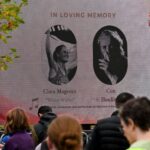
Its theme, More Than Medals, resonated in a week when Irish sport was mourning Ciara Mageean.
Frehill recalled that Mageean had wanted to participate in the event, despite her illness, because she believed in its message and wanted to share her learning.
Institute Director Liam Harbison paid tribute to her and to the staff who had supported her throughout her career and illness. She embraced the Institute’s support, including its life skills services, and clearly left a mark on those who worked alongside her.
“Take the opportunity today,” he urged the athletes preparing to meet employers. “Don’t shy away in the corner. Ciara wouldn’t have.”
The network, supported by Carol Keenan and Eoin Rheinisch through the Institute’s Performance Life Skills team, has engaged with around 30 companies and organisations over eight years. Attendees heard that approximately 15 athletes secured direct employment through the programme last year, with others benefiting from mentoring, training and wider support.
Keenan outlined opportunities ranging from flexible employment and remote working to industry guidance, entrepreneurship programmes and education funding.
The common thread was helping athletes build lives that support their ambitions during competition and give them confidence about what follows.
Education funding remains an area where further business support could make a difference.
Entrepreneurship courses and tech sales training are already broadening athletes’ options.
Keenan also highlighted that the athlete lounge on campus provides another practical support: a quiet place to work remotely between training sessions.
“Work just kind of creates another identity for me.”
— Zoë Hyde
World champion rower Zoë Hyde offered one of the clearest illustrations of why employment can complement sporting performance.
Her relationship with Deloitte began before she joined the national team. As her rowing commitments increased, the company supported changes to her working arrangements and a career break.
Yet stepping away from work also helped her recognise how much she valued having another outlet.
Returning after Paris, she moved into Deloitte’s early careers team, contributing to graduate programmes and development initiatives around a demanding training schedule.
When rowing occupied her entire identity, a disappointing race could feel like a judgment on her as a person. Work restored perspective and helped her enjoy training again.
Flexibility gives employers access to people who bring communication, teamwork and experience that are difficult to teach.
Israel Olatunde described a similar desire for fulfilment beyond the track, announcing that he had started a customer success role with SportsKey.
The Irish sprint record holder, who studied computer science at UCD, had spent two years training full-time before returning to Ireland and exploring professional opportunities.
Contact with former Leinster rugby player Nick McCarthy helped open the door.
Olatunde approached the conversation ready to learn, asking where he might need to develop after time away from employment.
His advice was to seek opportunities and accept being a beginner. Applying himself in another demanding environment could also sustain his enthusiasm for athletics.
For Robert Hendrick, the transfer of skills was clear in the emergency department at Mater Hospital, where he works as a physiotherapist.
Assessing patients, coordinating colleagues and making decisions under pressure drew on capabilities developed in canoe slalom, where quick adaptation to changed circumstances provided a real-life skill beyond the course.
Working within a multidisciplinary hospital team felt familiar after years of support from coaches and performance specialists.
Séafra Guilfoyle offered another compelling example of his transition from international sailing to Stripe.
An introduction through his sporting network led to a conversation and eventually a sales career. He described becoming a global top performer and earning a President’s Club trip to the Bahamas.
The attributes that travelled with him were straightforward: work ethic, motivation, adaptability and coachability.
“We’re all people first.”
— Greta Streimikytė
AIB’s employer spotlight moved the discussion from principles to the practical arrangements that make these relationships work.
Former Dublin footballer Coman Goggins explained that the bank sees genuine potential in athletes and the contribution their experience can make across its teams.
Their involvement also creates pride among colleagues watching them represent Ireland, while internal speaking opportunities bring lessons about performance, recovery and resilience into the organisation.
Greta Streimikytė described how an initial six-month opportunity had developed into seven years with AIB. Working two days a week, she has combined international athletics with professional development and the reassurance of a possible full-time career when she chooses.
Her experience also underlined that finding the right arrangement takes discussion. A reduced working week needs a role where the employee can contribute meaningfully and keep learning.
Hockey international Christina Hamill works three days a week in credit risk. Her account of balancing World Cup commitments with employment showed the value of managers prepared to explore options.
Unpaid leave and making up working days during a quieter period in the international programme allowed her to accommodate a lengthy tournament absence.
Marathon runner Paul O’Donnell, working in data governance, spoke about the relief of finding an employer willing to discuss when and how he could work from the outset.
He also valued the structure employment brought between training sessions, replacing hours spent waiting for the next sporting commitment.
The closing conversation with Jack Woolley and Colin Judge brought the discussion back to identity.
Woolley spoke candidly about returning from two Olympic Games disappointed because he had not won a medal, before learning to recognise the achievement of reaching them.
Time away from full-time competition has allowed him to explore reformer Pilates instruction, art and speaking, while considering who he wants to be beyond sport.
Judge, meanwhile, described the difficult adjustment following a change in his table tennis classification and the process of rebuilding his game against physically stronger opponents.
His growing work as a speaker draws on those experiences to help others reconsider their circumstances and their relationship with setbacks.
“Just because I failed at something doesn’t mean that I can’t do it. It just means that I haven’t figured it out yet.”
— Colin Judge
Frehill’s closing challenge was deliberately achievable: for the athletes in the room to take one action in the coming week. Make the call, arrange the coffee, start the conversation.
Across the room were examples of where that first conversation could lead.
 Sport Ireland is a full member of the Sport for Business Community. If you would like to join them and see your organisation in our content, on our stages, and in the daily conversation around the commercial world of Irish Sport, email us today and let’s see what is possible.
Image Credit: Sport for Business
ABOUT SPORT FOR BUSINESS
Sport for Business is Ireland’s leading platform focused on the commercial, strategic and societal impact of sport. It connects decision-makers across governing bodies, clubs, brands, agencies, and public institutions through high-quality content, events, and insights.
Sport for Business explores how sport drives economic value, participation, inclusion and national identity, and how your story can be part of ours.
Through analysis, storytelling and convening the sector, it helps leaders understand trends, share best practices, and make better-informed decisions. It positions sport not just as entertainment but as a vital contributor to Ireland’s social and economic fabric.
Find out more about becoming a member today.
Or sign up for our Daily Sport for Business Snapshot email bulletins to get a flavour of the material we cover.
Sign up for our News Bulletins here.