A special guest post on the subject of alcohol sponsorship and sport by Kathryn D’Arcey, Director of the Alcohol Beverage Federation of Ireland
 The issue of alcohol misuse is an important one and must be addressed by all of society. It is not in the interests of the drinks industry or its sustainable development – it damages the sector, the brands and the societies in which we operate. The drinks industry is, therefore, very clear in our desire to work with the Government, policy makers, and professionals to identify and implement measures which reduce misuse.
We do not want to see measures introduced, albeit with the best intentions, which do not reduce misuse but which simply damage an important indigenous Irish industry. It is our view that long term educational measures, as opposed to eye-catching but ineffectual bans, are the way forward.
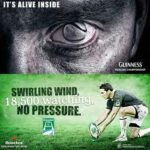
The current proposals are seeking to ban the drinks industry from sponsoring sporting, artistic and music events as well as countless small festivals and events the length and breadth of the country. These are acknowledged as some of the very best-run events in this country and are a major draw for both domestic and overseas visitors.
The wider evidence and data shows very clearly that there is no link between alcohol sponsorship and misuse. The only evidence that has been put forward to date relate to two studies, in particular from New Zealand and Australia. The methodology for both of these studies is extremely questionable. For example, the Australian study suggested that participants in an event sponsored by an alcohol brand consumed more alcohol as a result of the connection. What was not made clear, was that there was free alcohol distributed at these events, so naturally an increase in alcohol consumption was recorded. Free alcohol is not distributed to participants in the events sponsored by alcohol companies in the Irish market.
There is, in fact, research proving there is no connection between consumption and sponsorship. Recently an in-depth global survey of sponsorship activity carried out by MR Sports Marketing and Sponsorship Intelligence found no connection between sponsorship and consumption levels.
If we also look at where bans have been introduced, there is no evidence they have had any effect on reducing misuse. The Loi Evin in France, with its restrictions on alcohol advertising and sponsorship, is acknowledged as not having worked to address alcohol misuse. In addition, recent studies have found that teenage drinking in France is on the increase – a clear indication that other factors are at play in terms of why they are drinking alcohol at a young age.
Looking closer to home, we know that beer brands are one of the most active categories in the area of sports sponsorship in Ireland while wine brands do not sponsor any events. Despite this, the wine market in this country has increased by 13% over the past sixteen years while the beer market has decreased by 9% in the same time period. The reason that brands undertake these activities is to encourage consumers to choose their brand over another and not to drive the irresponsible consumption of alcohol.
A ban on alcohol sponsorship would lead to a significant gap in funding for sports which would not be plugged by sponsorships from other sectors. This would result in a negative impact on the Irish economy and perception of Ireland.
We know that various organisations are working to attract major international sporting events to Ireland, which would bring hundreds of millions in tourism revenue into Ireland. We also know lead-in times for these major events are significant. Therefore, an announcement on a phasing out will significantly hamper these efforts before they even get off the ground.
Furthermore, any move to restrict or phase out sponsorship activities by the drinks industry in the medium-long term will immediately penalise those organisations that receive our investment as brands will begin to wind down their sponsorship activities with the subsequent loss of millions of euro in the short term.
The reality is that the existing co-regulatory structure which uses audience profiling and ensures that no sponsorship can take place at events which have more than 25% of their audience under the age of 18. These codes have been in place since 2002 and are considered to be among the strictest in the world.
Not only does alcohol sponsorship not increase consumption, and its restriction would damage the sports that benefit from sponsorship, our domestic economy and potential for growth in the expert sector but due to the open nature of Ireland’s media means that any ban will have no significant impact on exposure, as sponsored activity from other countries will be legitimately viewed by Irish consumers.
What will help to fundamentally change the drinking culture in Ireland is education. If we invest in the development of sustainable educational programmes, we believe that we can address the issue of alcohol misuse in Ireland. Consider the positive impact that drinkaware.ie is having on shifting societal views and affecting real change. Recent attitudinal research into the impact of drinkaware.ie, found that 80% of Irish people believe there is now growing awareness of the effects of excessive drinking.
Instead of using broad populist, unproven and antibusiness initiatives that will not address alcohol misuse, we should be working together to target the societal issues that lead to someone abusing alcohol.
Kathryn D’Arcy
Director, Alcohol Beverage Federation of Ireland
Read more of the Sport for Business analysis and coverage of the debate over alcohol sponsorship and sport, including a recent alternative put forward by us which makes the financial and public policy case for Government replacement of alcohol sponsorship.

Sport for Business is a subscription based community that develops innovative ideas to bring sport and business closer together with many mutual benefits
Sporting organisations and businesses can avail of membership of Sport for Business for a monthly subscription that costs between €50 and €90, depending on size.
In return you get unique intelligence and analysis of the commercial world of Irish sport; a monthly programme of networking events enabling them to connect with sporting and business leaders and a platform to showcase your projects in sport. Click here to find out more.