For much of the past decade, there has been a trend toward bringing influencers to events, based on the belief that their audiences will become fans of the sport in question.
The calculation is simple. A creator arrives with followers, produces content and extends the event beyond the stadium.
That logic has helped influencer marketing become a familiar part of the sporting landscape, but it has also sparked backlash.
Supporters see people attending events they would give their eye teeth to be part of, yet seem more interested in filming themselves than watching what is happening.
The problem is not that creators have no place in sport. Many understand the games they cover, speak to audiences traditional media struggle to reach and tell stories with an immediacy that rights holders and governing bodies have been slow to master.
The gap arises, though, when influence is confused with interest, and reach is treated as a substitute for relevance.
Marketing strategist Shane O’Leary, a Sport for Business PwC 30 Under 30 alumnus, captured the tension in a recent LinkedIn post. His suggestion was simple: instead of giving the free ticket to an influencer with little interest in the occasion, give it to a genuine fan who desperately wants to attend but cannot afford to, and commission a creator to tell that supporter’s story.
It is an idea worth taking seriously.
Sport has embraced influencers for many reasons. Events need to remain culturally relevant. Sponsors want to reach younger audiences. Social platforms reward personality, spontaneity and material that feels different from formal broadcast coverage. But is it a bit too shallow for an event that means so much to so many?
O’Leary pointed to what he described as a summer of “influencer fatigue”: criticism of creators treating major football matches as scenery for their own output, disruption and breaches of etiquette around the US Open, and complaints closer to home about access to events including All-Ireland finals.
What story is sport trying to tell?
If the answer is simply that a recognisable online personality attended, the content may generate impressions. If the answer is that somebody who thought they would never get through the turnstile was given the day of a lifetime, the content can generate real feeling and emotion.
Think of the GAA ad with the young girl on her Dad’s shoulder at a match. She couldn’t remember who won, but she remembered how it felt to be there. Haven’t we all been in that position at some point?
There is a particularly strong opportunity here for sports organisations that have built content capability in-house.
They could choose a genuine supporter as the subject and assign one of their own creators to follow the experience.
Content may start with the phone call or doorstep surprise. It can follow the preparation: the jersey taken from the wardrobe, the journey to the ground, the first sight of the stadium, and the walk through the turnstile.
Inside, the creator’s job is to notice the moments of emotion we sometimes take for granted, but that someone will always experience for the first time, or with special meaning.
That is the content that communicates why live sport matters.
The best person to bring it to life won’t be the supporter holding a phone at arm’s length. It could be the skilled videographer or social producer who understands pacing, access, sound and the difference between witnessing an emotion and intruding upon it.
This also gives the in-house team a richer creative brief. They are telling a story owned by the event, rooted in its community, and usable across short-form video, longer edits, broadcast, sponsor channels, and post-event communication.
The Authenticity Question
The word authenticity is overused in marketing because it is often treated as an aesthetic. Put away the polished camera, make the footage vertical and leave in a few rough edges, and the result is labelled authentic.
Real authenticity comes from consequence. It comes when the experience matters to the person having it.
A child attending a first international with a parent, a club volunteer rewarded after decades of work, or a supporter travelling home for a final carry personal history and emotional weight.
It won’t work every time, but when it does, it could be special.
Done well, the result can achieve everything an influencer invitation was intended to deliver. It can reach new audiences, create highly shareable material, give a sponsor a meaningful role, and enhance the event’s reputation.
A better role for sponsors
This model creates an especially attractive opportunity for sponsors.
Instead of branding another hospitality invitation, a partner could establish a recurring programme that opens major occasions to supporters who would otherwise miss out. Clubs could nominate volunteers. Fans could submit the story of somebody deserving. Community organisations could identify families for whom cost is the barrier.
The sponsor’s role would be tangible: providing the ticket, travel and the practical means to be there. The sports organisation’s creator would capture the journey. The fan would supply what neither brand nor agency can manufacture—the emotional heft of the occasion.
Protecting what makes sport valuable
Creators will always have a place at sporting events. Some are genuine experts. Some have built communities around a sport long before a sponsor noticed them. Some can turn curiosity into fandom and introduce an event to people it might never otherwise reach.
The question is not whether somebody is called an influencer. It is whether their presence adds to the occasion or merely uses it.
Live sport remains valuable because it cannot be fully replicated. It is scarce, unpredictable and shared. The roar feels different when you are inside it. For many supporters, getting a ticket is a memory they will carry for years and across generations.
Perhaps the next stage of influencer marketing in sport is not to abandon influence but to relocate it. Let the creator bring the craft. Let the event provide the access. Let the sponsor make the experience possible.
And let the fan bring what matters most: a reason to care.
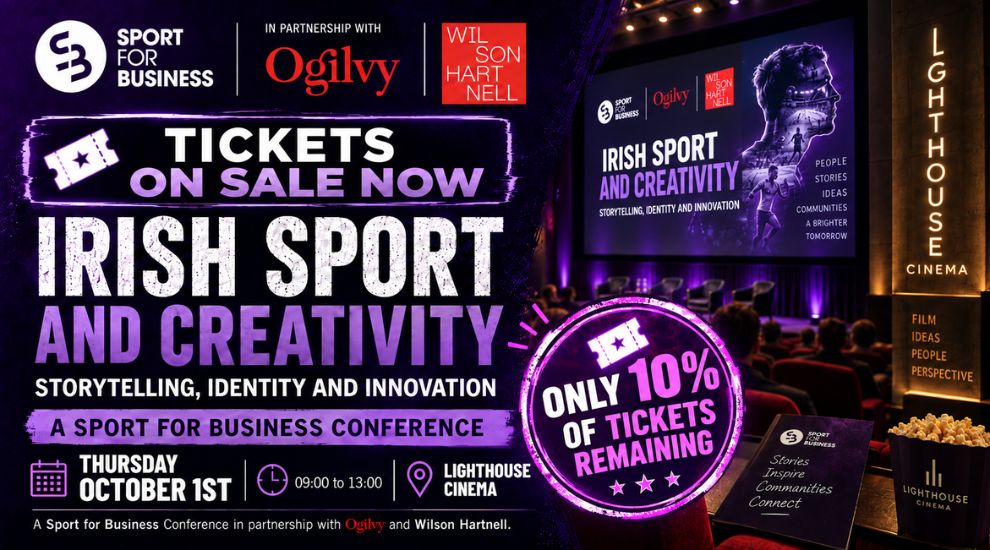
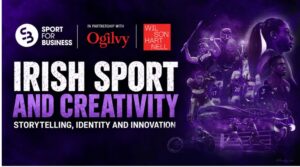
Join leaders from sport, business, media and the creative industries for a thought-provoking morning exploring how Irish sport can harness creativity to build stronger brands, inspire communities, engage new audiences and create greater commercial impact.
Whether you’re working in a governing body, club, brand, agency, media organisation or the wider creative sector, you’ll leave with fresh perspectives on how creativity can strengthen every aspect of sport.
Tickets are on sale now, with Speaker announcements starting next week as we build towards one of our key gatherings of Sport for Business members in 2026.