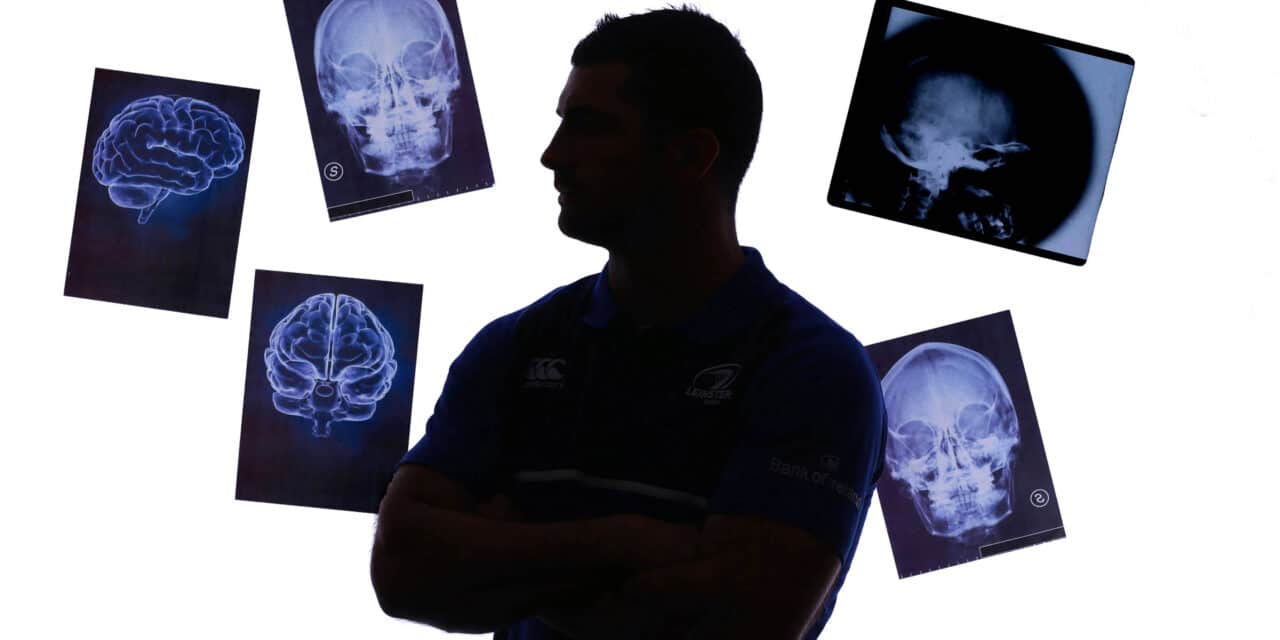
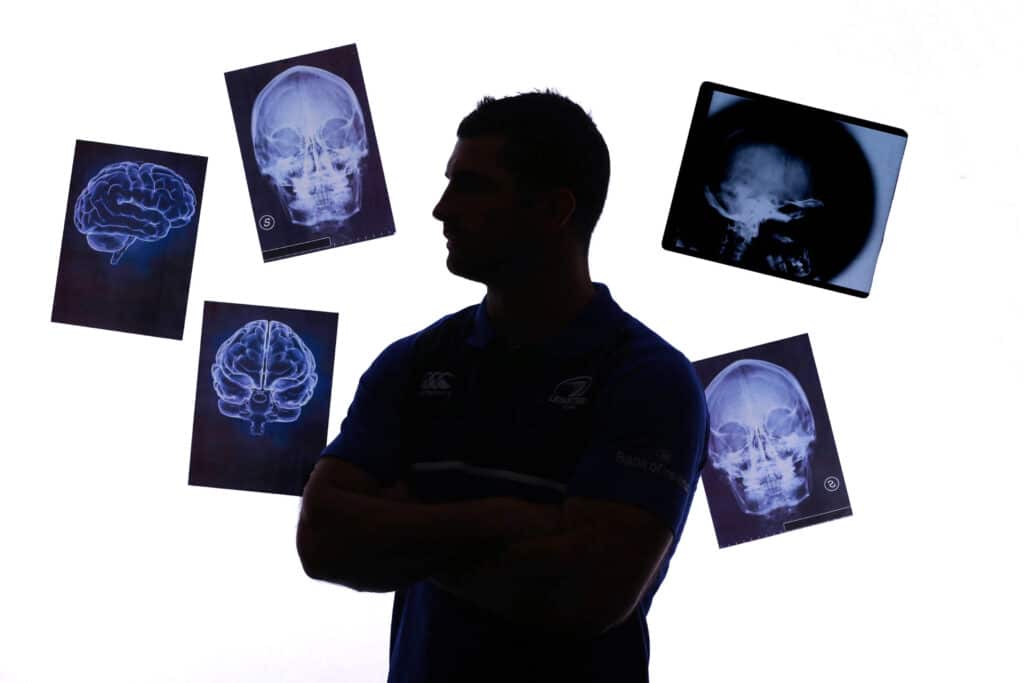
 Laya Healthcare is investing €100,000 in a concussion management programme being rolled out to 1,350 amateur rugby players aged over 16 through Leinster Rugby affiliated clubs.
The new HEAD ON programme is the first major public health programme to emerge from the partnership between Laya and Leinster which was signed last September.
To date, more than eight million people worldwide have been screened using the technology behind laya healthcare’s concussion management programme.
“It’s a simple and straightforward computerised process that has been scientifically and clinically validated to measure neurocognitive abilities related to brain function,” said DO O’Connor, Deputy Managing Director of Laya Healthcare speaking to Sport for Business yesterday.
“Players sit in front of a laptop and respond to a series of commands which creates a record of their baseline brain activity. The test lasts around 40 minutes and players receive a branded wallet card with information about symptoms to watch out for following future suspected concussions.”
Each club in Leinster can register 45 players, men and women, over the age of 16 but must do so by the 14th March. Testing will take place for everybody at the Red Cow Hotel on the Naas Road in the last two weeks of March.
Players who receive a concussion in the following year will be able to do a free follow on test to determine the impact against these base line findings.
Talk
“There has been a lot of talk around the issue of concussion recently and it is something that is taken very seriously within the sport,” said Rob Kearney at the launch.
“While the incidence of reported concussion is on the up, much of this can be put down to the general increase in awareness around the problem, which is a good thing in my view.”
“We have excellent return to play protocols which has really helped the game.”
“Education is key to helping prevent long-term effects of concussion and being able to recognise the symptoms of suspected concussion is hugely important.”
“Players, coaches and parents need to understand that if there is any doubt, players should rest and not take any unnecessary risks.”
Gonzaga
This is particularly relevant given the confusion surrounding a suspected concussion at a Leinster Schools match only last week where team officials from Gonzaga College were disputing the decision of the referee that a player needed to leave the field.
 “While professional rugby players have access to expert knowledge and experienced backroom medical teams, we want to take this opportunity to extend the awareness and understanding of concussion, particularly repeated concussions, among younger players and those playing at amateur level,” added O’Connor.
“It’s vital that players, parents and coaches understand the signs and symptoms of concussion.”
“At laya healthcare we are pursuing a proactive approach to managing and reducing the risk of sports-related concussion especially among amateur and youth players.”
“There is growing awareness and concern about the potential long-term physical and cognitive impact of concussion in rugby and other contact sports.”
Assess
“This is a move to prevent damage and properly assess the impact of such injuries.”
“Right now, there’s little in the way of information regarding how many concussions occur in amateur-level rugby, and we hope through our HEAD ON Concussion Management Programme we can begin to understand more about the incidences and consequences of concussion at this level.”
“While concussion happens at every level of sport – and across all contact sports – the number and volume of concussion-related claims would be too low to have any impact on the cost of health premiums.”
This is a great example of how commercial partners can enhance the provision of sport in a real and meaningful way and both parties deserve credit for stepping up to the debate with a response that will provide evidence rather than fear for something that will be with us for a long time into the future not only in rugby but in all contact sports.