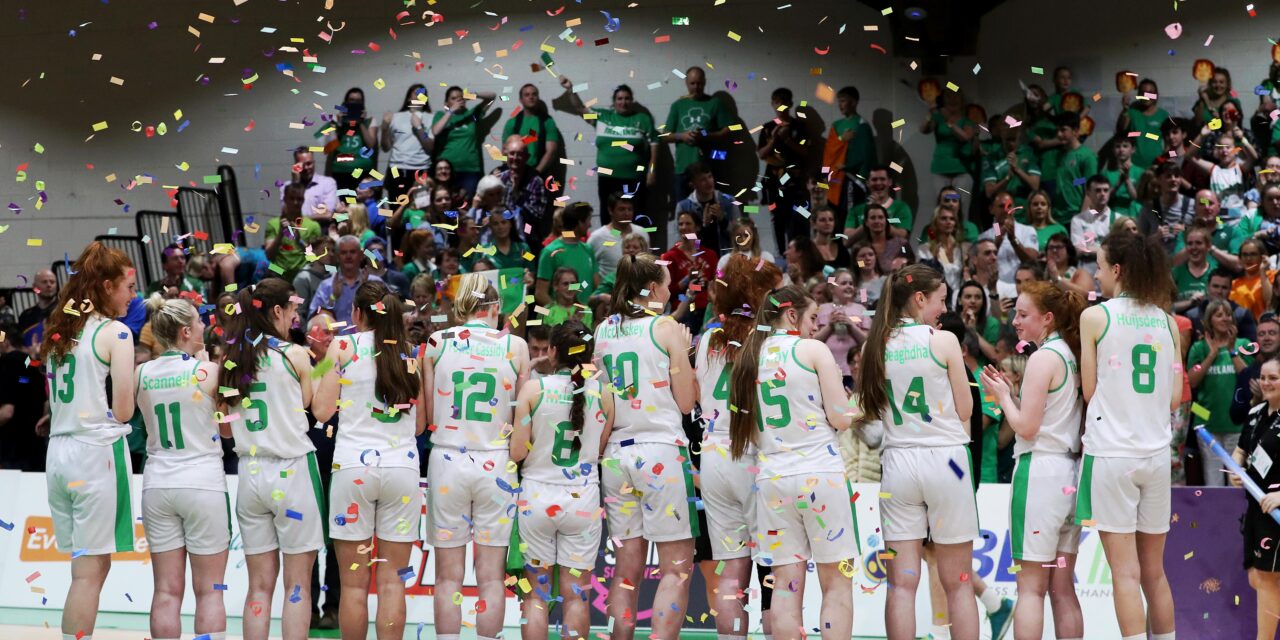
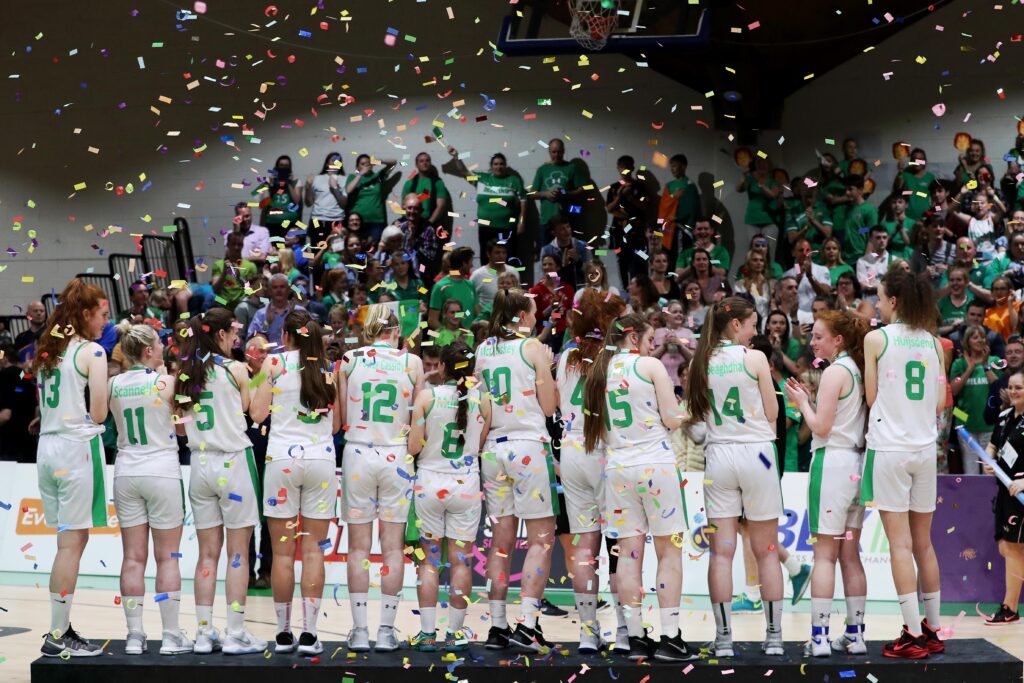
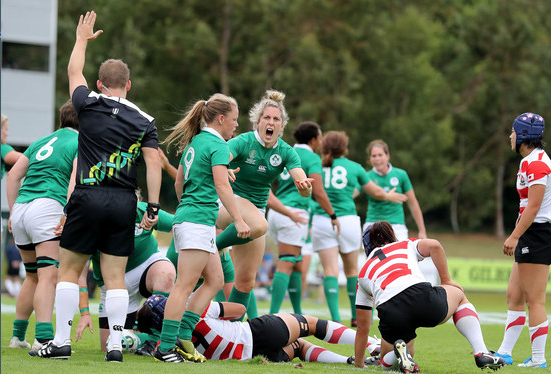
 In the past few week, Irish sports teams have beaten Team GB in Basketball, beaten Australia in Rugby, and gone down bravely to Spain in football.
The games all took place on Irish soil as part of European Championship and World Cup Finals.
The two wins were in front of sell out crowds creating memories that will last forever.
The Rugby victory was watched by a TV audience in Ireland alone of over 300,000.
These are impressive results on every level, not least that we have the capacity and the confidence to host games of this real importance.
The fact that all three were by Women’s teams should not in the least surprise and yet ten years ago the idea would have been laughed at.
There are still some who think, and a few who say, that sport is a man’s game and no place for Women. They are the ones now who should be laughed at.
It’s true that these games were not played in the biggest stadia but that day will come. September’s All Ireland Finals in Camogie and Ladies Football will draw an aggregate crowd of near 60,000 and TV audiences that are not only big enough to matter but big enough to appeal to commercial organisations.
Look at the brands on show at the Women’s Rugby World Cup. Aon and Heineken, Aldi and Land Rover, EY and Mastercard. That’s a roster that any sporting event or endeavour would be proud to display.
They invest because they get a return on their investment.
This is not something that is unique to Ireland though we are doing it well and should take credit for that.
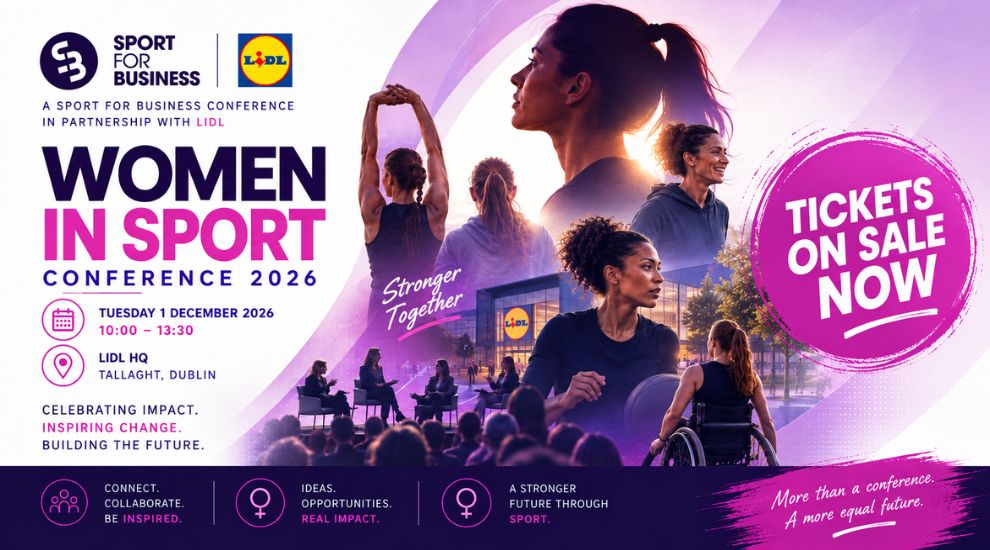
Join us for our third Annual Conference on Women in Sport at UCD on
November 30th 2017.
The Final of the ICC Women’s Cricket World Cup in England last month was watched by 1.1 million people, more than the average TV audience on the same Sky Channel for the Premier League over the course of last season.
Women’s sport is different to men’s but why should that be a negative. Rugby is different to Football, Hurling is different to Tennis. Great sport comes in many different packages.
It is at its best when two sides are hungry to win and that was evident off the pitch as well as on it this week.
Aldi’s stepping up for Women’s Rugby was countered on hoardings and digital platforms across Dublin, as well as on TV, by Lidl ads featuring their own sponsored Ladies Football stars saying that serious athletes support each other and wishing the Irish team well.
Yes, that’s a style of ambush marketing but that in itself is proof that the market around Women’s sport is deemed worth fighting for by the biggest brands.
Last weekend the Liberty Insurance Camogie Quarter Finals were watched on RTÉ Sport by over 100,000 viewers. It was the first time this stage of the tournament had been televised live, it won’t be the last.
During the coverage across Europe of the pre-season UEFA Super Cup on Tuesday night, UEFA used their own promotional slots to highlight the massively successful Together #WePlayStrong campaign for getting more girls involved in football.
On every side, the ripples that once were plaintive cries for equality of esteem have become waves, and brands love to ride a wave.
Nobody could argue that equality was now a done deal in sport but it is visible on the horizon and that’s how it was in health, in education and in most areas of any civilised society in the past.
If you haven’t seen the arrival of Women’s sport then you haven’t been looking in the right places. There are still plenty of mistakes being made in areas of leadership in sporting organisations, coaching opportunities and elsewhere but they too will be fixed.
Promises have been made in the past and acknowledgement given that this was an area which needed to be looked at.
The difference from then to now though is that momentum has swung firmly behind the common sense reality that girls and boys gain equal benefit from sport when given the opportunity; that a sporting encounter between teams and players of well-matched ability can be just as entertaining regardless of weight, size or speed; that people who love sport love it for the competition and the pride it delivers.
All these things have been given a real platform this week on our island.
It is a platform built by the hard work of players, supported by people with the confidence to give them an opportunity which their mothers never had, and supported by commercial backers who see that this is a way to gain real traction in an otherwise crowded sporting marketplace.
In Belfast, the soccer players that lost to Spain were all under 19. In Tallaght, the Basketballers that turned over Team GB and made it to the Final of the European Championships last night were under 18. The average age of our Rugby try scorers against Australia was 26.
Youth sees things differently, looking to the future rather than the past. That’s how and why change happens.
This was a big week for the changing landscape of sporting equality.