Mascots have been around since sport became mainstream. They help fans, especially younger ones to connect with teams and events and they are great for merchandising.
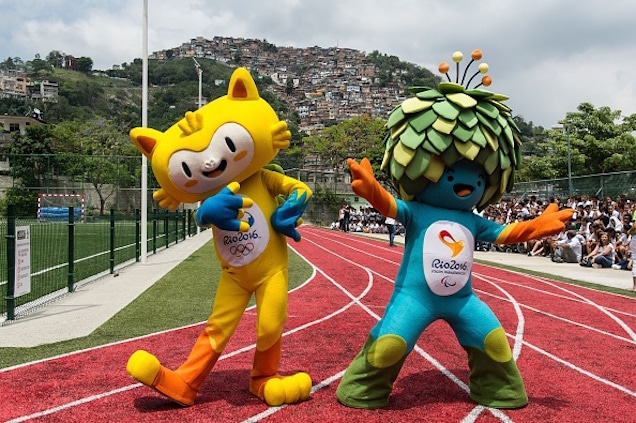
This week has seen a rush of unveilings with the Rio Olympics presenting two colourful amalgams of Brazil’s animal and plant life forms. Their names are being voted on by the public.
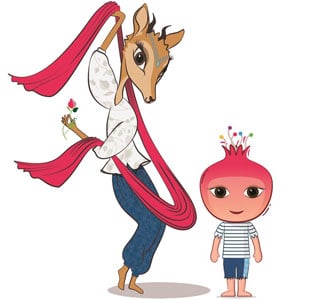 In Baku, meanwhile, the first European Olympics will be adorned by Jeyran the Gazelle and Nar the Pomegranate, representing the country’s history and nature.
“As symbols of Baku 2015 they will inspire, excite and entertain a new generation of sports fans in Azerbaijan and will be visible around the city and the country in the coming months,” according to Azad Rahimov, the country’s Minister of Youth and Sports.
The London Olympics took in over €100 million in revenue from t-shirts, key rings, posters, beanie hats and tea cosies plastered with the Cyclops likeness of Wedlock and Mandeville.
That amounts to 15% of what was taken in through the entire ticketing campaign for the Olympic and Paralympic Games so it is a consequential sum.
In the US they understand the value of a lovable mascot. Mr Met has been standing ground over the New York Mets baseball team since the 1950’s and the Anaheim Duck’s Wild Wing was born of a Disney Movie.
In Britain they have an occasionally annual mascot grand national though it is one that often descends into accusations of foul play (please pardon the pun if your favourite mascot is a chicken).
Premier League club QPR had fans up in anger when Favio Briatore bought the club and replaced Jude the black cat with Spark the Tiger. Black cats are deemed unlucky in his native Italy. Spark left with him when new owners came in and Jude was brought back to life.
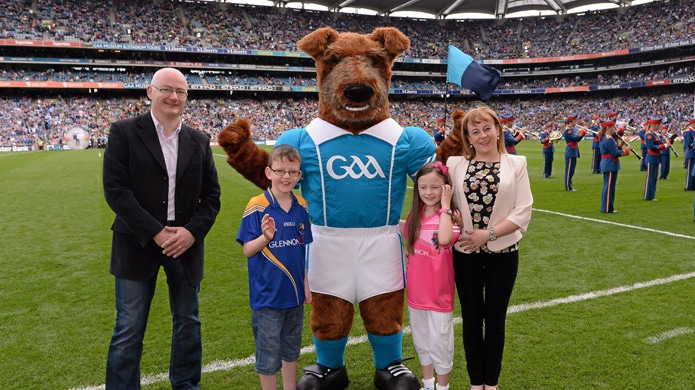 Ireland has been slow to take the leap into furry representations of sport but the 2013 All Ireland football semi final between Dublin and Kerry was also known for the debut of Fionn the Irish Terrier, the GAA’s first official mascot.
Leo Cullen may have retired at Leinster but his namesake Leo the Lion lives on and is a winner among fans and players alike, so much so that he was part of Leinster’s contribution to the ALS Ice Bucket Challenge earlier in the summer.
Fionn and Leo may not yet be worth €100 million but at least they’re not pomegranates.