Alcohol and Sport is firmly back on the agenda this week with speculation rife over the weekend that the idea of imposing a ban on alcohol companies association with sport was to be dropped in favour of a statutory footing for the existing codes of conduct on such promotion.
A memorandum covering such issues as minimum unit pricing and advertising or promotional restrictions is to be discussed at Cabinet this week with Health Minister Leo Varadkar taking the lead.
When he was Minister with responsibility for Sport this time last year he accepted that to impose a ban without any alternative form of funding in place would be counter productive in terms of how sport would be able to fund the engagement of young people in healthy sports activity.
The most important question though was always why sport should be singled out for prohibition and not music festivals or general advertising.
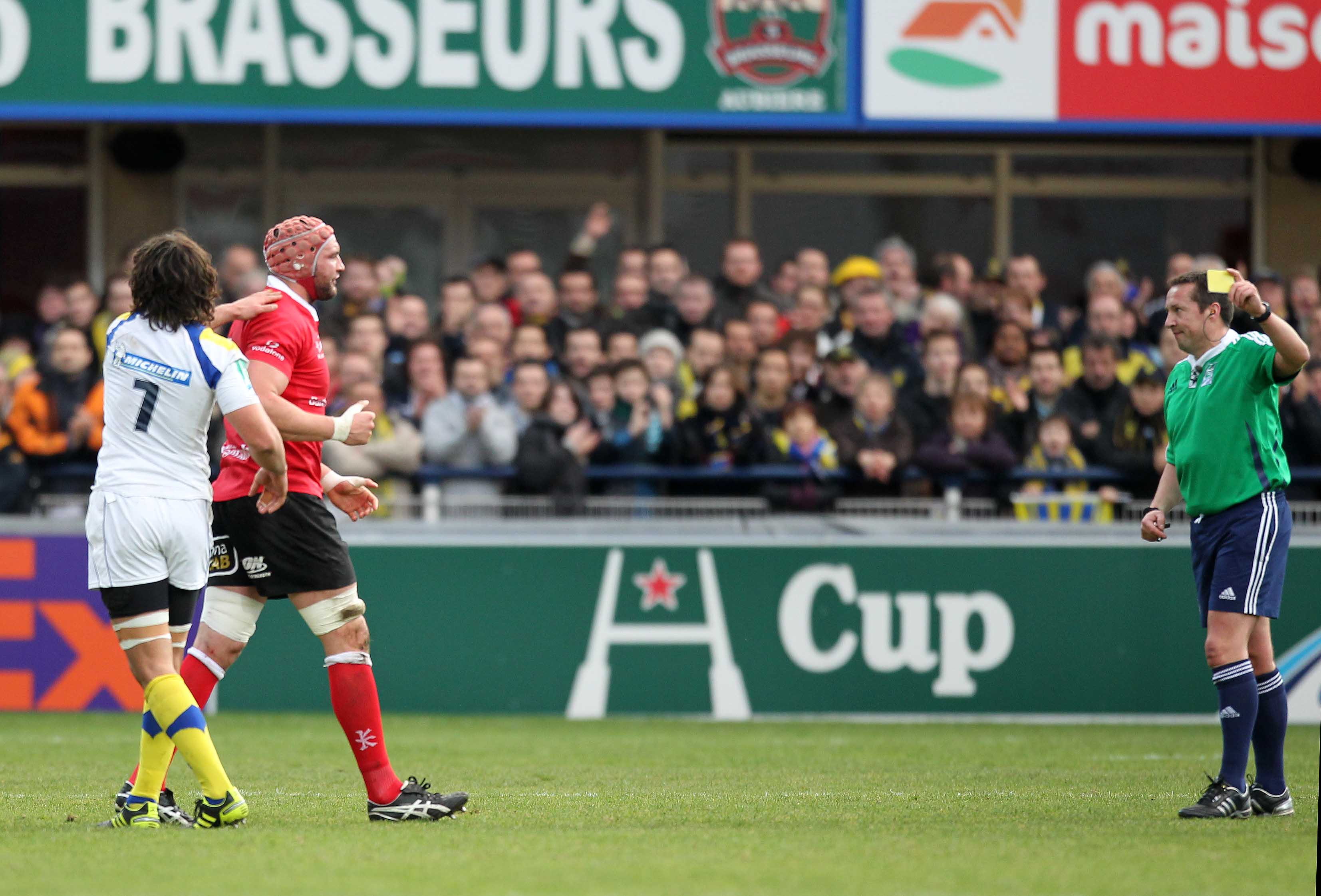 The fact that a billboard outside the Aviva Stadium or Croke Park could still be allowed to promote alcohol, perhaps even in a sporting context, would make the banning of any support for the actual sporting event taking place inside seems like a complete fracture of logic.
There being no restriction on similar promotion to young people going to watch Hosier at Slane or Ed Sheerin in Whelan’s makes the targeting of sport even less clearly thought out.
There is no question that our society needs to face some serious questions over its relationship with alcohol.
Sport has a major role to play in that through the encouragement of coaches and mentors at underage level to downplay any sign of alcohol as an inextricably bound part of celebrating a win, and of putting forward role models of health and fitness that if they drink do so only in moderation.
If sport was to be chosen as the vehicle for a broad based public information campaign such as that undertaken by the Road Safety Authority, then that would make perfect sense.
That in time may make alcohol companies think differently about how and where they promote but for now the voluntary measures adhered to and followed by companies like Heineken and Diageo allow for responsible promotion and for the continued provision of sport at every level from the very top to the grassroots.
To tear that up with no safety net would be as irresponsible as any promotion of binge drinking, and itself be a form of binge banning.
Alcohol consumption causes problems in our society and we do not recognise that enough. But there is no evidence that sporting sponsorship has a direct link to those problems. In France where a ban has been in place for years there is no evidence at all of a reduction in youth drinking.
The damage a massive reduction in sports funding would cause, at a time when obesity and physical activity are so important to promote, would be catastrophic.
Those who argue for a ban blithely say that other sponsors will step in but there is no evidence of that either and for now the stakes are too high to make a call based on instinct rather than evidence.
Image credit: Inpho.ie