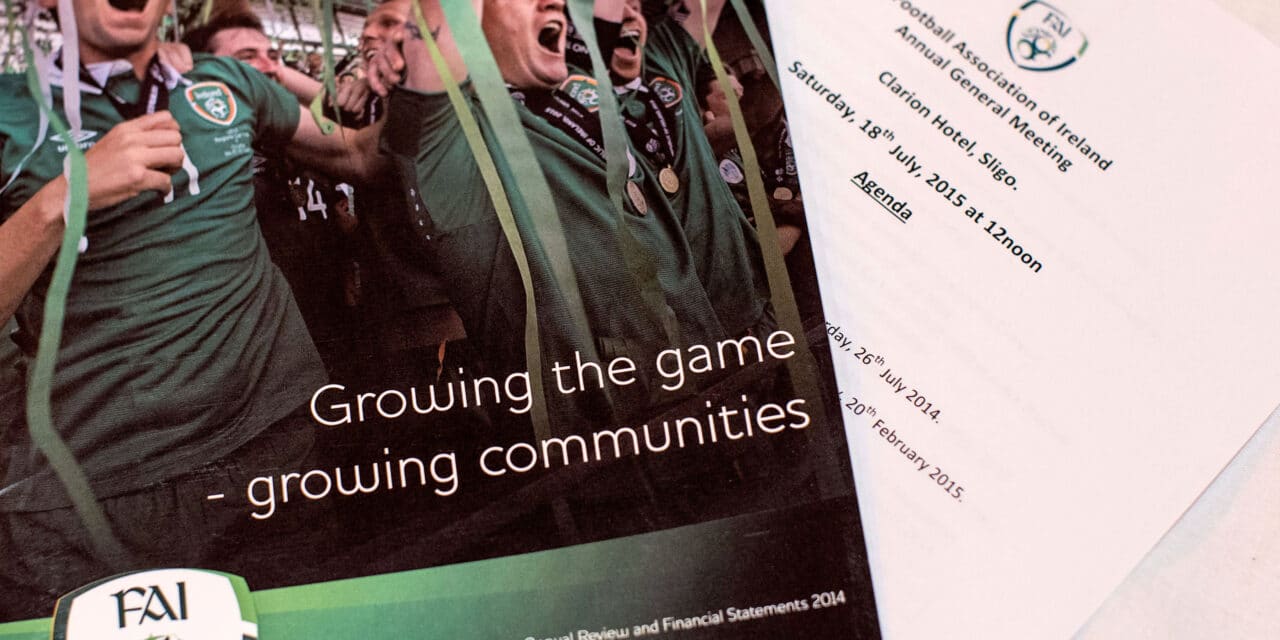
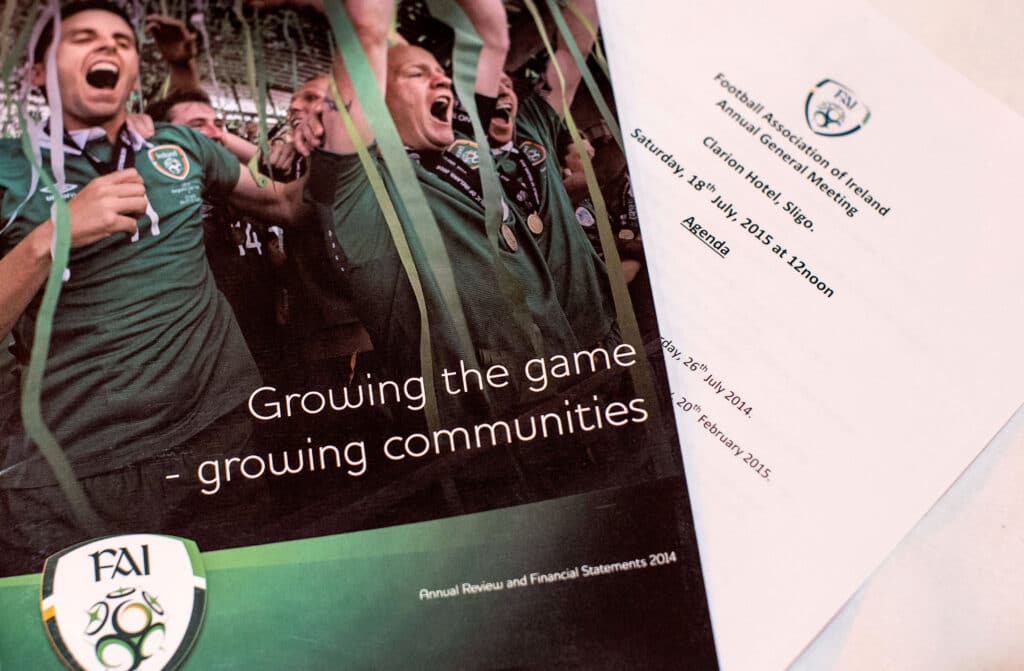
The AGM of the FAI has attracted plenty of coverage over the weekend much of it focused on the lack of a press conference afterwards and the dearth of questioning over issues within the Association.
Little though has been written of the content of the Annual Review which runs to 70 pages and can be downloaded here.
The AGM is of course a time to review the financial performance of the organisation but especially in the context of an organisation with such an important social reach it is also a time to look and judge what has been achieved or not across its many programmes.
In this sense the FAI’s annual review delivers far more than an explanation about the €5 million ‘gift’ from FIFA or the restructure of the debt on the Aviva Stadium.
5 pages are given over to the results of the 163 international games played during the course of 2014 across 13 different competitions and multiple age group.
For the record that produced 66 wins, 37 draws and 60 defeats.
The bulk of the report is given over to the CEO’s review of the year and commentary on the ways in which the FAI worked across its many different areas during the course of the year.
The biggest win was of course the success in landing three group stage and one Round of 16 match in the 2020 European Championships. Tribute is paid to the many partners from Dublin City Council and the Dublin Airport Authority who made the bid one of the top three across the continent and which delivered what will be at the time the biggest international sporting event that Ireland will have ever hosted.
There is also reference to the development of facilities including at the National Sports Campus, Glanmire in Cork and at Dalymount Park which will be crucial for the long term development of the sport at every level.
The Aviva Stadium is of course central to the questions over debt that have dominated elsewhere but throughout the review are pointers to the importance that the development of the stadium has had across the domestic and the international game.
In 2014 it was used more than ever before to host tournaments and events that bring young people onto the pitch and inspire ambition that will stand to them and be remembered long after a final whistle is blown.
The development of the Women’s game is given good coverage with the bringing on board of Continental Tyres as sponsors of the Women’s National League and the adoption of a new strategic plan for 2015-2020 being the highlights off the pitch and the advance of the U19 team to the semi finals of the European Championship taking pride of place on it.
The social side of soccer is also highlighted with the expansion of the Late Night Leagues to no fewer than 55 centres around the country being hailed as a significant advance for a programme that makes a real difference in communities.
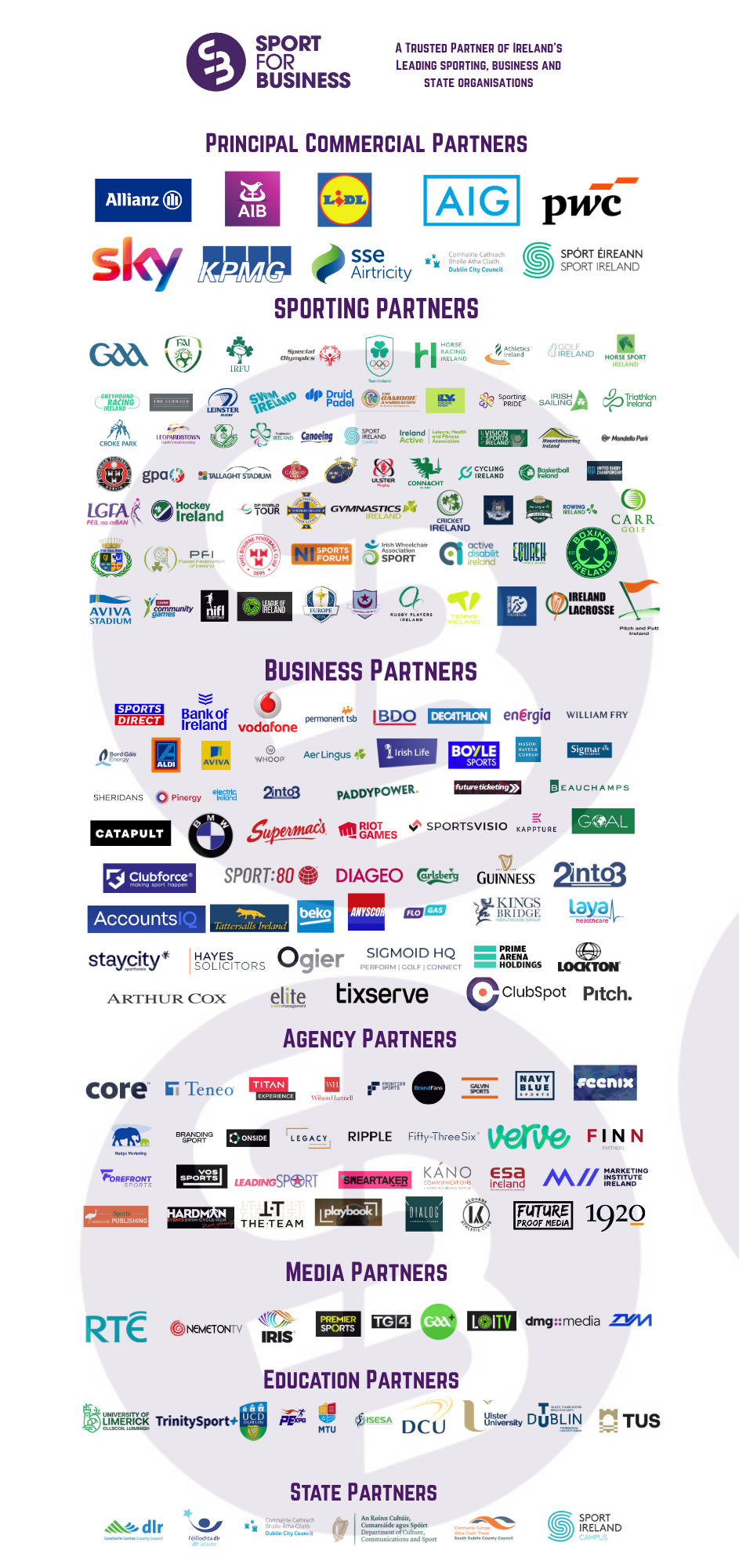
 In terms of commercial partnerships Bank of Ireland became the official sponsor of the FAI post-primary schools cup competitions, while SPAR are now the title sponsors of the Primary School 5s competitions.
The Irish Daily Mail are the new title sponsor of the FAI Senior Cup, Setanta Sports are the new official partner of the FAI’s Emerging Talent Programme, Celtic Pure became the Association’s Official Water Partner and SportsWorld became the official title sponsor of the SportsWorld FAI Summer Soccer Schools. Lucozade Sport and Ford both renewed their partnerships with the FAI and the Senior International team, while discussions around a renewal of Three as the Associations primary partner are ongoing.
Financial management is of course a critical element of the running of such a major organisation, particularly when in receipt of substantial public funding.
It would be better if there was a better relationship between management and media in order to have a balanced and mature debate about the way in which the finances are managed. In time one can only imagine that will come.
The FAI produced an operating surplus in 2014 and will do so agin in 2015. It benefits more than other major sports from having strong financial backing from international governing bodies UEFA and FIFA and in that sense will always be OK.
It’s how it spends the money that perhaps deserves greater depth of analysis and to be fair, at least the Annual Review does outline the areas where that is happening to good effect.