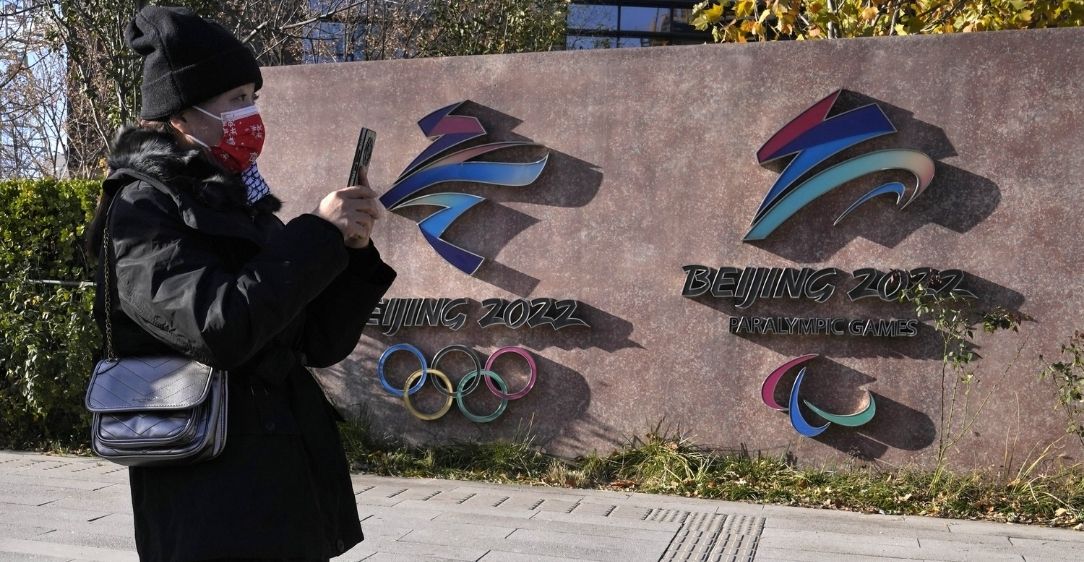
The United States has confirmed it is to impose a diplomatic boycott on the Beijing 2022 Winter Olympics next February.
The boycott has been discussed in US political circles for the past few months as part of escalating ‘soft’ pressure on China to improve its human rights record, and in particular as a response to the treatment of minorities in the country.
“The Biden administration will not send any diplomatic or official representation to the Beijing 2022 Winter Olympics and Paralympic Games given the People’s Republic of China’s ongoing genocide and crimes against humanity in Xinjiang and other human rights abuses,” said Joe Biden’s Press Secretary at a briefing yesterday.
“The athletes on Team USA have our full support.”
“We will be behind them 100 per cent as we cheer them on from home.”
“We will not be contributing to the fanfare of the Games.”
A little over 40 years ago, the United States imposed a full boycott of the Moscow Games, at the height of the Cold War. Since then it has been regularly spoken of but rarely implemented for the athletes.
The idea of a diplomatic boycott is also being considered by other nations including Canada and Australia.
It may though be an academic point even if it sends a high profile statement. At present, the games are planned to take place with no foreign spectators being permitted to enter the country and with a daily Covid testing regime in place for athletes and other staff as part of backroom teams and the media.
The presence of delegations of political leaders or officials would not, therefore, be permitted as things stand at the moment.
Last month the US and Chinese leaders held a virtual summit but little or no personal contact has taken place at the highest levels since the Covid pandemic began.
No British Cabinet Ministers or members of the Royal Family attended the 2018 FIFA World Cup in Russia as relations between the two were sour at the time.
Sport for Business Perspective
The immense international profile of major sporting events will always put them in line for political plays. Similar suggestions have been made around the World Cup in Qatar, as they were in Russia. We have though moved away from the threat of player or team boycotts which made a bigger statement but came at a high personal cost to athletes.
“A powerful and influential network of information and collaboration”

Download our latest membership brochure here.
Sport for Business Partners
[logocarousel id=”56327″]