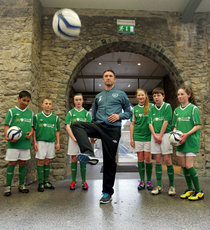
 The FAI and McDonalds have signed a new sponsorship deal around coaching for kids that will produce an additional 65,000 hours of organised football for 8-10 year olds in the next 12 months.
The fast food restaurant features regularly around sport and is a major global supporter of both the FIFA World Cup and the Olympic Games.
It is also a supporter of underage coaching programmes across the world including in Britain and Northern Ireland and will have been well prepared for the voices of protest that has greeted the announcement.
Some medical and obesity experts are calling for a review of the deal and the potential withdrawal of €3 million funding provided by Government through the Irish Sports Council and aimed at juvenile coaching and development.
“This is all about supporting clubs and coaches in local clubs within their communities,” said Liam McGroarty, in charge of Grassroots Development at the FAI.
“Each of the restaurants will have a football champion that is connected to local clubs and that will be important in linking their financial and awareness support within the communities in which both operate.”
Max Hamilton of the FAI and Adrian Crean, MD of McDonalds Ireland highlighted the existing successful partnerships in place across Britain, Germany and Switzerland and the most important element is balance.
We have researched the amount of additional coaching this will enable for 8-10 year old boys and girls and this will produce 65,000 additional hours of extra sporting activity,” said Hamilton.
“Nobody involved is advocating that after every session the kids will be brought to a McDonalds restaurant, just as we do not say that everyone who wears an Ireland shirt has to have a mobile phone account with Three.”
“This is about balance. Young soccer players will benefit and parents and consumers will decide on where or what they want to eat when they are going out.”
McDonalds has become a lightning rod for health campaigners who see its promotion of processed food as a major contributor to obesity and health problems.
The brand itself has become acutely conscious of such concerns and has worked hard to adapt its own offering by way of extended menus, salads and nutrition information. A McDonalds visitor from 20 years ago would recognise the golden arches logo but not much more were they to visit again today and that change has developed in line with public opinion.
It is also worth noting that McDonalds is responsible for over €200 million worth of Irish beef exports a year, all from Bord Bia quality assured farms.
Were a sponsorship like this to be banned where would the line be drawn. Should Tesco be stopped from supporting juvenile gaelic football. Should Sainsbury’s be prevented from supporting Paralympic sport. Both retailers serve alcohol and processed food that would raise questions over their motives behind such sponsorships but without them, and without McDonalds in this instance, fewer people would engage with sport and derive the benefits they do.
Some years ago working on a sports campaign for Powerade, the campaign was keen to highlight a health charity and the Mater Hospital campaign to educate on Sudden Adult Death Syndrome was chosen.
People who filled certain criteria, including heart trouble in their family at a young age were encouraged to be tested to see if they were at risk. It was recognised though that if, somehow, everyone were to be tested, as many as 20% of the population would be advised to participate in no active sport because of a risk element.
The problem was that taking such a high number away from the benefit of physical exercise would actually damage the overall health of the nation.
As the FAI said, it’s all about balance and this deal, by encouraging youth coaching is one that has more on the plus side than it has on the negative.
Discover more of recent Sport for Business coverage and analysis of commercial themes around soccer.


Major McSponsorship for FAI