 This article first appeared in the Sunday Independent on January 31st 2016
The club is the building block on which the GAA’s strongest foundations rest. The headlines may be won by the inter county players and the stadia of Croke Park and Semple Stadium but that is only the very tip of the organisation that dominates Irish sport in a way almost unknown in other countries.
Over one million people are members of the GAA, making it the largest and most influential organisation in Irish society.
That influence is more obvious in rural Ireland where the club is the genuine heart of so many communities. It is also where land is easier to come by to build the fields of dreams that fuel the high days of September.
An analysis of the sports capital grant schemes that have been a major success into developing facilities shows that it is in Kerry, Clare and Longord that the largest number of clubs are winning the funds to either kick start or keep up the dressing rooms, floodlights and drainage that will last for years.
In the cities where land is at a premium and ownership lies more with local authorities than local committees that is a harder game to play and win.
The number of GAA projects allocated money in the 2015 Grants was 186, totalling €11.8 million. Only 19 of the 200 clubs in Dublin either qualified or succesfully applied, though seven of them did secure over €1 million between them.
Fees
The other element where urban clubs tend to find it hard to compete is in the balance between expectation of members and the subscription fees they charge.
There is a wide disparity between clubs in Dublin as to what they charge for membership and what they look to raise through fundraising.
In the tougher times between 2007 and 2014 that was ever more important as clubs wanted to remain a positive force for people going through financial hardship and yet at the same time continue to provide the right level of service to their members.
The standard metric should be that the day to day running costs of a club should be met through membership fees and that any additional fundraising goes towards special projects, teams or trips. In GAA clubs the balance lies a long way short of 100%, in places as low as 60% and that puts extra pressure on fundraisng initiatives.

Other sports have always tended to charge more. An annual membership at a tennis club is likely to cost well north of €500, in rugby nudging towards that and in soccer as well, tending towards a higher fee than is the norm in the GAA.
That’s been good news for the fundraising event managers who have put on nights based on Strictly Come Dancing and the Cube, Take Me Out of Here and white collar boxing.
Clubs have succeeded in making their members sweat to bridge the gap that exists between charging for membership and paying for winter training, bibs and cones.
It tends to be the same faces though that throw themselves into the orgainising and the activity.
There is a big opportunity to exploit the modern channels of communication and engagement that will extend the call beyond those who are most engaged and who go from one fundraiser to the next and reach out to those who simply turn up and drop their kids and take no real part.
The success of senior teams can drive this engagement, showing younger players and their families that a club is bigger than their own section of it.
Social Media
The use of websites, facebook, other social media channels and a good PRO goes a long way to create the right environment in which people feel an attachment and are therefore willing to engage more.
Again this sense of place is more embedded within country towns and villages but they too can benefit enormously from maintianing a connection through social media to those who might have l;eft the parish and travelled the world.
A connection to home is often easier through sport than any other channel and more can be achieved in this area.
The costs of a GAA club are no different to those of any other major field sport.
Coaching comes in at a lower cost than most because of the strong volunteer ethos but the fixed costs of waste, power, phones, kits and media are no different from any other sport or community group with a facility to hand.
Commercial partners
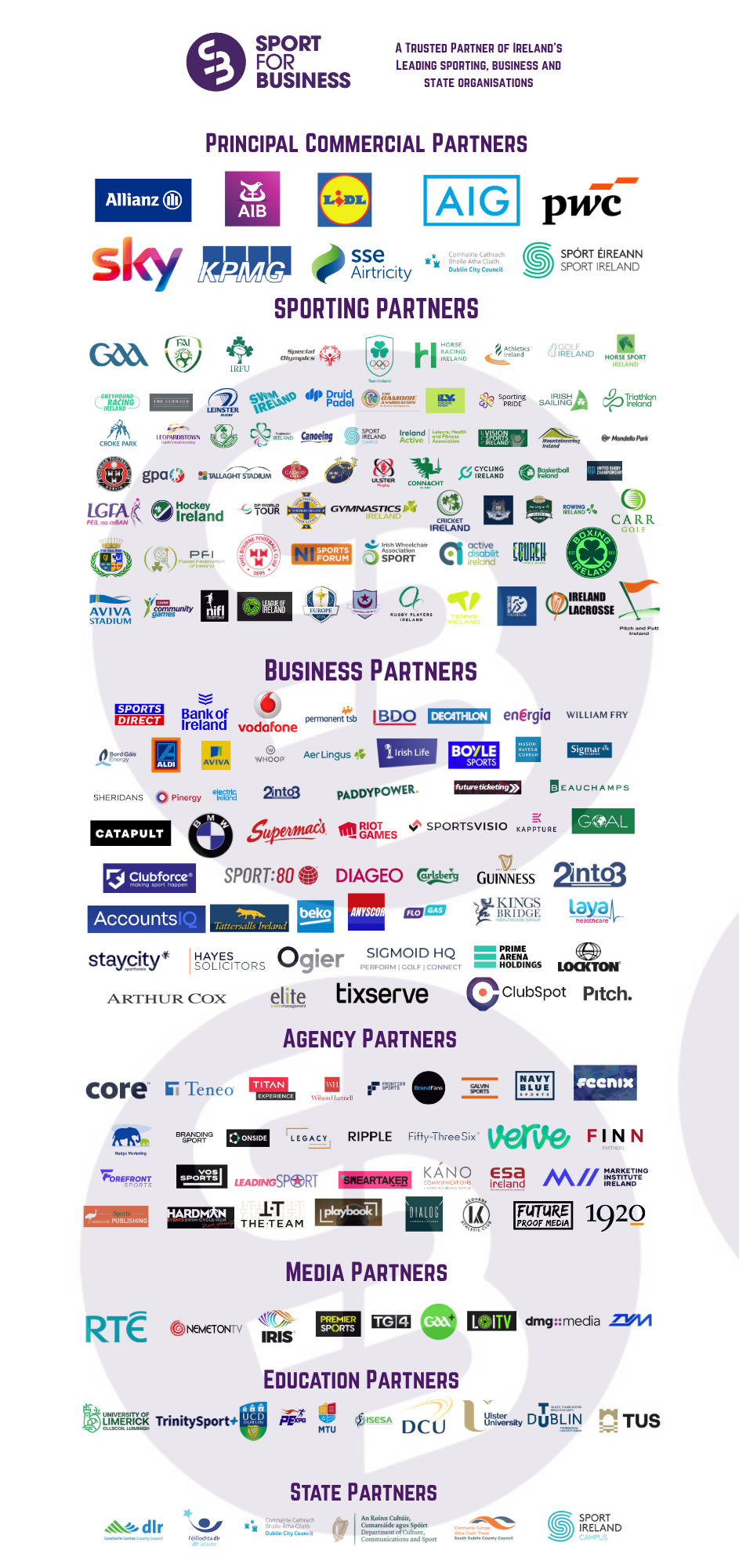
Commercial partners have seen the benefit of building local attachments. Electric Ireland sponsors the minor inter county football and hurling Championships and provides special deals for clubs whose treasurer has the time to search it out.
Liberty Insurance, AIG, and Allianz are among the major insurance companies who offer specific discounts to GAA club members but how many clubs actively promote this as a benefit of membership?
Retailers from SuperValu and Centra to more recently Lidl have signed major deals with different elements of the GAA and activate them through special offers to members ranging from specific local sponsorship to redemption promotions aimed at increasing footfall.
Business is looking intently at the loyalty which club members have and making a play to turn that loyalty into cash.
Clubs themselves need to recognise what they have and develop the right strands, whether through merchandising, local sponsorship or expanding the base of people contributing to their club through Lotto’s, bequests and more.
Another area though where there can be a gap between expectation and reality is in how much a business might be willing to sponsor a local club for.
At national or county level there are clearly seen and well managed assets for a brand to exploit to a wide enough audience to provide a strong return when done well.
At local level that becomes more challenging. To have all the teams of a major Dublin club take to their respective fields in a single sponsor shirt could cost as much as €50,000 and while shirts are only one aspect of a deal they are an obvious one. With that as a sunk cost, there a gapos in the logic of what a company can contribute and expect in return.
Sponsors in 2016 are looking ever closer at how they engage with those who love the team or property they attach themselves to. Clubs can have a part to play in that but unless personal patronage is part of the decision making process it is unlikely to yield the crock of gold that many might hope for.
Better then to look local, deliver well and build up a store of goodwill from those within the community who can divert some sponsorship towards the club and get a return.
That’s what teamwork is all about.
Rob Hartnett is the founder and CEO of Sport for Business, a publishing and networking community where Ireland’s leading businesses and sporting organisations learn to work smarter together.