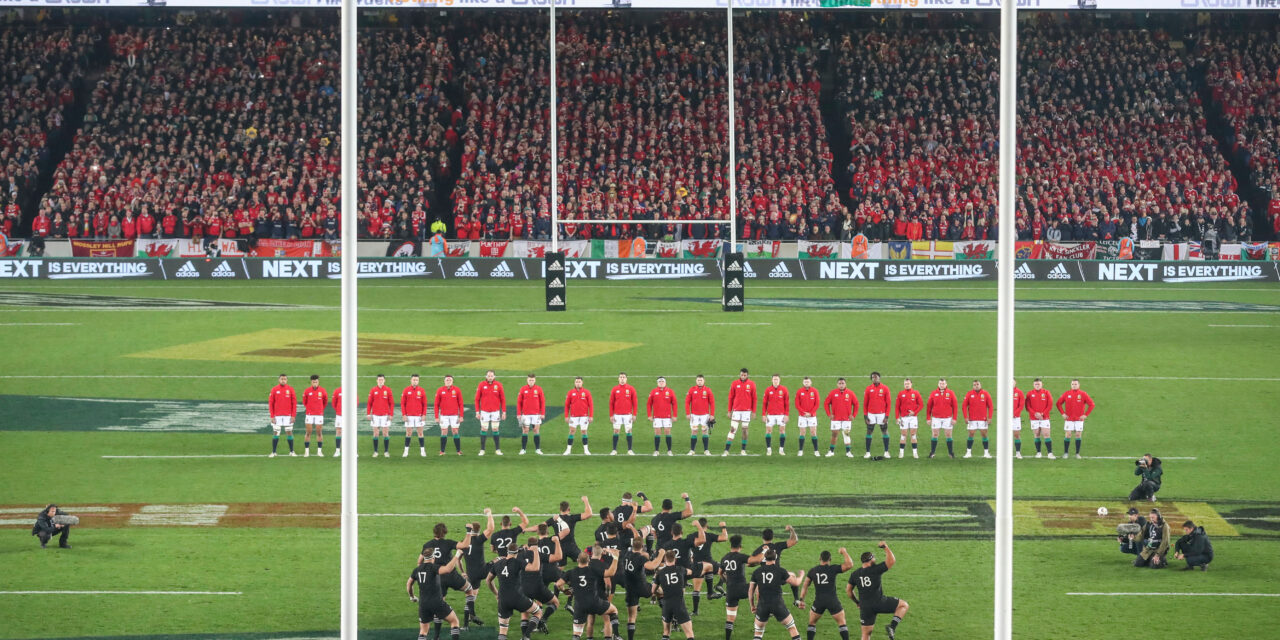
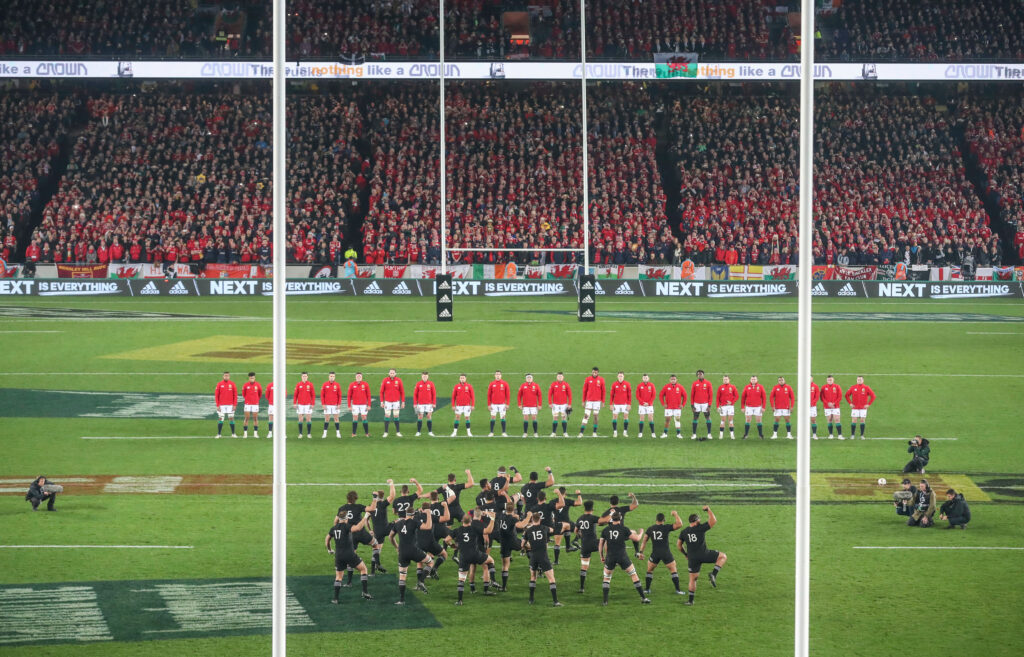
 The value of the British and Irish Lions to the countries that host the quadrennial tour was laid out in stark relief yesterday when New Zealand Rugby published their annual accounts for 2017.
It was worth a staggering NZ$40 Million (€23.7 Million) in incremental profit for the New Zealand Rugby Union, turning an NZ$7 Million (€4.15 Million) deficit in a normal year into an NZ$33 Million profit.
This is broadly in line with the AUS$35 Million (€22.16 Million) profit made by the Australian Rugby Union in 2013.
Announcing the results yesterday NZR Chief Executive Steve Tew said the DHL New Zealand Lions Series had come in slightly ahead of budget and delivered positive results across the board.
“The DHL New Zealand Lions Series has always been a major part of our 2020 Strategy and we are very proud of the way it was delivered to our fans and stakeholders.”
“Ultimately our goals were to showcase New Zealand to the world, contribute to the country’s economy, ensure the Series was profitable, and to win the Test matches.”
“We didn’t always get the on-field results we were after, but Investec Super Rugby and provincial rugby fans from New Zealand, the United Kingdom and Ireland got in behind their teams and made the Series a fantastic celebration of the game.”
The Lions Series generated an incremental profit of $40 million compared to a normal year when the All Blacks play a three-match Steinlager Series.
According to a Ministry of Business, Innovation and Employment report the Series directly contributed $245 million to the country’s GDP, giving an indication once more of the lost opportunity that came for Ireland from missing out on the hosting of a Rugby World Cup.
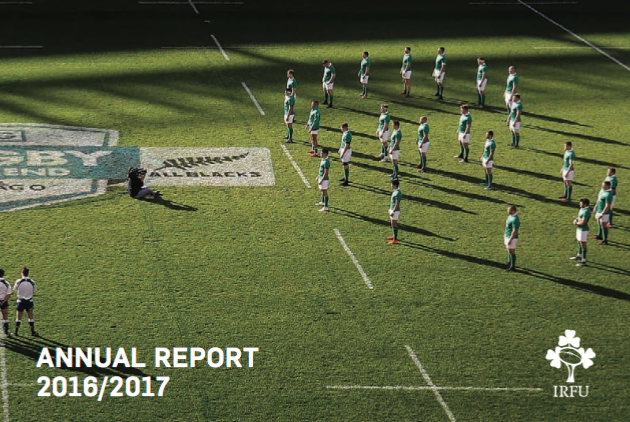
Last year’s income for the Irish Rugby Football Union came in at €76.5 Million, equivalent to around €20 Million less than New Zealand would generate in a normal year and a half what the All Blacks brought in through the Lions boosted 2017.
“The DHL New Zealand Lions Series generated massive interest both here in New Zealand and globally and that’s reflected in the numbers, but it needs to be put in the context of being a one-in-twelve-year-event,” Tew said.
“NZR works to a five-year rolling financial projection and needs to balance its profits with the requirement to future-proof the game in an ever-changing environment.”
“If you look at 2017 we had an unusual number of top quality international rugby matches played on New Zealand soil and as a result, NZR benefitted from a significant spike in income, mainly from increased gate takings and broadcasting revenue. This spike was in our financial projections and provided us with the confidence to invest heavily back into the game, starting last year when we made a loss of $7.5m and going forward.”
“The reality is we won’t have those advantages over the next three years, but we have planned for that and will, therefore, continue to be smart about our costs and where our priorities lie.”
“Our Provincial Unions are on a firmer footing than they have been in the recent past, the women’s programme is growing highlighted by the performances of the Black Ferns and Black Ferns Sevens in 2017, and we are implementing the outcomes of our Respect and Responsibility Review.”
“As well as the seven non-All Blacks tour matches during the DHL New Zealand Lions Series, the All Blacks played seven Tests in New Zealand in 2017 including the American Express Pasifika Challenge against Samoa, three Tests against the British and Irish Lions, and three Tests against Australia, Argentina and South Africa as part of the Investec Rugby Championship.”
The All Blacks’ global exposure contributed to a 14 percent growth in sponsorship and licensing including new relationships with Amazon and Apple and the ongoing support of principal partners adidas, and AIG.
Sign up today for our free daily news digest covering the commercial world of sport or discover the benefits of becoming a full member alongside the many leading organisations whom we serve.