Sponsorship at the highest level is a very big money game with official partners at the FIFA World Cup paying anything up to €25 million to be associated.
At the lower end though category sponsorship has opened out to provide access to major events at a much lower cost of entry.
Yesterday it was announced that a local Scottish brand called Genius was to be the Official supplier of Gluten free baked products to the 2014 Commonwealth Games in Glasgow.
The CEO of the Games was quoted as saying “We are pleased to welcome Genius Gluten Free as the latest member of our Sponsor Family. This gluten-free food option at the Glasgow Green Live Zone adds to the huge diversity of food available for those attending the Games.”
Pace
Such is the pace of announcements as the Games counts down to its opening in August that Genius has yet to be added to the list of supporters on the Commonwealth Games website.
When it does it will become the 25th Official provider, sitting just below the 13 Official supporters and the six official sponsors.
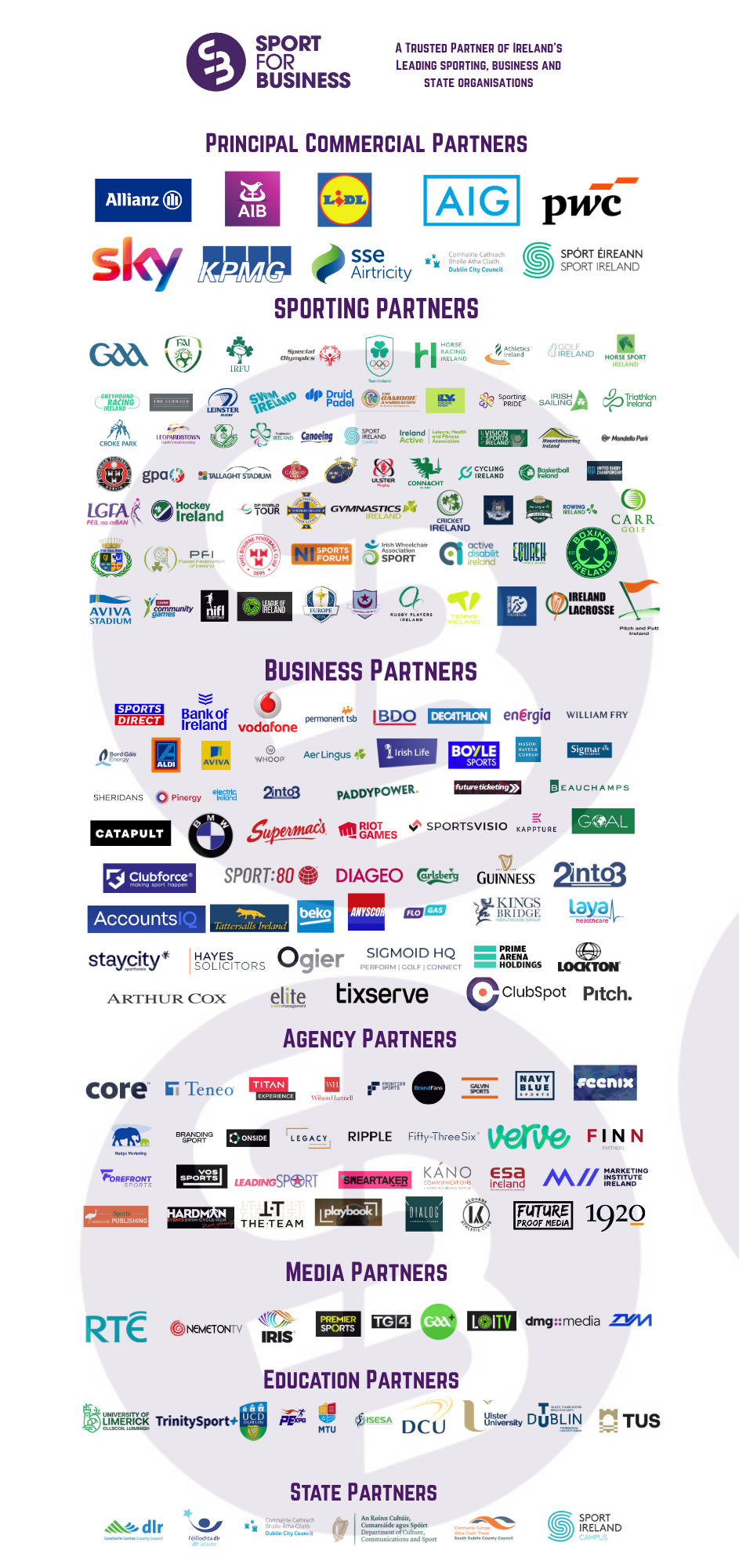
That’s rapidly approaching 50 different brands who have paid varying amounts of money to sell their services or attach the event’s brand to how they sell themselves to the broader community.
There will be clashes of degree between some of those involved and the balancing act is a delicate one to strike but no more so really than brands competing for a share of voice in newspaper, online or broadcast advertising and promotion.
Exclusivity
 The Rugby World Cup which will take place in 15 months time has a more exclusive feel to it at present with four main worldwide partners and three official suppliers but that number too will grow.
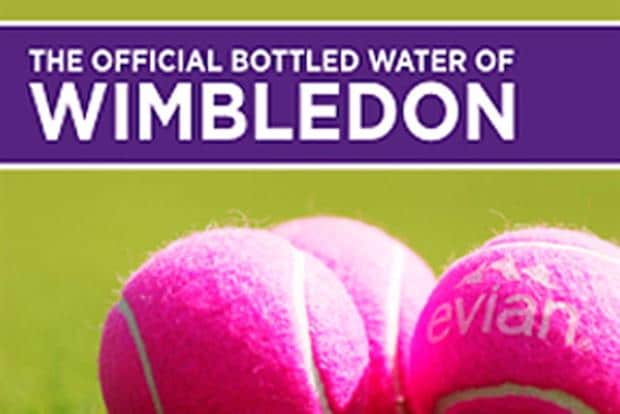
Wimbledon is famously reticent about lending its title rights to a commercial sponsor but it too has 12 official suppliers, with Slazenger dating its association back to 1902 and Stella Artois coming on board as the official beer only this year.
The Champions’ League model of shared top line sponsorship has increased income at the top and the lower reaches of the sponsorship scale.
The value that sport delivers in terms of engagement and reach means that we are never likely to return to days when one brand can own an event of global importance on its own without a massive injection of cash that will be increasingly difficult to justify across fragmented audiences.
Partners
Expanding the range and number of partners will help to promote events beyond the core ability of a rights holder to draw attention to their event. Every major one that goes down the multiple path makes it more acceptable to the public to have their form of entertainment subsidised by brands that believe they will appeal to them.
The challenge then for brands, having bought their place at the table, will be to show enough daring and imagination to activate in ways that will catch the attention, just as Three has done this week at Wimbledon, despite their not being an official supplier but also not competing with an official provider in their category.