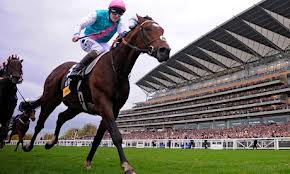
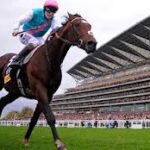
 Horse racing is a sport which lives and thrives on tradition. The value of Frankel, the wonder horse who retired with a 14th straight victory at Ascot on Saturday will rise and revisit the sport through his new career at stud.
To its credit though, it has been willing and eager to experiment with new formats in recent years and is reaping a fair reward.
Saturday’s meeting at Ascot was a 32,500 sellout. Champions’ Day had a difficult birth as race programmes across the autumn were pillaged to create a stand out single day for the sport to garner much wider interest than a collection of smaller days.
The Champion Stakes which Frankel won had previously been held at Newmarket but that racecourse struggled even on it’s marquee days to draw a crowd much beyond 15,000 and the decision made was a correct one both for racing fans and those the sport needs to attract from a wider catchment.
The real benefit is that Ascot’s crowd was unmistakably drawn by the sport. Concerts by Sir Tom Jones, Jessie J and Madness have been responsible over the summer for increased attendance at race meetings but that had little to do with one horse running faster than others.
Saturday was all about thoroughbred racing and the fact that the script played out as hoped will encourage many of those who enjoyed the adrenaline rush to come back again.
There is little ‘wriggle room’ for the sport to shift to particular trends or capitalise on star turns when they emerge. The European race pattern has existed for centuries and proscribes a rhythm to the season that is inflexible but that does create a narrative, especially when stars like Camelot or Frankel are around.
Racing’s core audience tends to focus on dates in the calendar and attempts to change are not normally welcomed.
Within that framework though there have been successes of imagination. Top Irish races at the Curragh and Leopardstown have shifted over recent summers to embrace later start times and been rewarded with higher TV audiences, hopefully filtering through to bigger attendances as has been the case across the water.
The Punchestown Festival in April has survived the massive hit to its corporate hospitality appeal caused by the recession through shifting its start times later in the day and winning a larger walk up crowd.
Racing has always had its big days and major events, from Cheltenham to the Grand National and Punchestown.
By drawing some of the bigger flat racing stars together the hope and belief is that many of those who were excited by Frankel at Ascot on Saturday will be equally so when his sons and daughters start racing at the track in three years time.
Frankel may be owned by a Saudi Prince and trained by an English knight but he has a strong Irish background as well. His Father was Galileo who won the Irish Derby and Champions Stakes. He was ridden to all his victories on the track by Waterford born Tom Queally, and in all his training sessions by Dubliner Shane Fetherstonehaugh.
Horse racing in Ireland often pleads for special status within sport in terms of approaches to funding. When the reward is playing such an integral part on a major international stage those claims are difficult to argue against.
Only a portion of the estimated €150 million value of Frankel will filter back to Ireland but without investment here, it would all go elsewhere and the economic and reputation benefit for Ireland is worth the price that is paid.
View all the latest news on the commercial side of Irish sport
Find out more about how Sport for Business can be of benefit to you
Subscribe today for the free Sport for Business daily news digest
Frankel sellout drawn by sport