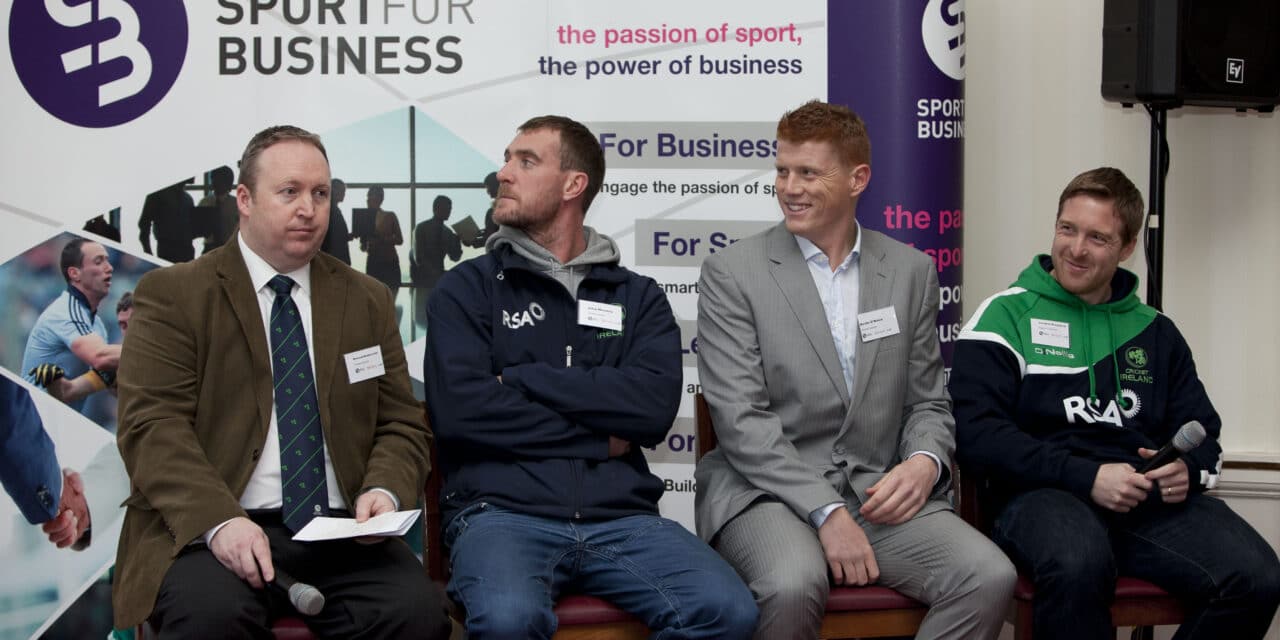
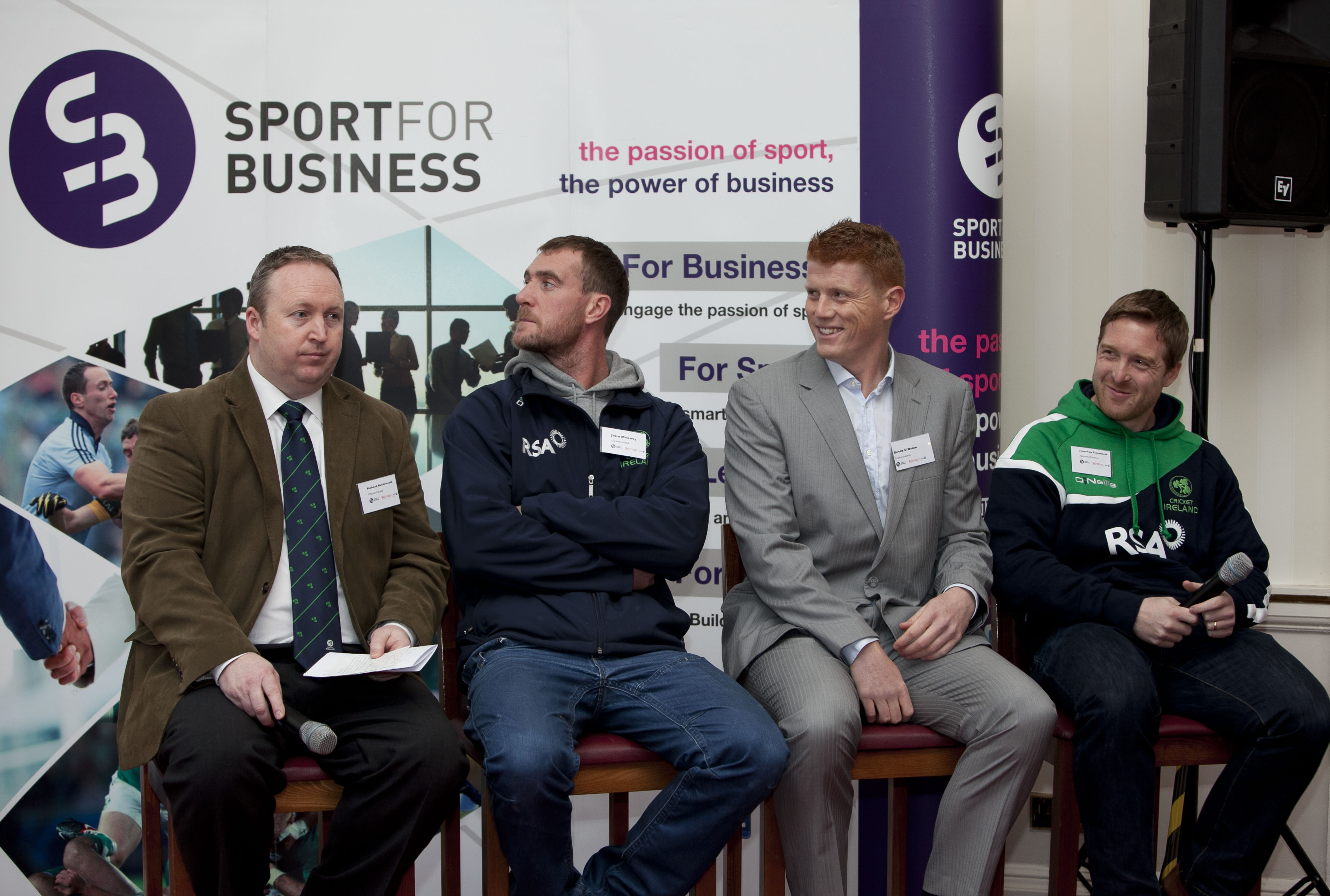
 0930 From Boxing and the Olympics to the Irish Cricket team. We are joined by Kevin O’Brien and John Mooney from the national team that will compete in this year’s 2020 World Cup; by Performance Director Richard Holdsworth and Johnny Bloomfield of Support 2 Perform.
Cricket Ireland has committed to sports science to improve the support it gives to players and increase the chances of success on a global stage.
“We saw the benefit and put the right systems in place so that our coaches and players can feel confident about getting the right data to make a difference,” said Holdsworth.
“At first some of the lads were slow to subject themselves to this level of scrutiny,” said Mooney, “but that quickly changed to a point now where we want as much as possible.”
“We have a plan and we can discover how well we are, and how well we can train before we even start in the morning.” “That was critical in terms of our being the only team to emerge through the Intercontinental Cup in Dubai without a single injury last year.”
“Keeping all of our key players available right through to the end of a punishing schedule gives you an edge and the tools of analytics we have at our disposal now are vital,” said O’Brien.
“We stay on top of the right trends and monitoring equipment to support the lads, and the women’s team and development squads with exactly the right level of information,” said Bloomfield. “We don’t want to overload people with information that they become blind to.” We measure lots and output what is likely to make a real positive impact. That’s where the trust between team and coaches becomes such an important factor.
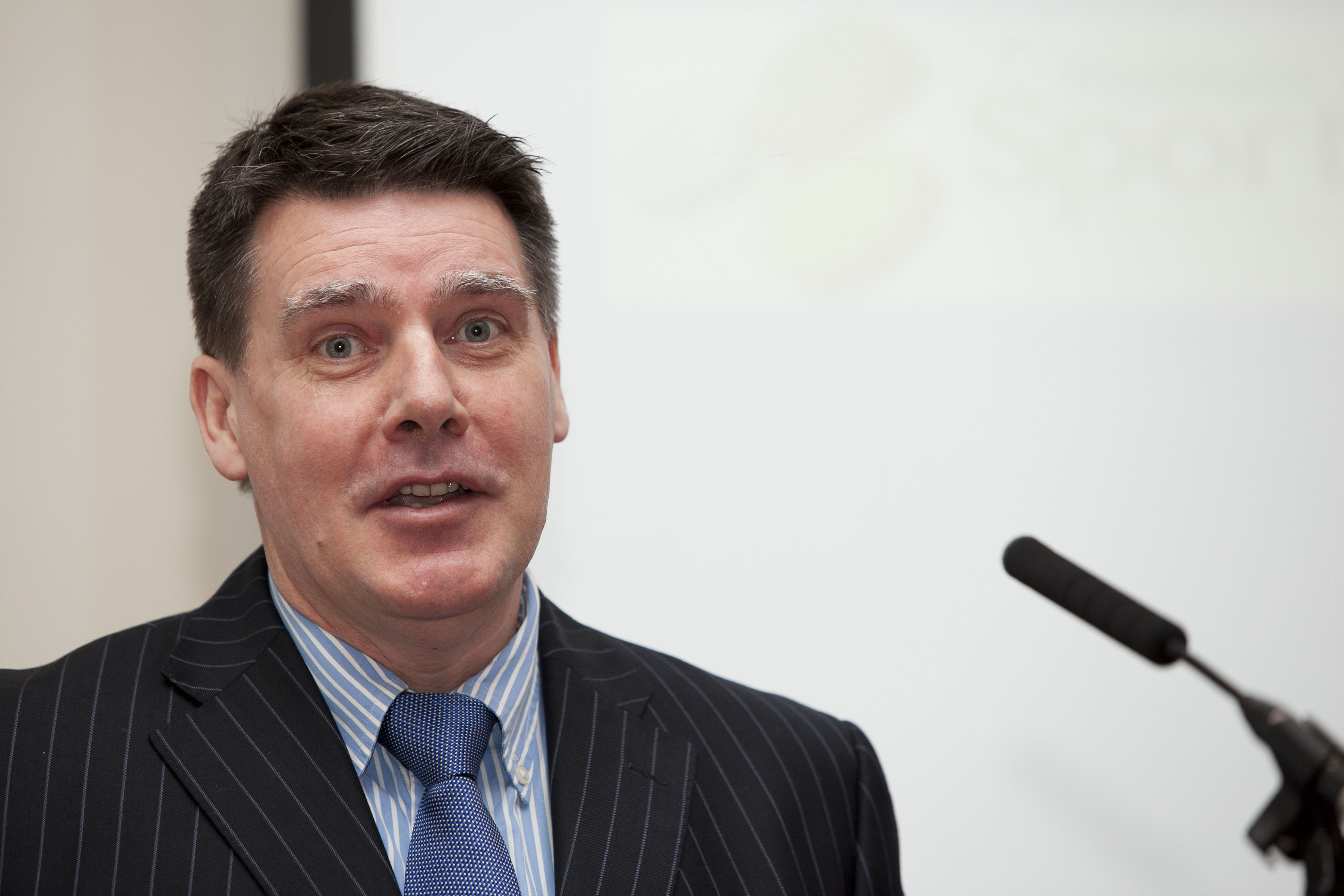 0850 Phil Moore of the Irish Institute of Sport gives a great presentation on how to peak at the right time and then to come down. He covers the minute detail that goes into preparing for athletes and the multiple factors that can impact, but that can be managed if they are known.
Little things on the surface can be of critical importance. Boxers will never shake hands in preparation for a major tournament because of the risk of germs. Instead they touch elbows. The GB rowing team moved from plastic bottle of water to steel to remove the threat of anybody puncturing and contaminating the fluids they were taking on board.
There are a world of small things and big things, from relationships to faith, psychology to sleep that need to be plotted, planned, adapted and developed in order to get to the right place in time.
Getting there is one thing but transitioning back to regular life after a major Championship campaign can be almost as daunting. The Institute of Sport introduced a programme for London 2012 where pyschological profiling and assistance was provided to athletes to assist them in coming down from such a high and to prepare for either the next stage of their life or to recalibrate and get ready for the next cycle.
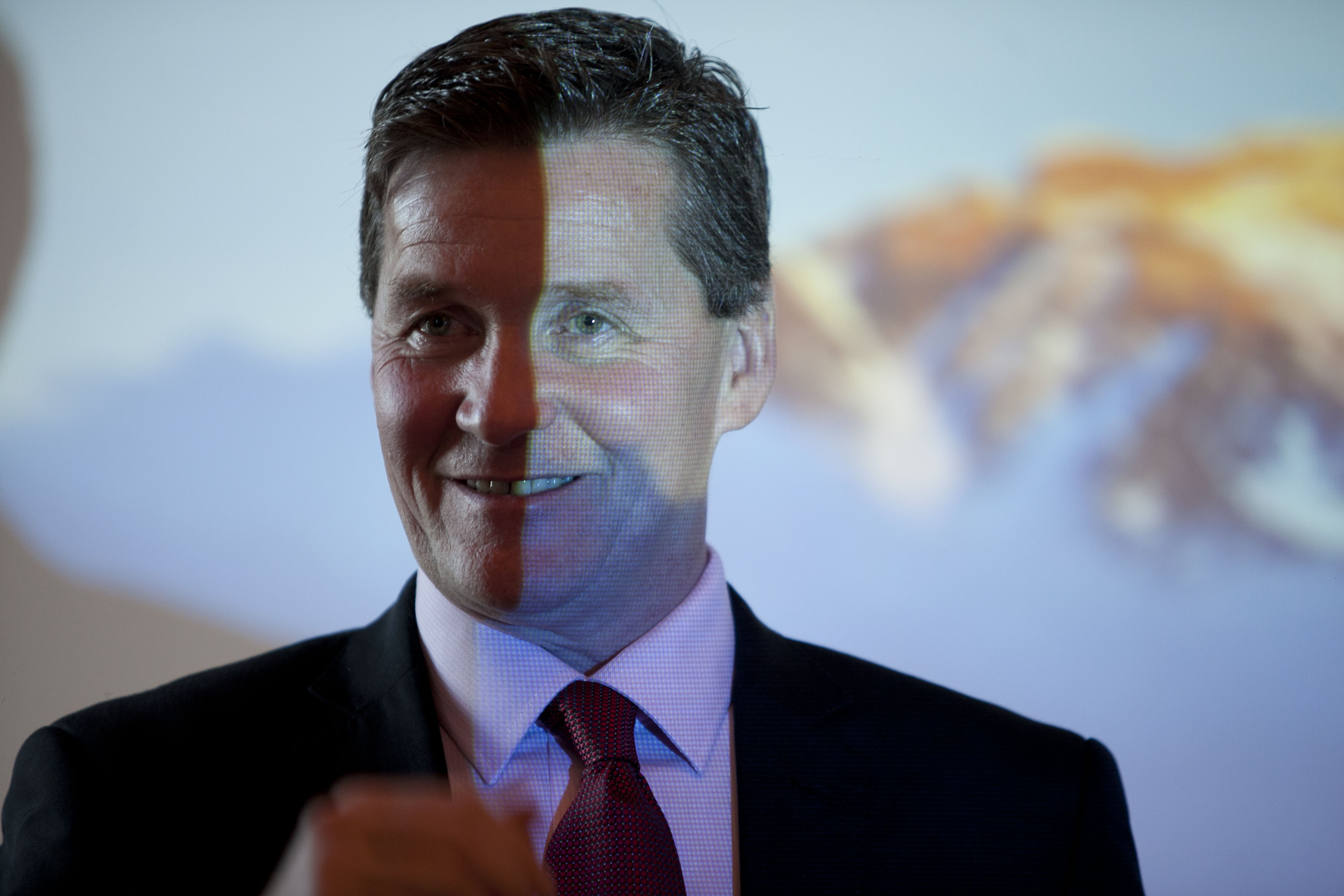
0830 Rob Hartnett welcomes the group and describes the genesis of the idea for the Conference as having been borne of a trip with his daughter and her friends here two years ago. The number of sporting projects on show was such, and grew again in 2013 so he picked up the phone to BT and together they built what we have today.
“It is just a starting point, a bringing together of smart people who together can build a cluster around sports science and technology in Ireland.”
“We have the entrepreneurial spirit, English language, sporting passion and ability to build relationships that can turn us into a European base for this rapidly growing sector.”
An energetic champion in Sport for Business with backing from a supportive Government and a collaborative business community can make anything happen and we will test that in 2014 before we gather next year for a bigger event as part of this wonderful show.”
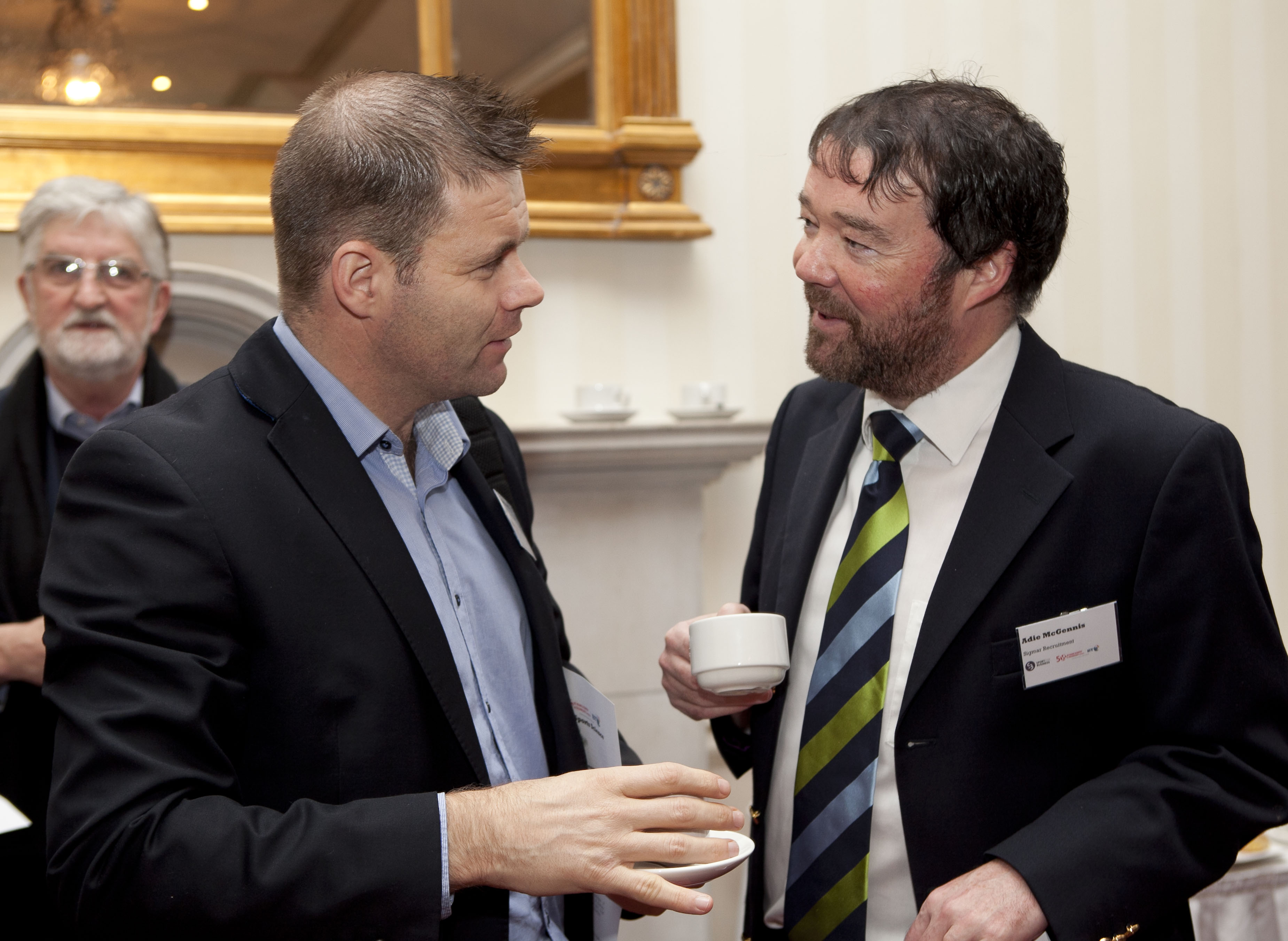 0800 The guests are gathering and the buzz has started. Sport and business know each other from afar but we are always blown away by the positive comments we get from people who tell us they meet people they would never normally get together with when they come to our events.
Today’s audience includes Dessie Farrell of the Gaelic Players Association and Adie McGennis of Sigmar Recruitment as well as 100 other leaders with a good balance between the two sides of our membership, as well as a number of students and start up companies.
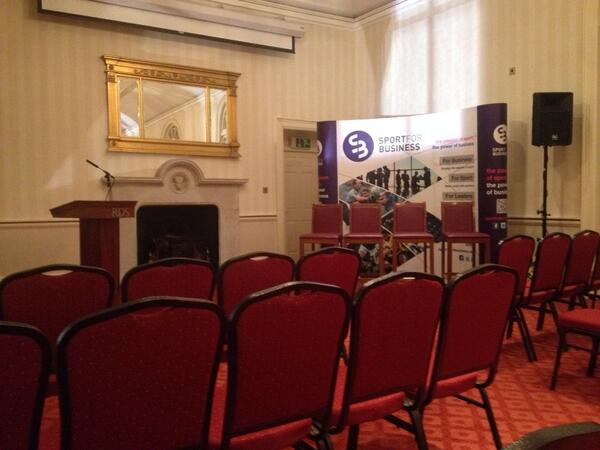 We will be live throughout this morning from the Business of Sports Science conference being held at the RDS as part of the BT Young Scientist and Technology Exhibition.
This is a first of its kind gathering in Dublin and has attracted a high class list of speakers including Jamie Hindhaugh, Chief Operating Officer of BT Sport and the man who delivered the BBC’s multi channel coverage of the London 2012 Olympic Games; Phil Moore from the Irish Institute of Sport; Richard Holdsworth, Kevin O’Brien and John Mooney of Cricket Ireland on how the appliance of science has helped them and their sport reach new heights and Pat Daly of the GAA on the future of coaching.
The event is a complete sell out with an audience of 100 drawn from the vibrant community of Irish companies involved in building sports science applications across player performance and fan engagement as well as senior business leaders and investors, the Government and sports governing bodies.
“Sport on a global basis is worth a conservative €400 Billion, that’s bigger than the economies of most countries and twice the size of our own,” said Conference host and Sport for Business Founder Rob Hartnett. ”The value of marginal gains at the highest level is enormous and that is fuelling a powerful surge in the development of scientific ways in which sport is analysed and improved.”
“We believe there is a case to be made for Ireland playing a key role in the future development of analytics and sports science, and this Conference will be the kick off point for some smart initiatives around the sector.”
“It is wonderful to be part of the BT Young Scientist Exhibition which has been such a staple of Irish education and technology for five decades.”
“Sporting projects have been on the rise within the Exhibition and sport is a point of reference for young students that can bring science to life. This is an exciting opportunity to bring the worlds of sport, business and education together in a way that can build a very positive role for Ireland in a global market.”
The Business of Sports Science – Part 1