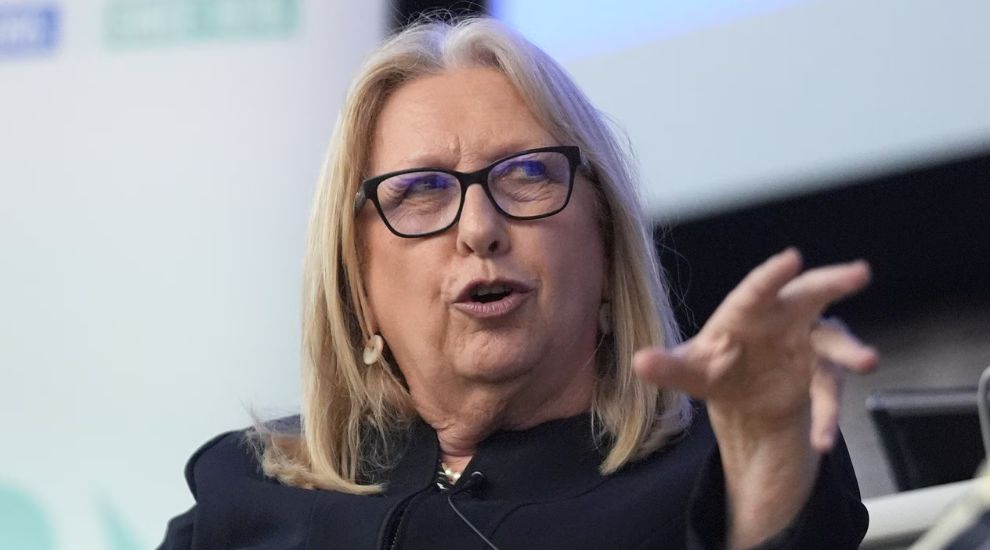
The resignation of Dr Mary McAleese as independent chair of the Steering Group on Integration has prompted surprise, disappointment, and anger that a process that appeared to have gathered considerable momentum has reached such a serious impasse.
Only three months ago, McAleese, GAA Director General Tom Ryan and representatives of the Camogie Association and LGFA were before the Oireachtas Committee on Sport outlining a roadmap towards one organisation and one membership from April 2027.
At that June hearing, Ryan said the process was aligned with the timeline for reaching April 2027, while McAleese said the near-final roadmap would go before the management committees and then to Special Congresses of the three associations in October.
Now McAleese has resigned, those Special Congresses appear to have been derailed, and the GAA has requested a pause in the process while reconsidering the approach, with RTÉ reporting that an extension of as much as five years has been proposed.
That represents a remarkable change in circumstances for an integration process that began with overwhelming votes at the three associations’ Congresses in 2022 and has occupied hundreds of volunteers and administrators through four years of consultation, working groups, and detailed planning. A GAA update last year put combined support for the original integration motions at 92 per cent.
Integration is already visible and working well in many clubs that operate the One Club model, so we know that it can work. In a modern world where differences of attitude and opportunity based on gender are rightfully consigned to the pages of history books, this is a bizarre turn of events.
Breakdown
McAleese’s appearance with Marie Crowe on RTÉ Radio 1’s Inside Sport last night transformed what might have been presented as a disagreement over timing into a much more fundamental question about relationships, trust and leadership.
She described herself as “absolutely devastated” and was scathing about her engagement with the GAA Management Committee, describing it as “less than impressive”. Most significantly, she said that in her view “the commitment to integration has evaporated”.
She questioned whether resistance to having women represented at the highest levels of decision-making drove the change in direction. That is a serious allegation, and the GAA leadership will now be under considerable pressure to address it directly.
This body may be thought of as a throwback group of older men in blazers, but it is not. The group already has a fairly even gender balance, and this decision, if it is as portrayed, runs counter to the votes at Congress that should drive policy direction.
McAleese also said she had been shocked by the apparent change in position of GAA President Jarlath Burns and the re-emergence of the possibility of a federation rather than the single integrated association she had been asked to deliver. Burns had publicly discussed a federal-type structure earlier this summer, despite the Steering Group having previously proceeded on the basis of one association.
Integration was never presented as meaning that every club, county and national structure would magically merge on one date in April 2027. The immediate objective was one organisation and one membership, followed by a managed transition towards fuller integration.
What McAleese appears unable to accept is abandoning that agreed starting point without a defined alternative.
There have been whispers about costs and whether this means a county board would have to invest the same amount of money in preparing a Ladies Football or Camogie team as it does in the Men’s. That doesn’t happen yet in Rugby or Football at the highest level. Commercial revenues still differ between the genders, and that will take time to change. But at least those two sports, and every other, are moving in the inevitable direction of equality.
Different Tones from the Three Associations
The responses from the GAA, LGFA and Camogie Association also illustrate the difficulties the project now faces.
The GAA thanked McAleese warmly for her contribution and insisted it remains “firmly committed” to building a single association. It said work during 2027 would turn stakeholder feedback into refined principles, structures and a detailed sequential workplan.
That statement, however, does not provide a new completion date.
The LGFA struck a noticeably different note, saying McAleese’s resignation came “somewhat unexpectedly” after what it understood to be constructive discussions at Monday’s Steering Group meeting.
It remains committed to integration and said it believes the progress already achieved demonstrates sufficient goodwill to continue the process positively.
Camogie Association President Brian Molloy was more explicit in sharing McAleese’s disappointment.
He said her departure was a major loss and that while there had been significant concerns around the agreed 2027 objective, he believed “none were insurmountable”. The Camogie Association continues to support the vision established in 2024 of One Club, One County, One Province, One Congress and One Association.
Players Demanding Answers
The Gaelic Players Association has also reacted strongly.
It said the democratic mandate for integration must be respected and pointed to the overwhelming support expressed by players, Congress delegates and the wider memberships of the three organisations.
The GPA is seeking clarity from the GAA on what changed, how the decision was reached, what governance process it followed, and why the change was not raised when the players’ body met senior GAA leadership only days earlier.
It has warned that players will not accept an indefinite delay or retreat from the commitment to integration and is consulting its membership on what action should follow.
The GPA completed its own integration of the men’s and women’s players’ associations in 2021 and has repeatedly identified integration of the governing bodies as non-negotiable.
Political Pressure Building
Political scrutiny will now also increase.
Oireachtas Sports Committee Chair Alan Kelly described the development as disappointing but not surprising and called any further delay a regressive step. He has said the GAA, LGFA, Camogie Association and senior figures involved in the integration process will be urgently invited before the Committee.
Fine Gael Senator and Deputy Chair of that Committee, Evanne Ní Chuilinn was sharper still, questioning how a decision of this magnitude could emerge without apparent advance knowledge among the GPA, Sport Ireland or Government officials.
She also highlighted the uncomfortable symbolism of the timing: only days after more than 80,000 people packed Croke Park for the final fight of Katie Taylor’s career, Gaelic games finds itself embroiled in a controversy over equality and women’s place in its future governance.
Sinn Féin sports spokesperson Joanna Byrne has similarly criticised the apparent retreat, pointing back to the positive presentation made to the Oireachtas Committee as recently as June and questioning the GAA’s commitment to equality.
Government frustration has also been reported, with senior GAA leadership expected to face direct questions over how the new position was reached.
Sport for Business Perspective
The greatest disappointment here is perhaps not that integration has proved difficult. Everybody involved knew that bringing three large sporting organisations, with different finances, cultures, staffing structures, competitions and histories, into one organisation would be enormously complicated.
It is the apparent collapse in trust and shared momentum that is most striking.
McAleese was not an outside campaigner demanding that the GAA adopt her proposal. She was invited to lead a process authorised by overwhelming votes of the memberships and Congresses of the three associations.
As recently as June, senior figures were publicly telling legislators that the project remained on course.
For the independent chair to resign three months later, doubting the commitment of the largest organisation involved and openly criticising its leadership, represents a profound breakdown.
Too much support for integration remains among players, clubs, Government, and the wider Gaelic games community for the project to simply disappear.
But rebuilding the momentum will now require more than statements saying everyone remains committed.
It will require an explanation of what changed, who decided it should change, what happens to the work completed over the past four years and, most importantly, what credible timetable replaces the one that has now apparently been abandoned.
Integration will happen. It is already in place across many clubs operating the One Club model, so the template is already there. The demand from society, both inside and outside the memberships, is not something you can turn off like a tap.
What we have now is that this will open many pointed conversations around funding, sponsorship, player action, clubs, and the long, carefully crafted reputation of the GAA as an organisation.


 The GAA, LGFA and Camogie Association, as well as Dublin GAA, Kerry GAA and most of the main commercial partners across the codes, are full members of Sport for Business. AIB are partners of our Gaelic Games coverage.
If you would like to be part of the Sport for Business community and see your organisation in our content, on our stages, and in the conversation happening every day around the commercial world of Irish Sport, email us today and let’s see what is possible.
Image Credit: GAA

ABOUT SPORT FOR BUSINESS
Sport for Business is Ireland’s leading platform focused on the commercial, strategic and societal impact of sport. It connects decision-makers across governing bodies, clubs, brands, agencies, and public institutions through high-quality content, events, and insights.
Sport for Business explores how sport drives economic value, participation, inclusion and national identity, and how your story can be part of ours.
Through analysis, storytelling and convening the sector, it helps leaders understand trends, share best practices, and make better-informed decisions. It positions sport not just as entertainment but as a vital contributor to Ireland’s social and economic fabric.
Find out more about becoming a member today.
Or sign up for our Daily Sport for Business Snapshot email bulletins to get a flavour of the material we cover.
Sign up for our News Bulletins here.