The Government has sought input from those with an interest in Irish Sport on how to frame a new national Sports policy for the next decade.
This is the first time in 20 years that such a framework will be adopted at Government level and it is a crucial opportunity to put sport into its important context as part of overall Government thinking.
The Key Areas of interest and the Sport for Business views on each are as follows:
Key questions asked within the consultation…
What are the views of stakeholders on existing facilities at the National Sports Campus and their usage? What are the success stories? Are there areas for improvement?
The success story is how far the Campus has come since its initial inception.
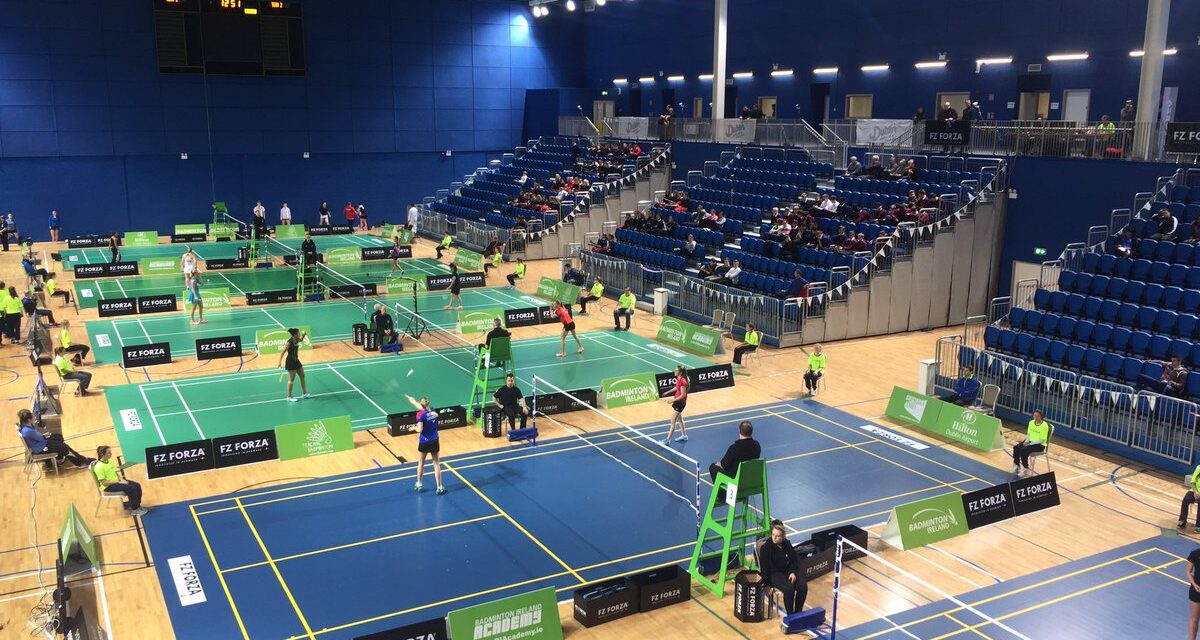
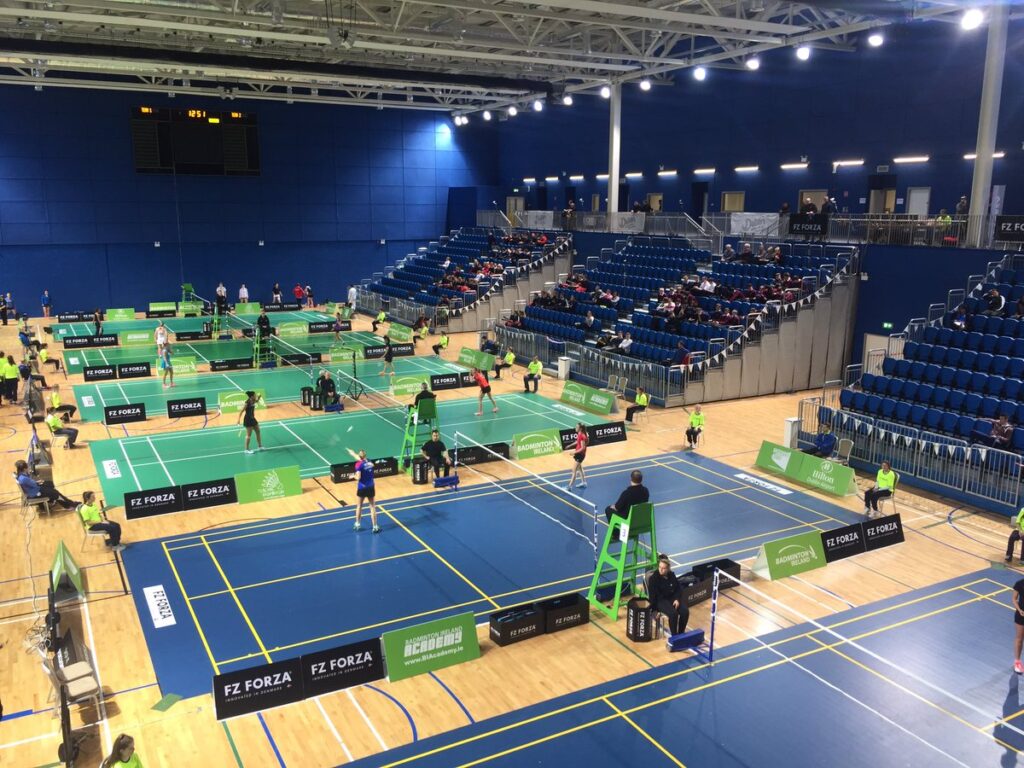
The range and quality of facilities are a match for any in Europe already with the National Indoor Arena due to be opened shortly and more indoor space as well as rugby and hockey facilities, and a hotel on site all at the planning stage.
We now have the facility to stage major Championships in a state of the art facility and to host training camps for domestic, national and international competitors.
Sometimes it is worth taking a step back and taking pride in what has been delivered to date.
What are the views of stakeholders on an overall vision for the Campus and where its primary focus should be, in terms of supporting high performance or increasing participation or is there a viable balance that can be met and what might that be?
The Campus is geared towards high performance. The Institute of Sport on site is equipped to deal with the needs of professionally prepared athletes from a range of different sports.
The collaborative way they can prepare to give their best is better now than it has ever been and that is a winner.
The question of participation may well be encouraged through hosting running and swimming events as has been the case already and opening up the knowledge of the facility to a wider base.
Pitches tend to be the preserve of individual clubs but I have already been out for an U9 GAA blitz using the GAA Development Centre hosted by Na Fianna. Enabling clubs to host special invitation events on the pitches can apply to all the major field sports in time and should be seen as a way to optimise use, generate a modest revenue stream and spread the word of what we have.
What should be the priorities for the National Sports Campus over the medium term?
Clearly the facilities of the National Indoor Arena need to be made work and seen to be working. National Governing Bodies need to approach the use of the facilities in a way which makes them viable while at the same time not cutting out entirely those facilities elsewhere which may have served them well thus far in their growth.
An on-site hotel or close links with the Crowne Plaza nearby need to be developed to the point where the Campus management can put forward a compelling proposition to teams and federations around the world that this is a venue second to none where they can train and prepare.
The bidding for major Regional tournaments should also be prioritised in order to spread the word about the facility. New partnerships with event promoters should be fostered so that a calendar of regular and one off events can be created to fill the space that is there.
Sport for Business is already working on one such initiative which could bear substantial fruit in the next five years.
What different models should be considered for financing of Campus facilities, for example Exchequer funding, borrowings, philanthropy, private sector investment, sponsorship etc.? What steps might be needed to ensure the appropriate balance as between sports policy objectives and financing objectives?
Given that the Campus is a multi sport, collaborative effort there will be challenges in seeking sponsorship that does not cut across the main partners of the main sports. That is not to say it should not be explored but it cannot be taken for granted.
With a substantial part of the capital requirement now already spent or committed it will be necessary to maintain the facilities so that they can grow into being a European leader. The next phase plans for indoor pitches at the Indoor Arena will require additional capital spend but that generates employment, revenue and lasting benefit and it is hoped this will be set aside once the other parts are up and running and seen to be managed well.
A funding split similar to the Curragh Racecourse development could be explored where the money required is sourced equally from three areas of Government, the sport(s) themselves and philanthropic investment.
Without access to the detailed business plan around use of the new facilities it is impossible from the outside to determine whether borrowings would be sustainable in the current phase or indeed whether the corporate structure of Sport Ireland would enable them.
Are there views on the most appropriate model for the development of specific projects already proposed or anticipated to be proposed (e.g. National Badminton and Velodrome Training Centre, Athlete Accommodation) and financing for same?
As above if the project can be seen to be of benefit and the funding to be manageable a blend of sources can be explored to bring them to life.
Collaboration and the use of public money for the public good must be seen as given in order to advance the plans that are already formed for badminton and cycling.
The most important element of talking about such plans must be a strong business case behind them. If a velodrome will be used to prepare professional teams and there is no other such facility in direct competition then that should be factored in to deciding if state investment will be best spent seed funding something which can stand alone in the future.
The Campus should be about what will still be in use and viable in ten years and twenty years time. It should be a ‘field of dreams’ for sport but not one that is based on anything other than genuine and attainable projections of use and income.
Should there be a stronger focus towards generating revenue from the various facilities at Campus in order to cover costs and thereby reduce the overall requirement for subsidy? Are there views on appropriate access/pricing strategies for the various facilities?
Putting a state owned facility in direct competition with other facilities for private use could be seen as challenging.
Developing new income streams and use by international teams and federations would be a more politically acceptable way of looking at revenue generation and there are facilities, though generally in sunnier climes that have made this look possible.
Real competition though from states like Dubai and Qatar may make this more of a dream than reality but it should not prevent management from exploring the viability of varying length contracts to provide out of season or pre season training camps.
promotion to organisations and clubs for ‘special events’ and working with corporate clients for away days with a difference could yield a return with the right approach though there would need to be a better ‘off pitch’ experience in terms of catering and facilities than we are currently aware of.
Join us for a morning of learning, networking and insight on the sporting year ahead and the sponsorship trends that will impact upon us on January 20th. Reserve your place now.