National Adolescent Injury Prevention ProgrammeThe pressures on young players in the GAA, with school, club and other demands, will come under close scrutiny as the result of a new initiative supported by the GAA and run by the Institute of Technology in Carlow.
The pressures on young players in the GAA, with school, club and other demands, will come under close scrutiny as the result of a new initiative supported by the GAA and run by the Institute of Technology in Carlow.
“Training overload, skeletal immaturity and adolescent growth spurts, combined with training errors, poor techniques and mismatched age groups in terms of size, maturity and experience, has resulted in adolescent GAA players being particularly vulnerable to injury,” said Dr. Clare Lodge, a Chartered Physiotherapist and Lecturer at IT Carlow.
She will lead a research programme designed to monitor and prevent the growing epidemic of adolescent sports injuries and facilitate a healthy player pathway from underage to adulthood.
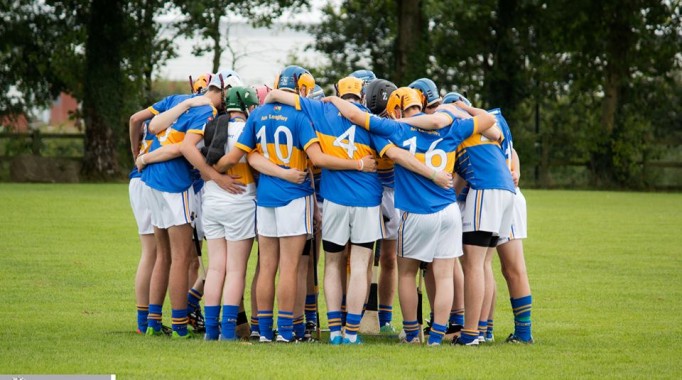
“Young players are often playing for school, club and county, often in more than one age and, as a result, potentially exposing themselves to avoidable injuries”, added Lodge.
“This new research programme will set out to study this vulnerable cohort, surveying the modifiable risk factors as well as assessing the effectiveness of specific strategies at potentially decreasing the incidence of injuries within this sporting group.”
Countries such as the US and Canada are currently leading the way in preventive treatment in adolescent sports injuries with Canada developing a national strategy to address the growing issue of Anterior Cruciate Ligament (ACL) injuries in the adolescent population.
This National Adolescent Injury Prevention Programme will represent the first research of its nature in Ireland that seeks to clinically assess and evaluate the effect of a structured regimen on injury incidence in adolescent players.
The programme will be run out of IT Carlow’s healthCORE campus research centre, with the full cooperation of the GAA, over 24 months.
Participating schools will take part in structured warm-ups, incorporating the five key areas linked to injury prevention, as well as self-wellness monitoring and self-reported injury incidence through a smartabase application.
Coaches and trainers involved with secondary schools in Leinster and Munster are also to be included in the study. They will be educated and mentored throughout the season with a designated sports scientist and required to implement a learned programme at the start of every training session or pre-match participation, during the trial period.
Pat Daly, Head of Games Development & Research for the GAA commented, “The findings of this research programme will have a strong bearing on informing and guiding optimal GAA practice guidelines when evaluating and implementing injury prevention strategies to young GAA teams, with the focus being on the well-being and optimal health of the player.
“It will offer great support to coaches, trainers and managers to optimise clinical care and support for their players. The rising costs of treatment and patient services, as well as high rates of insurance claims for lower limb injuries, also means that the most efficient, economic and optimal measures must be used to minimise injury and reduce costs”.