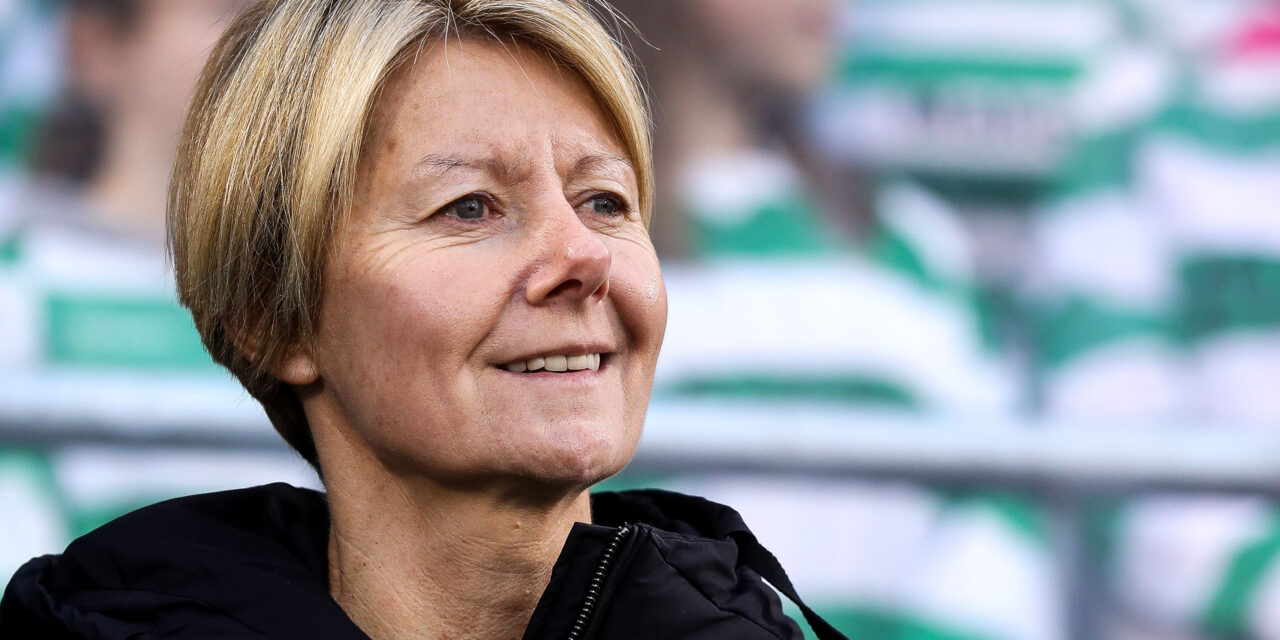
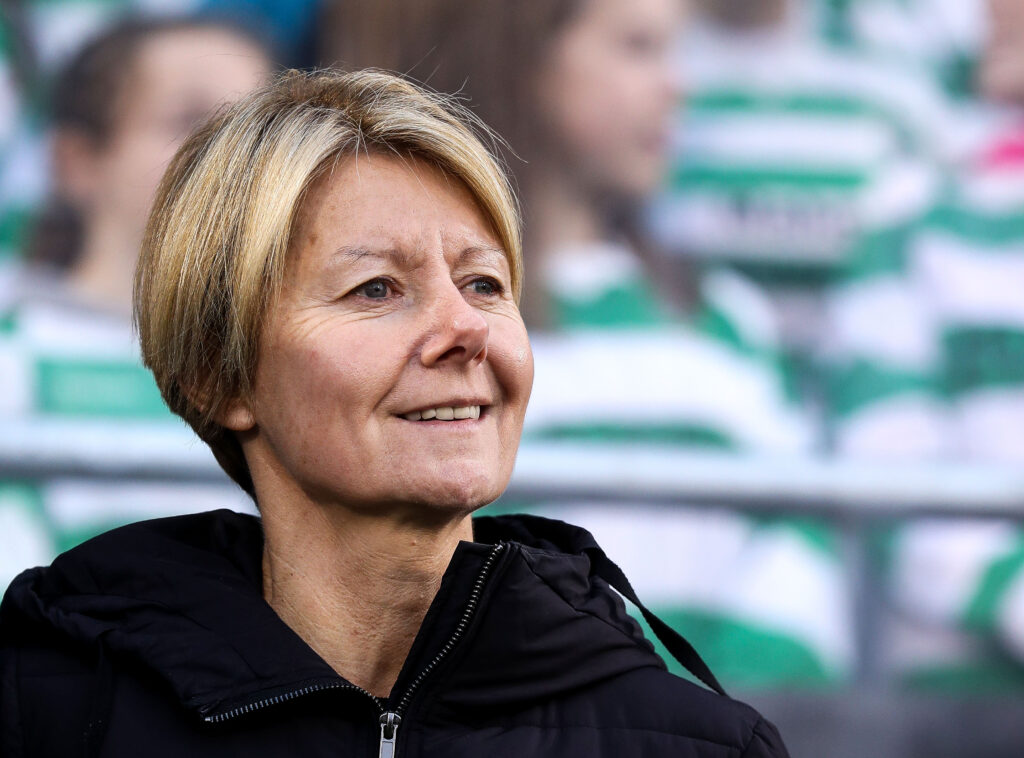
 Sue Ronan ended a six year stint as manager of the Irish Women’s senior team with a win over the Basque Country at Tallaght Stadium on Saturday. This morning she will arrive at the FAI’s headquarters on the National Sports Campus to take up the wider role of Head of Women’s Football at the FAI.
Sport for Business caught up with her at the Aviva Stadium last week to capture her thoughts on where Women’s soccer had come from and where she hoped to lead it in the coming years…
SfB: How many years have you been involved on the sidelines of Women’s soccer?
SR: Well it’s been six years as manager and it really started back in 1994 while I was still playing. Mick Cooke was my manager at senior level and we heard that UEFA were starting to look at a serious effort to promote under age at international level so myself and a couple of other girls got involved managing the U16’s under his guidance.
When I stopped playing in 1996 I took over the U18’s along side him and then when the age groups changed to U19 I kind of took over the management there and stayed with that age group for ten years until 2010.
So 22 years on the sideline as a manager then, and long before that as a player…
So you are taking on a new role now as Head of Women’s Football, how do you see that taking on what you’ve been involved so far?
Well, now I’ll have a helicopter view of all the age groups and will be trying to make sure that we have the best structures in place domestically to ensure we continue to make progress.
We’ve built a new governance structure over the past year. We have eight regions rather than four in order to get closer to what’s happening.
The heart of the game is at volunteer level and my role will be to oversee, to help and to guide that working with the Women’s committee. It’s an exciting time.
What are the first priorities for what you want to achieve?
Well all elements of the game are under the remit. The Soccer Sisters programme for 7-12 year olds has been a great success and an important next phase there will be to make sure the connections to clubs are there for girls as they get older to continue with the game.
We need to make sure the clubs are strong and there is the right structure at each level to help them grow.
At the elite level of the Continental Tyres Women’s National League we are moving to a summer season and I will be working closely with our competitions department to make sure the growth of the league carries on. How we can bring more teams in and help clubs to raise the standards all round.
Al of that will feed into helping our national teams compete at european and world level in the coming years.
The first priority was getting the governance structure right and I’ve been travelling the country meeting those regional groups and getting an understanding of the different levels they are at.
What priorities we have in the Eastern Region where we have a strong league structure will be different from other areas where there is less activity and more of a blank canvas to build from the ground up.
The issue with girls carrying on through secondary school is important. Is that something you’d like to see develop?
It has grown over the last number of years. There is a programme in secondary schools which is creating the habit of playing.
The drop off at U16 level is a problem across all sports and across Europe as a whole.
UEFA are coming forward with an overall marketing plan for Women’s football and targeting that age group is a major part. It has some really strong initiatives coming down the line launching in March 2017 and that will help us come up with new ideas and ways to really make a difference.
Is the rise in popularity of the English League and the World Cup going to have a real impact?
Two of the key areas for growth in England have been the success of the national team and the willingness of the big professional clubs to get involved.
There is more money in the game in England but the overall impact is being felt in terms of recognition by Irish girls as well.
We have had talented players moving to professional leagues in England, the US, Scotland, Canada and France and that has brought their game and that of the national team to another level.
The FAI’s strategic plan is a smart, effective and deliverable template and Sue Ronan, alongside the national Women’s committee and the army of volunteers at club and grassroots level will give it the space to create a whole new environment for girls growing into women and playing sport throughout.
Ronan will be one of those attending this Wednesday’s Teaming Up for Women’s Sport where we will hear from Minister of State for Sport Patrick O’Donovan, Chair of Women in Sport in the UK Sally Hancock, Lidl Sponsorship Manager Jennifer Gleeson, Women’s Rugby Captain Niamh Briggs, Paralympian Ellen Keane, Irish Soccer International Louise Quinn and many more on how 2017 can be a winning year for Women’s sport.
Join us at Griffith College Dublin this Wednesday
Let us know your thoughts on Women’s Sport in our short survey