 The Irish Presidency of the European Union and the Irish Sports Council hosted a major EU Conference on Sport at Dublin Castle earlier this month. This week we are continuing our look at different aspects of what was discussed, and considering the long term implications for how sport is organised and promoted.
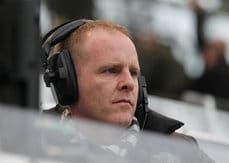
The importance of Broadcasting was recognised with a contribution from Ryle Nugent, Head of Sport at RTE who spoke of the balance that must be struck between free to air and pay TV coverage; the oxygen of publicity that a national broadcaster brings and what RTE needs from sporting organisations in order to provide the most effective delivery of its public service remit.
Challenging Issues
Ryle Nugent, Head of Sport, RTE
“Broadcasting revenue is one of the major strands of sports funding, not only in Ireland but across the world. It sits alongside grant funding, sponsorship, ticket sales and merchandising as one of the five key pillars on how money comes into sport to enable it function.”
“We live in a world where sport has become a main strand of subscription television’s battle for audience. Exclusivity is central to making a consumer part with a regular fee and that is the way that many events have gone, most notably the Premier League in Britain for its live broadcast rights.”
“Public Service Broadcasting though still has a greater capacity to reach mass audiences and has an important role to play within the balance of sport’s overall approach to broadcast revenue.”
“Such balance is exemplified by the UEFA Champions’ League model where you have a blend of certain key games free to air and many more available through subscription.”
“RTE is very much aware of the importance of sport within our schedules and most importantly within the hearts of the general public here in Ireland.”
In order to read more you must be signed in or sign up as a member of Sport for Business. You can sign up for a free trial today and gain immediate access.

[ismember]”In 2012 we broadcast over 900 hours of live or highlights coverage from the major national and international sporting arenas. We produce 24 daily sports bulletins on national radio and have two daily sports news slots on television. At weekends we produce magazine shows that extend to four hours of the best of sport on each of Saturday and Sunday. Sport is also a main driver of our digital output with news and live streaming an important part of what we do today and what we will do tomorrow.”
“There are many factors that go into a decision on what we can and sometimes cannot broadcast.”
“These include the likely engagement with our audience, value for money, commercial viability, rights costs and the cost of production.”
“In order to give the level of coverage demanded of a mainstream broadcaster you would generally need a three to six camera outside broadcast team for a sporting event and the cost of this would be between €35,000 and €50,000 for a 90 minute show. It is not a perfect science but we do our best to get the balance right.”
“Sports rights are under pressure at RTE in the current financial climate. The Director general gave a commitment that costs in this area need to be reduced by 25% before 2016.”
“The focus then has to be on national teams and what will be of greatest interest to the viewing public.”
“We are competing against some of the best and best funded broadcasters in the world with the BBC, Sky Sports, and from this summer BT Sport being delivered onto the same boxes as RTE.”
“There is a huge challenge in meeting the demand for sport that is at an all time high among the public.”
“RTE does deliver the audience though. When Ireland played England in the RBS Six Nations 715,000 watched on RTE, ten times more than on the BBC. When the republic of Ireland played Germany in the recent World Cup qualifier 511,000 saw, perhaps through their fingers, the game on RTE as opposed to 16,000 on Sky.”
“Even for an international event with no Irish participation, RTE’s ability to generate a national conversation saw it broadcasting last year’s Champions’ League Final to 446,000 as opposed to 50,000 on Sky Sports and 44,000 on UTV.”
“People like to watch the major events through the eyes of their own people and this provides a huge level of oxygen to the sports in question. That in turn drives engagement, participation and sponsorship so we are very firmly part of the mix.”
“Sport has to compete for its place. The overall TV audience on RTE is down 35% since 2000 but there has been a 300% increase in traffic through digital channels since 2008. The audience is changing and we are too.”
“What we need now is for sports right holders to work with us in delivering the best coverage through the most appropriate channels.”
“A recognition of the importance of radio and online as opposed to just TV is important, as is early notice of major events and a recognition that live is not always best.”[/ismember]
The Balance of Broadcasting Sport