One of the most telling statistics to emerge from last week’s Levelling the Playing Field Conference on Women’s sport was the gap between those women participating in sport at the highest level and those involved in its administration.
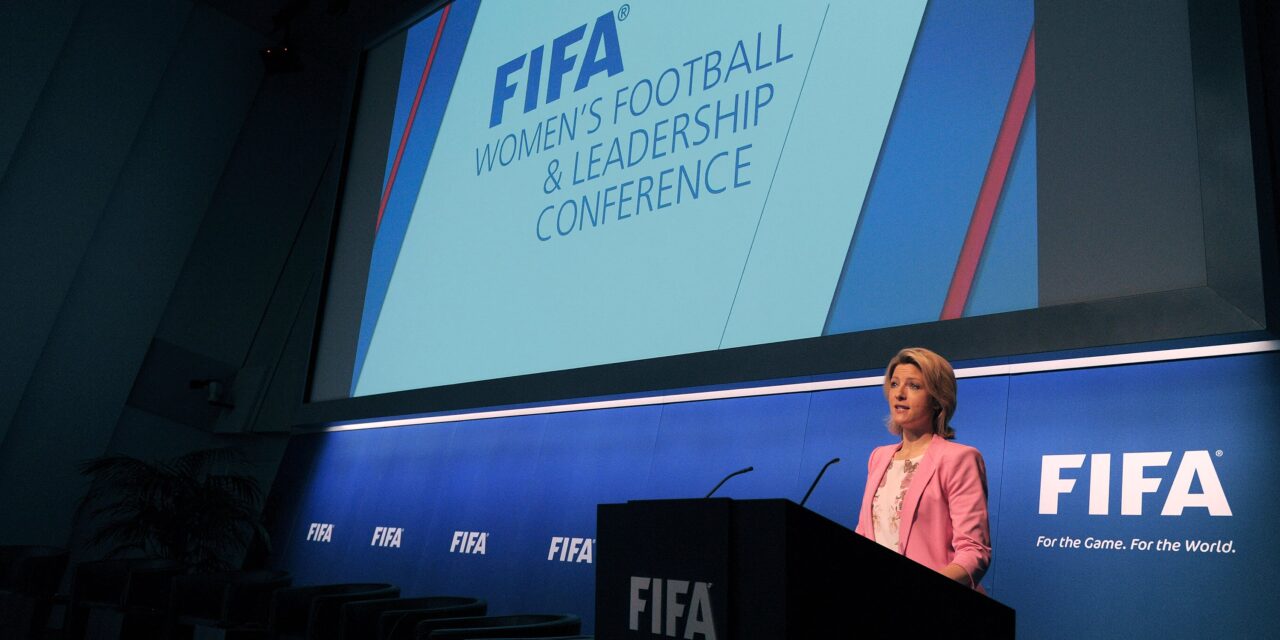
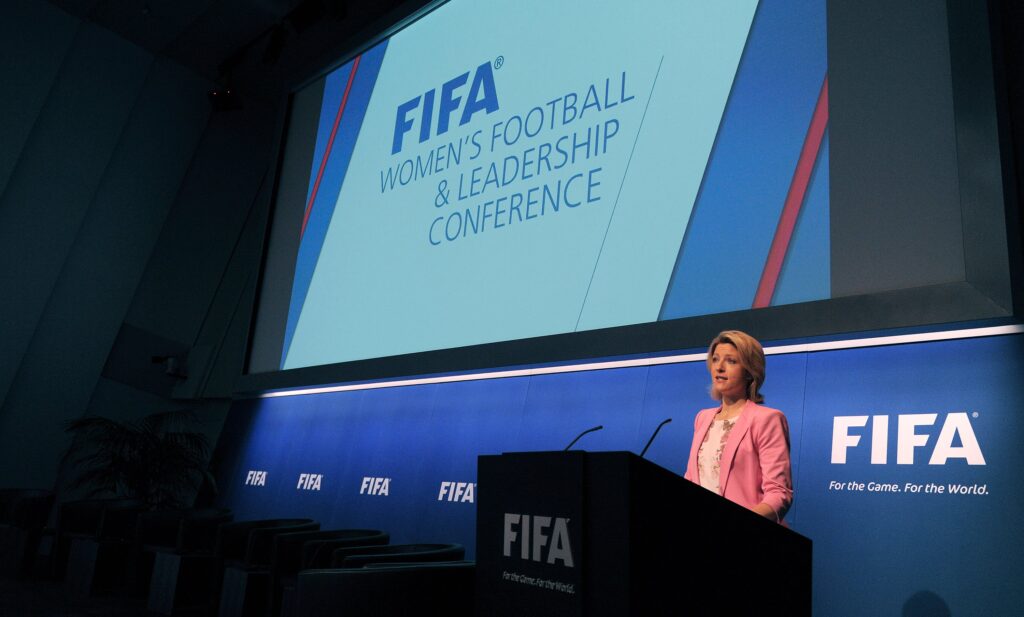
Sarah Keane, CEO of Swim Ireland and a speaker at the event spoke of her attendance at a conference in Poland post the London Olympics where it was revealed that while 44% of those who took part in London were women, the percentage of those involved at senior levels of administration across the global sporting landscape dropped to 15%.
Like in all areas of life where there is such an imbalance between those who are managing services and those who are using them there will be a serious shortfall in effectiveness.
There are many men who genuinely champion Women’s sport and will actively pursue fairness in how resources are distributed but the idea of sport being something of a ‘men’s club’ is hardly dented by a look at the make up of most boards at governance level.
There are major campaigns to increase the participation of Women on business boards, in broadcasting roles and in politics, all visible ways in which equality can be delivered rather than talked about.
In Britain there has been talk of introducing minimum threshold of women’s involvement on National Governing Bodies of sport in order to maintain funding at existing levels.
Sport for Business has spoken to a number of those individuals in sport and business who are playing at the highest level and while the idea of quotas is generally not a favoured option, the support or even forcing of minimum numbers of men and women on boards is.
Given the average make of up a board ranging between 8 and twice that number a minimum allocation of two men and two women to a board is seen as a workable and manageable step towards a more representative make up of those at the top level who are guiding sport in this country.
Sport for Business will always look to include those minimums at each event we are responsible for, such as the recent Digital Future of Sport where Debbie Byrne from Lifestyle Sports and Cliona O’Leary from RTÉ Sport were key contributors.
It works both ways as well. The Audience with Clare Balding we hosted with Liberty Insurance in the Summer included Ryle Nugent in the wider panel discussion held after the interview with Clare.
These things never just happen. Consideration has to be given to genuine equality of opportunity in order to achieve the long term goal of parity of esteem for sport regardless of whether it is played by men or women.
Much of the debate around women in sport focuses on media, sponsorship and participation, including in our own coverage. There needs to be a concerted effort though to address the balance of representation at the highest levels of administration.
This is not just a ‘social’ engineering experiment. The demographic of women supporting sport across the gender divide is changing. The biggest selling lines of merchandise in the New York Yankees store tipped over into a women’s majority in 2013. Change is happening, change is coming and those who embrace it quickest will benefit the most.
Two years ago Sport for Business surveyed NGB’s on the level of women’s engagement within their organisation. The feedback was good in certain areas but there was silence in others. We will shortly revisit that research to see how many of our major sporting bodies reach the level of minimum balance which business sees as important and which sport needs to.

Our coverage of Women’s Sport this week on Sport for Business
Monday:
Inspiring words from an Inspiring leader in sport. Fiona Coghlan speaks out on why we need to normalise sport in girls lives and normalise women’s sport in society.
Tuesday:
‘I jiggle therefore I am’ was the signature caption on a campaign which ran across England during 2015, raised levels of physical activity among women. Could it work in Ireland?
Wednesday:
The Leadership Gap – 44% of those competing at the London 2012 Olympic Games were women but in leadership roles within sport on a global basis the number is only 15%. In terms of behavioural change it seems the biggest challenge will be in this area rather than in pure participation.
Thursday:
The Media Question – It’s one that absorbs those in the media and in sport. It’s also what normalises the telling of the stories around Women’s sport.
Friday:
The Sponsorship Question – We will talk to those who are putting their marketing muscle behind women’s sport across a range of area from gaelic games to rugby, soccer and hockey to horse racing. Are they winning?