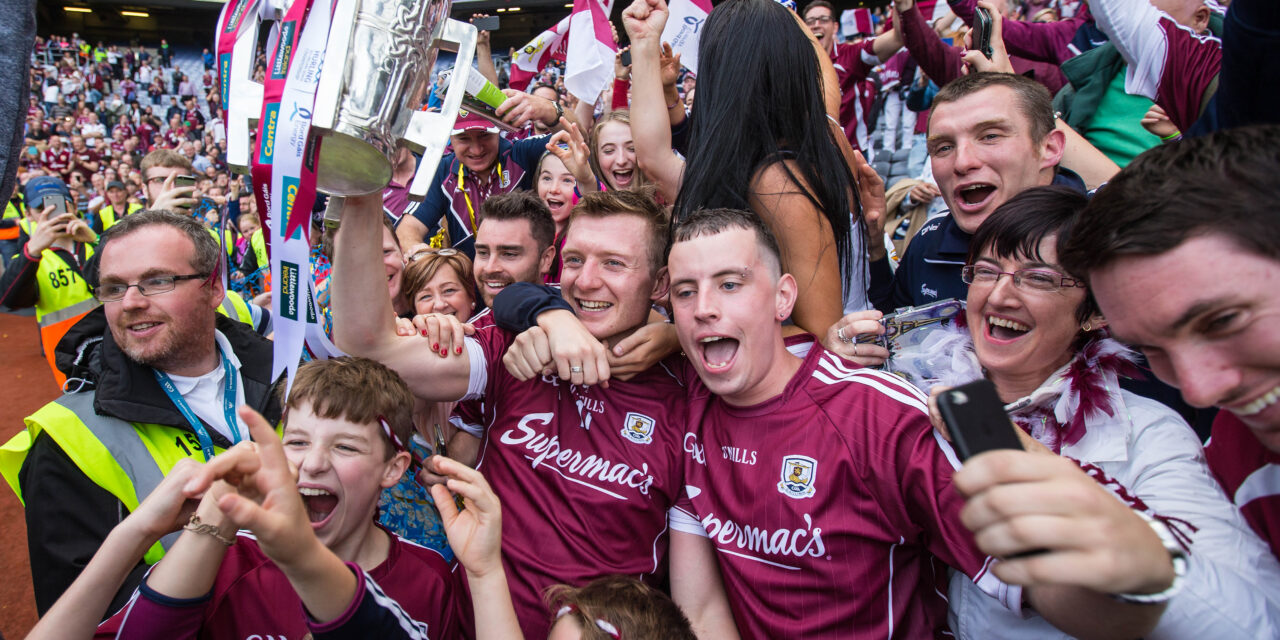
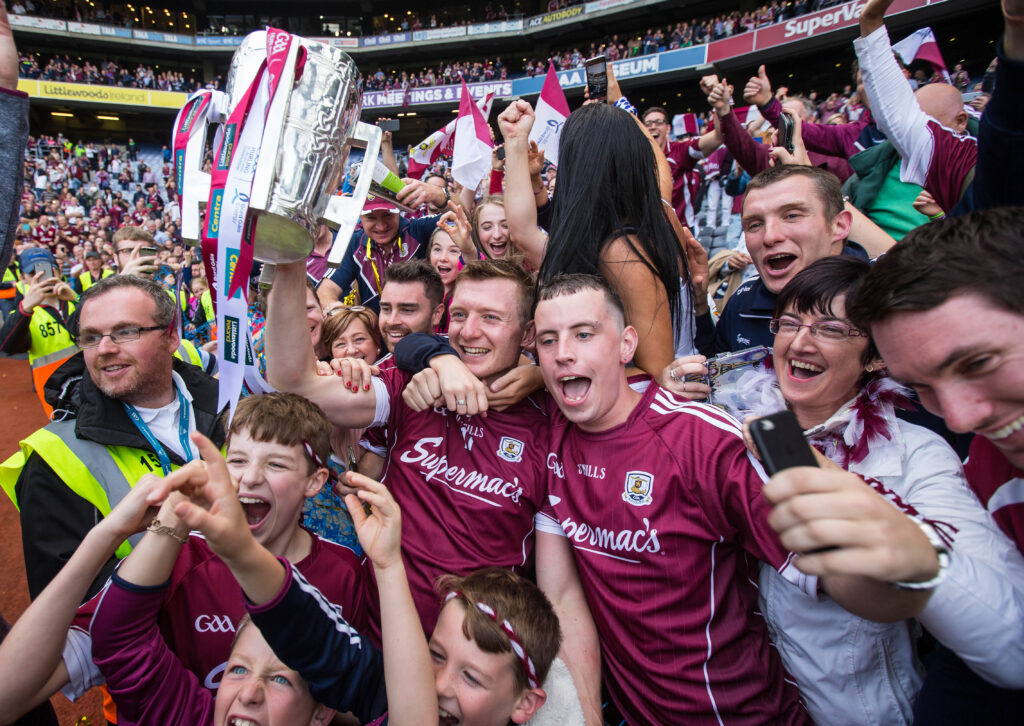
 It was an incredible game, a wonderful result for Galway, and a final that was enjoyed and shared in ways that even last year might have seemed like only a pipe dream.
Saturday night’s Up for the Match on RTÉ Television was a very traditional, time honoured way of marking today’s All Ireland Hurling Final. Coverage of the game on Sunday afternoon, on the other hand, was a long way removed from the way TV covered Finals of years gone by.
The nature of sports broadcasting changes with every passing season and the pace of that change is accelerating.
On Wednesday night GAANow, the GAA’s own digital broadcasting arm, produced its first full-length show streamed live on Facebook. It was freely available to half the world’s population that are on the social media site and took no heed of geography.
No accident
This was a first but it was no accident. The GAA has been planning over a number of years to have a greater part in the broadcast of their own games. They took a lead from Major League Baseball in the United States in terms of forging a broadcast approach that recognised the splintering of channels that was taking place.
The days of a single box in the corner of the good room are long since past and present and future generations have a different perspective on consuming sport.
There will still have been a million of us that tuned into RTÉ yesterday to see Galway’s victory over Waterford, more again throughout the UK on Sky Sports and more again around the world via the Over The Top offering of GAAGo, the GAA’s joint venture with RTÉ.
It provides live action and an increasing amount of support content to a direct subscription market that might pay game by game or may have signed up for a season pass.
No long term contracts because in the new world of broadcast media long term is just too long.
Medium
There will be more who will have seen the skills of Joe Canning and the intensity of David Burke through the medium of their phones.
They may have caught a half time round up of the best bits, distilled from 35 minutes of helter skelter action to ninety seconds of what told the story of the half.
They may have watched this longer wrap up after the game which could have come to them through twitter, facebook or online.
GREAT drama earlier! Look back at GAANOW’s FT highlights of the All-Ireland Hurling Final as @Galway_GAA did enough to defeat @WaterfordGAA pic.twitter.com/ID386EdDC0
— The GAA (@officialgaa) September 3, 2017
This was possible for the first time in an All Ireland Final because the GAA retained the right to broadcast their own clips in the latest five-year media rights deal signed last year and in effect since the start of the current season.
It was a smart move allowing them to package up certain bits to individual sponsors and retain more for their own growing digital fan base.
The Official GAA Facebook page, through which Wednesday night’s preview programme was broadcast has been liked by 200,000 fans, more than twice as many as packed the stands of Croke Park yesterday.
Graze
They are the core fans, the bedrock of the association. But you cannot dismiss those who want to graze because they are the future.
When BT Sport paid over one billion euro’s for the exclusive rights to the UEFA Champions’ League who could have imagined that the final of that tournament in each of the first two years of the deal would be broadcast free on You Tube?
It was because the narrower bandwidth of a pay wall broadcaster is not wide enough for the sponsors and indeed for the sport itself to thrive in a world where attention is as valuable a commodity as a precious metal.
European Champions’ Cup Rugby will be returning to the wider base of free to air broadcasters from 2018. English cricket is doing the same and around the sporting universe, the rush towards the big cheque from the subscription TV companies is no longer the only show in town.
Online figures
The Women’s Rugby World Cup which concluded in Belfast last week drew record TV audiences for the sport in England, Ireland France and the US. But the numbers were dwarfed by the 43 million views of content that were generated through World Rugby’s official channels.
That’s the reach that big money sponsors are looking to be associated with. Today’s sponsors of the hurling Littlewoods, Bord Gais and Centra will have their own measures of success but rest assured that online will be high among them.
In two weeks time the Football Championship curtain will come down as will an eight-week documentary series from sponsor AIB where they brought Jeff Stelling and Kris Kamara, stars of Sky Sports Soccer coverage over to Ireland to ‘get to know Gaelic Football’. Each episode lasted only six minutes. Between them, they have generated over one million views already.
That’s the future. Bite sized chunks of the best bits. Brought to you by sponsors whose products you will be more likely to buy because they have entertained or amused you, given you access or told a story you wanted to hear.
The great thing for sport is that it provides the narrative for those stories. Its future in terms of popular appeal is very secure. It just looks a lot different to when you were being lifted over the turnstile for a chance to see live action on the hurling and football pitches of old Ireland.
Though if you are from Galway this morning, you will appreciate better than anyone that those memories are still the foundation on which today’s engagement is built.
Image Credit: Cathal Noonan Inpho.ie
The GAA, RTÉ Sport, Nemeton TV, TG4, Littlewoods Ireland and Bord Gais Energy are among the more than 220 organisations that play an active part of the Sport for Business community.
What could we do together for your organisation?