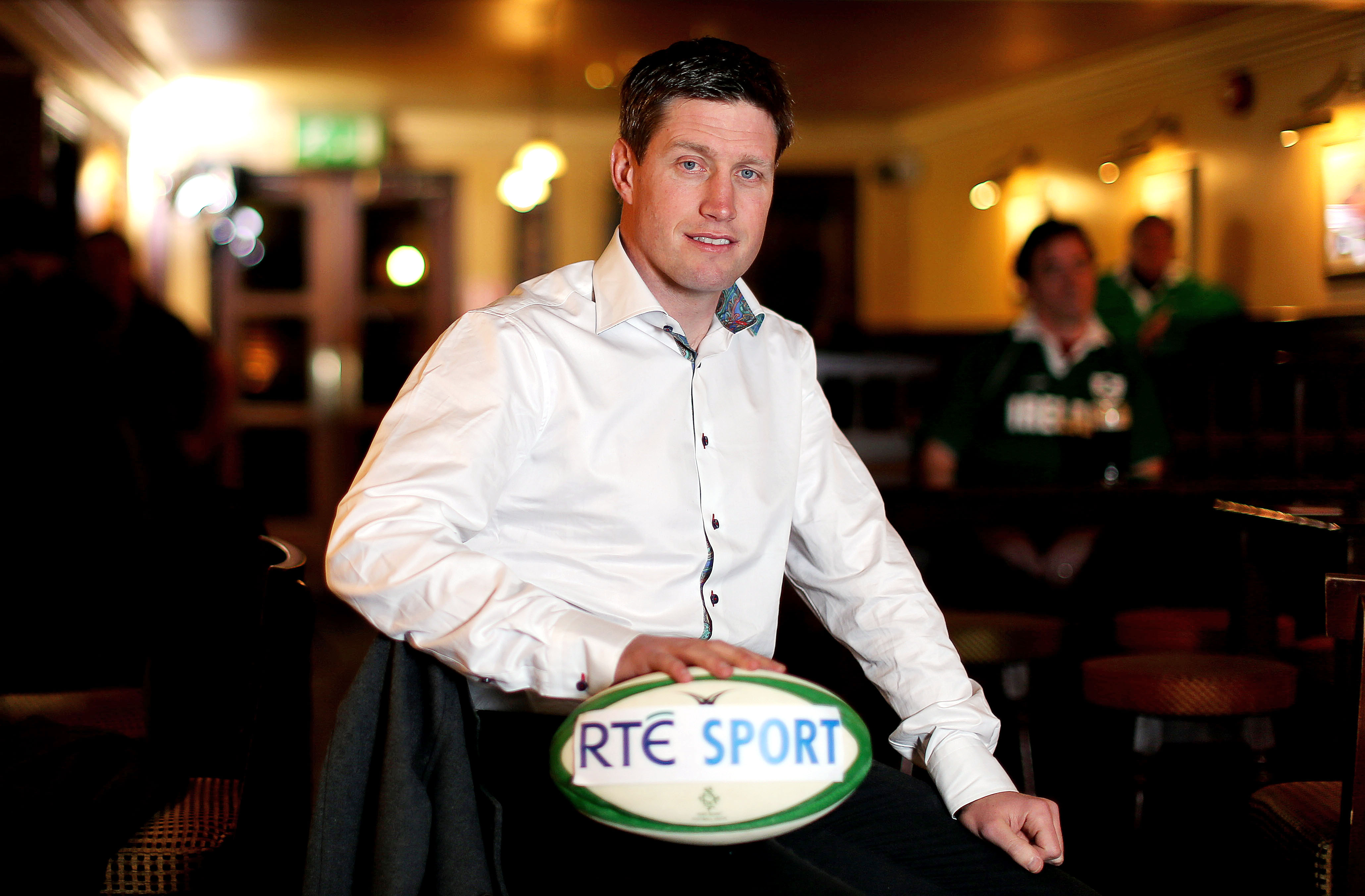
When Wales and England get the RBS 6 Nations under way on Friday night we will all be able to sit down and watch the action unfold on RTÉ television and be part of the national conversation that will take place around the games over the next six weeks.
But for how long will the ‘free to air’ coverage, notwithstanding the license fee, last in a world where sports media rights continue to spiral.
John Feehan, CEO of the Six Nations Tournament said recently that they would have to consider pay TV at the next renewal of broadcast rights in 2017. The event is not currently covered under protective legislation though that is being reviewed after a public consultation in 2014.
Yesterday it was confirmed that the Open Championship in Golf will move from the BBC to Sky TV in 2016, with the broadcast giant paying a sum believed to be in the region of €12 million.
The BBC has held the rights for 60 years and was there when Rory McIlroy, Tiger Woods, Jack Nicklaus and Greg Norman landed the famous Claret Jug.
It has been as much a part of British Summer Sport as Wimbledon and Royal Ascot but this will be the last year it is so.
The switch came quickly after the event was removed from a list of protected events and the BBC concentrated on retaining the highlights rights to the Premier League on Match of the Day.
Reaction from players was negative with Lee Westwood branding the decision a ‘disgrace’ and questioning where young players would be inspired in the future.
The lessons from English cricket are worrying. The sport moved to Pay TV exclusivity in a deal with Sky and in 2014 recreational playing numbers dropped from 908,000 to 844,000.
The impact on attendance has also been marked. Investment aimed at doubling g the numbers attending T20 matches actually resulted in a net drop in attendance and a review of the impact of no free to air cricket is now being considered by the English Cricket Board.
The GAA chose to sell a limited package of rights to Sky for last season’s Championship and gained the reward of increased international exposure as well as maintaining relevance and attendance at the games. The trick is to find the right balance.
In Britain 11 million households have access to Sky but only a third of them have Sky Sports. The Premier League has thrived under Pay per view but soccer may, like GAA, have a unique ability to reach beyond the restriction and constriction of less open viewing of the big events.
Whether Rugby has the same reach here and in the UK may be tested before the decade is out. For now though at least, lets enjoy the fact that we will be in good company sitting before a screen this weekend.