Ireland is to play a central part in the international campaign around protecting sports players from the effects of concussion after the launch in Dublin of a new Sports Surgery Clinic Research Foundation.
The facility will cost €15 million to get up and running and the aim is to have 100 research and medical staff on board by 2020. The first phase is already underway with a team of 20 led by Dr Andy Franklyn-Miller.
The Foundation will be chaired by Professor Paul McCrory of the Florey Institute for Neuroscience and Mental Health in Melbourne, Australia, a neurologist and sports physician with a global reputation and one of the key connections in terms of building an international circle of expertise with Dublin as the hub.
Purpose
The purpose is to lead and facilitate national and international research programmes in a co-ordinated fashion for the benefit of patients not only in Ireland, but all over the world.
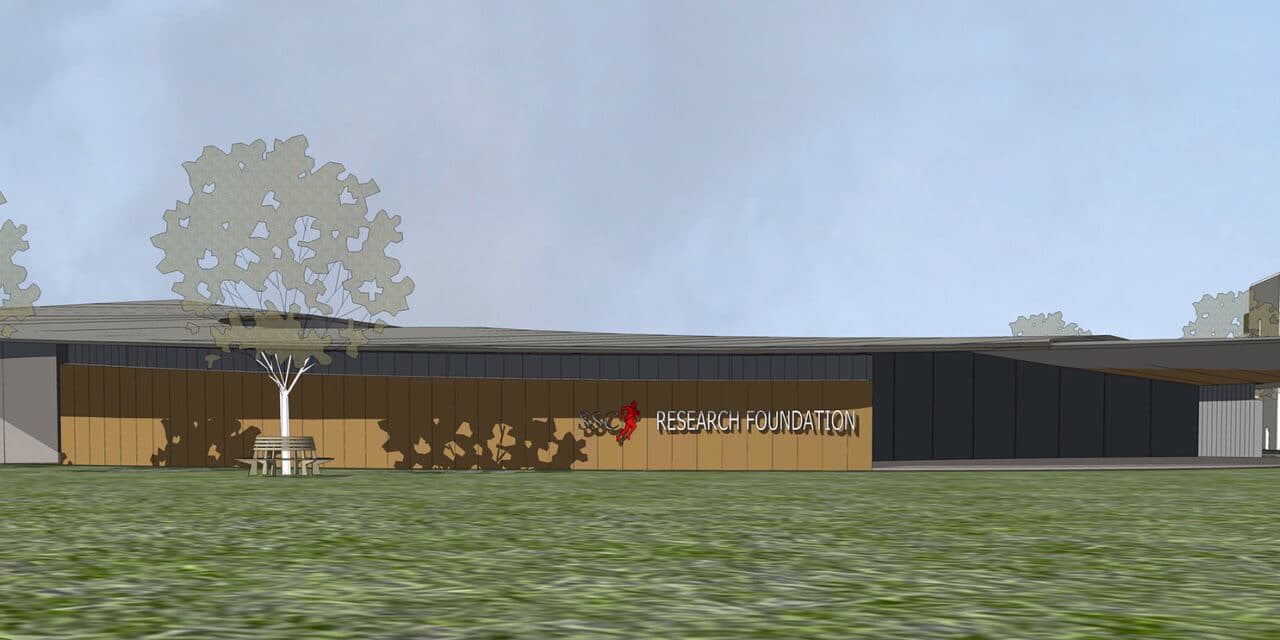
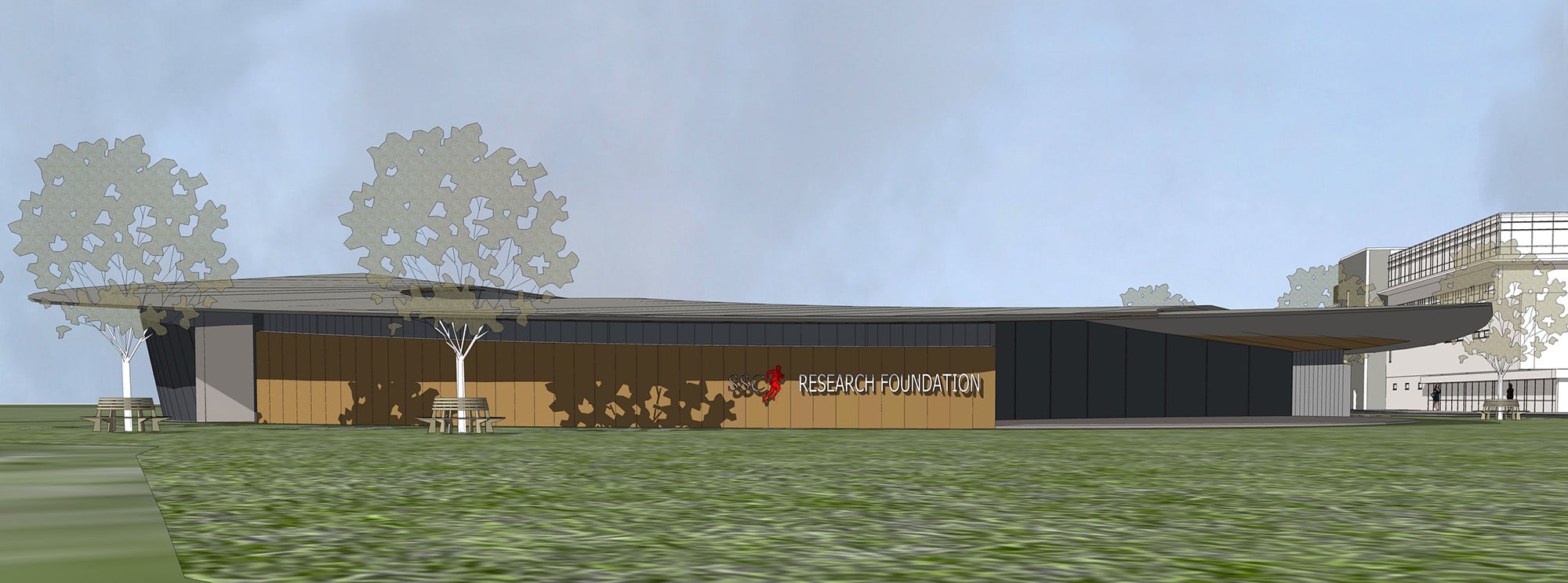
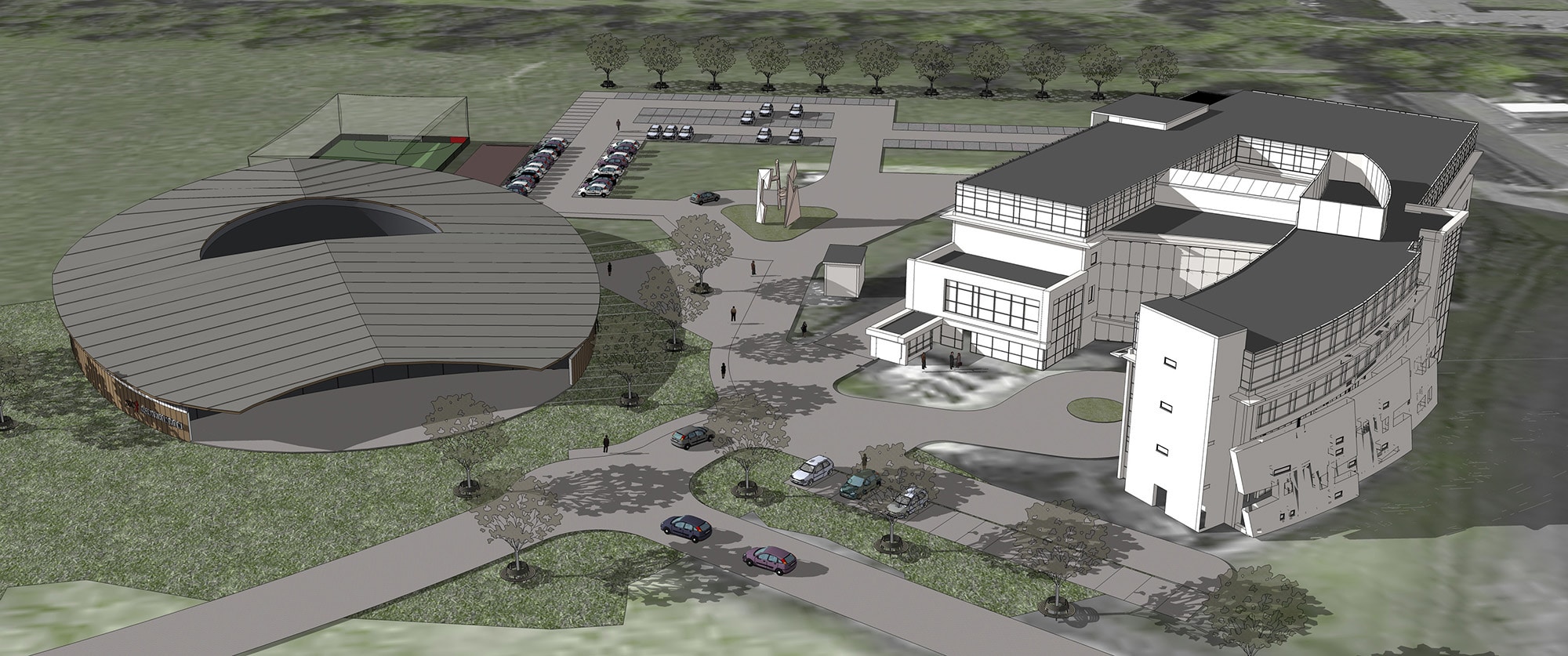 The Foundation will be housed in a state of the art facility for athlete training, rehabilitation and medical care as well as fundamental, transition and clinical research. The building will commence shortly adjacent to the Sports Surgery Clinic in Santry.
It is believed that conducting research, clinical and athletic care activities at a single site, and utilising evidence based care in patients, will better inform treatment and rehabilitation programmes. This will in turn reduce recovery time and ensure the best clinical outcome possible.
Impact
Whilst patients will benefit in the short-term, there will also be a long-term impact; reduced morbidity, improved recovery and increasing levels of return to normal activity mean less public health and social care funds will be required in the future. This is of critical international importance given the long-term impact seen at the level of patient, society and the economy if early intervention is not optimised.
The Foundation will target philanthropic donations as well as public funding and grant based financing in order to become established.
Recently expressed growing concern over the long term impact of concussion will also prompt significant research demand from major sports including the NFL in the United States where multiple legal actions are still in train as well as in rugby and other contact sports.
As the programme develops, additional international hubs or Foundation Centres may be developed in order to widen the pool of patients further which will also enhance the ability to achieve public-private funding partnerships in all juristictions.
Investment
“The Sports Surgery Clinic has already invested over half a million euro in the development of 3D Biomechanical testing for over 900 patients with groin injury from as far away as Australia and the Middle East as well as from amateur and professional sport,” said Franklyn-Miller at yesterday’s launch by An Taoiseach Enda Kenny.
“We see patients with ligament and muscle injuries every day, and it is this expertise that has allowed us to put together the case for the creation of the SSC Research Foundation. Now it’s time to share our expertise with the world and conduct research which will benefit patients of the future.”
“The development of a word class training facility will allow individuals and teams to be screened, train and utilise cutting edge testing and recovery facilities, and allow residential rehabilitation to be focused and driven by research. The genetic and cellular laboratories will ensure on-site work to develop techniques of accelerating repair at the cellular injury level in muscle and ligaments.”
Philanthropy
“We are a registered charitable research foundation so there are benefits for philanthropic donors, and as a recognised research body we can access grants and direct funding for research, but there will be a shortfall, and we will need to work hard to raise the funds required over the next 18 months. Today we are reaching out to attract philanthropic, industry and private funding,” he added.
“As the Government works to secure economic recovery, we are determined Ireland can be a world leader in research and innovation,” added Kenny.
“The Life-Sciences sector is playing its part, and this ambitious research project is very welcome in that regard.”

Watch out next week as we begin the build up to the second Annual Business of Sports Science Conference as part of the BT Young Scientist Exhibition at the RDS on January 8th.