News has broken late last night that three of FIFA’s major sponsors have severed links with soccer’s World governing body.
The Daily Telegraph has confirmed that Castrol, Continental and Johnson and Johnson have now joined Sony and Emirates in exiting the beleaguered organisation since difficulties emerged over an internal report into allegations of corruption at the highest level.
Sony and Emirates’ departure from the top tier of FIFA partners leaves five at that level, despite the FIFA website listing the partnership level as being a group of between six and a maximum eight.
Russian energy giant Gazprom was the latest major partner to come on board, in 2013, ahead of the Russian hosted 2018 World Cup while Qatar Airways are expected to replace Emirates in time for the 22 hosting of the event in their home state.
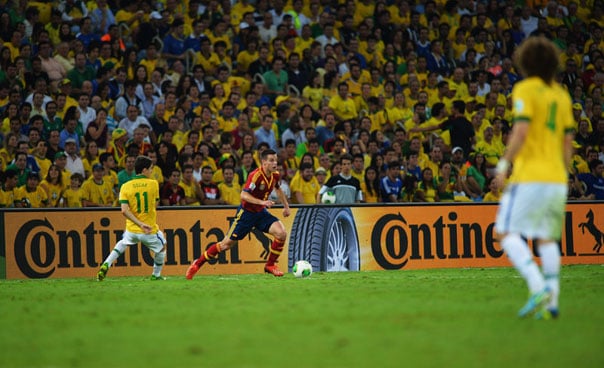
Continental has been involved as a second tier World Cup sponsor for the last two renewals and has a link to FIFA going back to 2003, but has said it is now concentrating its resource at regional level. This has been of benefit to the FAI and Women’s soccer in particular here with the announcement in 2014 that Ireland was to follow Germany and England as the third national sponsorship, taking over the Women’s National League and a range of activities focused on the Women’s game here.
Adidas, Coca Cola, Visa and Hyundai remain as the other four FIFA partners while Budweiser and McDonalds are the only two World Cup sponsors to be confirmed so far for Russia.
This year FIFA has announced an expansion of the sponsorship programme so that up to four Regional supporters, determined by continent will be allowed to use a selection of sponsorship rights around the tournament. None of those have thus far been revealed.
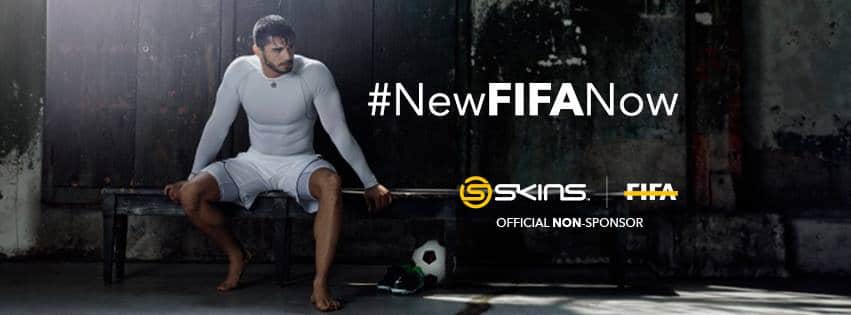 Additional pressure will come on Sepp Blatter’s reported run for another term as FIFA President with the launch today of what is claimed to be the world’s first ‘non-sponsorship’ agreement between Skins and pressure group New Fifa Now.
The break up of FIFA’s family of sponsors is the largest evidence to date of a growing trend towards sponsor activism and commercial pressure being brought to bear in areas of social justice and perceived integrity. Cycling suffered the loss of high profile brand endorsements through its torrid struggles with performance enhancing doping and this latest news highlights again the importance of corporate reputation.
That can and undoubtedly is enhanced through engagement with sport but if things are seen as not being right within a governing body then the commercial pressure will be wielded to make that right.
Whether this is the end game some social activists would have foreseen is open to some debate given the oft heard cries that sport’s soul should not be for sale but in our opinion it is a coming together of genuine concern and companies wanting to be seen as doing the right thing.
On the bright side, the sport itself remains far and away the world’s most popular. BT Sport and Sky Sports are currently going head to head in what will be the richest ever sale of broadcast rights to the Premier League in England, Nissan are in a first year deal with the UEFA Champions’ League and the FAI is expected to announce two new partnerships in the coming days and weeks.