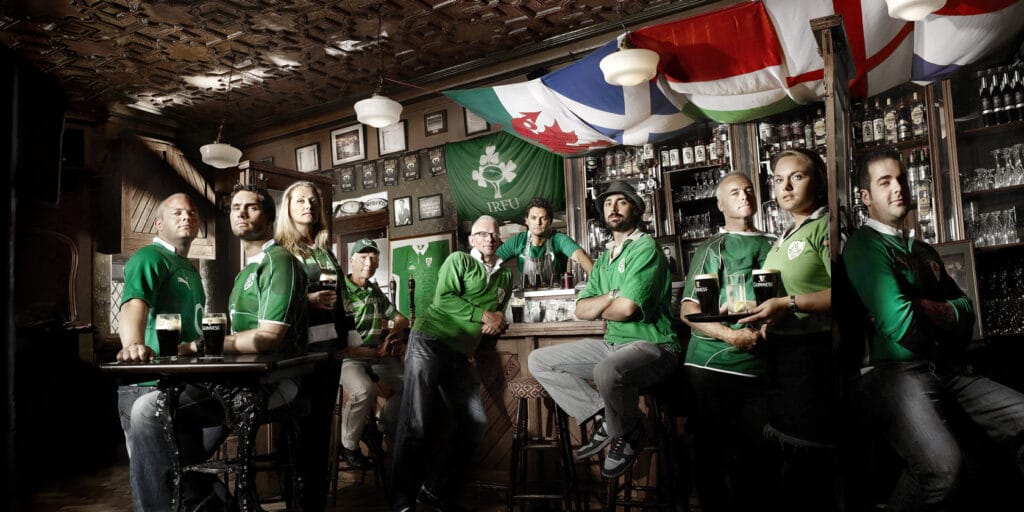
It has been debated in a manner that would befit many bar stool conversations, with a lot of rhetoric on both sides and very little meeting of minds and now the Alcohol Bill has been published it feels like we have had it before us for an age.
The irony is that the consultation has been so long and the nuances so complex that the bill will only progress to the statute books should the current Government be re-elected. We may have to travel this path again before too long.
In fairness, Minister Leo Varadkar has injected reality by suggesting that many of the elements within the bill will need to be analysed over a period of time before their effectiveness is known and changes can and likely will be made.
A good thing
The central issue is to lessen the threat caused by alcohol promotion in influencing young people to start drinking or to harm themselves by drinking too much. That is a good thing.
Minimum pricing and changes to retailing will have an impact here, as will restrictions on price based promotions or happy hours in pubs and clubs. Any walk around third level institutions in college will reveal the impact that these have on given days of the week.
There are areas of the bill though, particularly those relating to marketing, that are less easy to give a thumbs up or a thumbs down to.
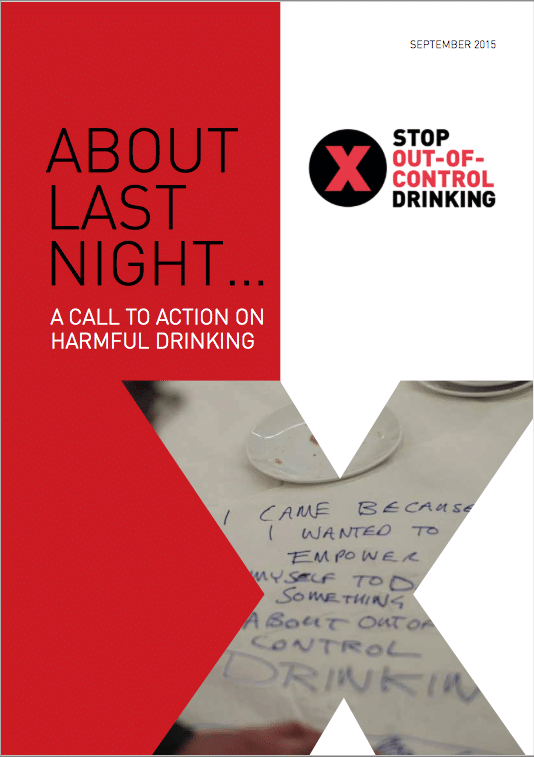
Download the full report here…
Before we go further, it should be stated, and no doubt will by many of those who oppose all forms of alcohol marketing, that Sport for Business includes in its membership major sporting sponsors including Diageo and Heineken. We are not beholden to them though and we have steered a constant path through this debate.
Earlier this year we put significant time and effort into travelling the country to compile a report into how Irish society as a whole can tackle issues around alcohol abuse. We did so with leaders from IRUPA, DCU, the Sport Ireland Chairman Kieran Mulvey and others.
We did so because we are parents, coaches and members of society and we are aware of the damage that can be caused.
Sport has been in the centre of the debate throughout with an outright ban on alcohol sponsorship of sport becoming a totem for how ‘real’ Government might be. When you look at the scope and scale of the bill though it is clear that sport is only a sideshow when it comes to this.
Banning
The banning of adverts on pitches is as far as this Bill goes but even then there is a question over how overseas broadcasters might or might not be able to impose digital signage and whether that can be policed at all.
The creation of a watershed for alcohol advertising will have some potential impact, particularly if it is rolled out to broadcast sponsorship of major events. The European Championships in 2016 have Carlsberg as a major sponsors of both the Tournament and the Republic of Ireland team. It could be a potential ‘first contact’ between legislation and commercial desire.
The real point of contention though lies in the placement of alcohol ads. The Bill is proscriptive in terms of the areas where outdoor advertising will be prohibited. Schools, playgrounds, public transport stations including bus stops and in cinemas other than for Over 18 films.
Restrictions
These restrictions will prevent public display across much of city centres, including especially the Aviva Stadium but less so Croke Park for example. Sports grounds are not listed as an area of prohibition.
Crucially it also does not address the fact that many of those whom we are seeking to protect from the influence of alcohol promotion are looking down into their phones as opposed to up at posters anyway.
Digital advertising is set to overtake other forms in the coming years, it already has in some markets and sectors, and yet it is not addressed here.
That will doubtless be included in the ongoing review.
When there is a problem to be addressed you have to start somewhere. That is what the Government has done. That it does so at a time when Ireland has dropped from first to eleventh in global alcohol consumption is irrelevant. That’s not a top 20 that bears comfortable scrutiny to be in among.
Corporate responsibility
The alcohol companies are more acutely aware of corporate responsibility these days. The report we completed was funded, though not directed or influenced by Diageo. Voluntary restrictions on advertising to young people have been in force for many years and there appears to be no pushback on moving those to a statutory footing.
When Guinness sponsored the All Ireland Hurling Championship it was a major exercise for Croke Park to cover all the advertising during the All Ireland Minor Final that preceded the main event in the hurling calendar.
Guinness remains as a stadium partner but the GAA does not include alcohol brands among its main portfolio of Championship sponsors. Soccer is more dependent with Carlsberg a prominent backer and Rugby more so again with Heineken and Guinness heavily involved not only in Ireland but across Europe.
The research that justifies this as responsible marketing, including demographic statistics and age appeal will never be accepted in some quarters but that doesn’t make them wrong.
Channel
So long as alcohol remains a drug with which society is comfortable, sport will remain a channel for marketing, just as will music, mainstream media and so many other sources.
Scanning media and ‘expert’ commentary this morning there is still an anger that sports sponsorship was not banned. That is just one speck on this bigger canvas.
If the Bill becomes law it will be a responsibility of sporting organisations, media and arts groups to look at how it can properly and effectively be implemented and improved.
If it falls because of electoral changes then we may be back again on the merry-go-round, if that is a phrase which is still permitted…