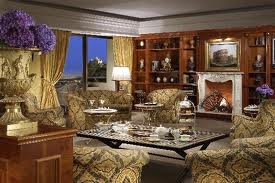
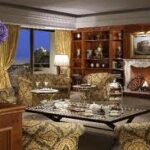
 The powerful forces of the European Rugby unions and leading clubs will gather again today in the splendour of the Cavalieri Hotel in Rome to progress a resolution to the ‘double booking’ of TV deals that emerged following news of BT Vision’s entry to the sport last month.
When the parties met in Dublin in the immediate aftermath of the deal between the broadcaster and the clubs of the English Premier League, no formal discussion took place in order to allow tempers to cool ahead of this meeting.
With the current deal due to expire at the end of this season and this year’s Heineken Cup and Amlin Cup fixtures about to start, there is little time left to resolve the future of what has become for many the most important tournament in the sport.
BT Vision’s deal gives exclusive rights to English club matches in European competition as well as to the English Premier League. Sky, who will be replaced as carriers of the English domestic game, did retain though the exclusive rights to the Heineken and Amlin Cups, the finals of which will be held next May in Dublin.
It is obvious that both sides cannot have an exclusive deal and the crunch now comes in whether English clubs will withdraw from the tournaments and seek to establish one of their own.
Initial feelings that France would join them cooled rapidly when the French President of European Rugby Cup (ERC) branded the English TV deal as illegal some weeks back. French concerns have now switched to altering the structure of the competition so that it carries fewer games, finishes early in the season and does not impact on the conclusion of the French domestic season.
 A Heineken Cup Final in January would considerably lessen its broader appeal outside the regular rugby audience and the dual promotion undertaken by Heineken and Sky in recent years around the double header of Heineken and UEFA Champions’ League Finals on the same Saturday in May should not be underestimated.
With regard to the TV deal it may well prove that the BT deal is one cycle ahead of its time in Europe. The English deal will enable it establish itself as a serious entrant to the market, alongside the package of 38 Premier League soccer matches it will show in future seasons. Sky remains dominant though for the moment and has seen off previous challenges from powerful new entrants such as ITV, Setanta and ESPN, none of whom have managed to dent its default position as the pay TV channel of choice.
It is likely that the deal was structured with this in mind. The original announcement spoke of massive financial benefit for the sport but only if all the pieces with other clubs and unions were to fall into place. It boosted the ability of English clubs to negotiate within Europe and in that sense may have fully served its purpose.
It is possible to foresee a stepping back from the European element ahead of a higher stake bidding war in four years time.
What happens with regard to the rest of the negotiation around the number of clubs eligible to compete in the main event and when it takes place are likely to be trickier to solve in the short term.
It is almost certain that the dominance of Irish provinces, in part through an ability to rest players from domestic duties because of certain qualification to the Heineken Cup, will be altered.
Coming off the back of a weekend in which Munster and Leinster drew a near 50,000 crowd to the Aviva Stadium in the RaboDirect Pro 12, perhaps that would be less of a blow to Irish Rugby than might have been imagined only a few short years ago.
It is always vital to find the right balance in sport, especially between different competitions. In soccer, the FA Premier League, Bundesliga, Primera Liga and Serie A share equal billing with the Champions’ League. In Rugby the balance up until now has tilted in favour of Europe and perhaps that needs to be addressed.
The worrying thing though fo at least some in Rome today is that if domestic and European rugby thrives at a club or provincial level, the lessons of soccer are that the international game will suffer. The national unions will be very conscious of that as they reflect in the Eternal City today.
View all the latest news on the commercial side of Irish sport
Find out more about how Sport for Business can be of benefit to you
Subscribe today for the free Sport for Business daily news digest
TVD-Day for Rugby