There are just under 200,000 people in Ireland who will have watching the Premier League yesterday with despair or delight yesterday based on whether or not Diego Costa hit the back of the net or at least got an assist.
They are the fantasy players who put as much time and thought into their weekly line up as some of the managers who are paid to do nothing else.
In the US, the numbers are staggering. 41 million people, that’s almost 20% of the population, play fantasy games based on the NFL, Major League Baseball or the NBA. Some pay into a pot from which there are financial prizes, some on media run tournaments that are free but serve to provide rich content.
Over 1 million are taking it to another level by playing daily fantasy games in a head to head or group format, and doing so to win money. More than anywhere else they are going to a site called FanDuel which this year alone raised over $70 million in funding, a chunk of it from NBC Sports Ventures.
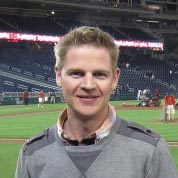 Nigel Eccles, The man who set up FanDuel was back in Dublin this week, a little over ten years after a short spell in marketing with Dermot Desmond’s BETDAQ betting exchange in the IFSC.
“I enjoyed my time here and it was exciting to be part of such a disruptive time in the online betting sector,” Eccles told Sport for Business after his speaking engagement at the Web Summit.
“We were competing in a massively crowded market though and it was difficult to really create a point of differentiation.”
After returning to the UK, Eccles spent time in London with a management consultancy but the idea of a head to head fantasy game kept him awake at nights and after four years he took time out and set up hubdub.com, a news prediction game that quickly grew to 250,000 users but was challenging in ways to make it pay.
Like any good entrepreneur he looked at what was working best, in this case sports, and turned those viewers onto fantasy sport through FanDuel.
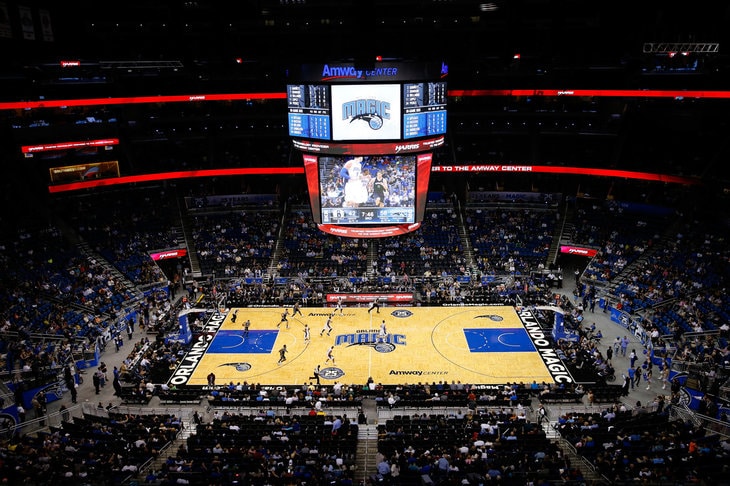
Five years on from the first game in 2009 FanDuel will take in revenues this year of more than $100 million and have just signed major partnership deals with the Orlando Magic and Brooklyn Nets in Basketball.
“We give people an opportunity to voice their opinion on something which they are passionate about, and back it with real money to win real money.”
“In the US that is harder than it would be in more liberal Europe but the Fantasy sector operates away from the illegal side of sports betting and as such has been able to capture vast market share.”
“The beauty of the US market is that it is very focused on very few events. The Baseball Playoffs roll into the start of the NBA season. The NFL stands above all like a colossus and everyone with an interest in sport is looking in the same direction.”
“Europe is more fragmented, with lots more local interest in national leagues.”
“We’ve only scratched the surface of the market in the States yet, with 98% of the Fantasy population yet to sample what FanDuel offers and that measure of upside is why investors like NBC have been so keen to get involved.”
“The breakthrough has already taken place and the coming years will be about current trends creating more widespread acceptance of what we are doing.”
 “The growth is fuelled not by having to reach out through massive expensive advertising deals but by partnering with the sports team that have the greatest access to the fans and whose ability to monetise the engagement they have is immense.”
People spend on sport, whether it’s €60 for the latest jersey, tickets to the game or for sports packages on TV so they can see everything that their team does.
It’s an emotional connection that reaches beyond the traditional relationship we have with brands and it’s one that offers plenty more scope for brands to come in and operate programmes that will tie them to what matters for the fans.
That’s a heady mix and Fanduel is at the heart of where people will pay small sums to be ever deeper immersed in the actions of their favourite players. The chance to play against them in prediction games has been at the heart of sport forever. Now it is a full fledged part of the money side of the multi billion industry.