 It’s not quite the Superbowl but March Madness in College Basketball is a sporting event that reaches out to a massive audience. It is also one where brands are keen to get get themselves front and centre stage.
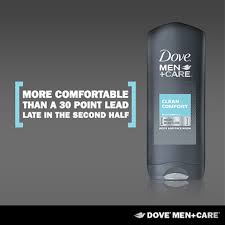
The prize for imagination and ingenuity this year goes to Dove’s men Care range who have created an integrated hub of content around the tournament, accessible online but primarily through mobile.
It is a massive collaborative effort taking elements of video content from CBS and playing it out through you tube channels, as well as a partnership with Bleacher Report on their brackets competition which invites players to name the winners from each match in the run to the final four in return for prizes that go all the way up to a $50,0000 home theatre set up.
Mobile is at the centre of this year’s campaign with polls, news, results and social media content gathered together in a single microsite that consumers will be pushed towards to stay in touch with the tournament throughout.
Unilever is one of the second tier of commercial partners of the event, behind Coca Cola, AT&T and Capital One but is likely the one to be spending most in activation.
The theme of it’s campaign is that in a world of tough decisions, choosing a skin care regime is one of the easier ones. They are avoiding using players in place of some of the better known coaches which gives a little more longevity to a campaign that could otherwise crash and burn with a single bad run of results.
With CBS or its affiliates paying $500 million each year to broadcast all the games, this is a major cultural event in the US and generates over 90% of the income that funds the college athletics programmes of those involved.
The sheer scale of the reach makes big investment worthwhile for advertisers and commercial partners and while that same scale may not apply to some of our tournaments here there are still lessons to be learned from the way that US companies promote themselves through the sport.
The intensity of competition is first and foremost with all the games, starting on March 20th, squeezed into a period of only three weekends.
There are no back doors or second chances and every game is it’s own mini final with the winner taking all to advance to the next round.
Making sure you get the social media shortcuts right is critical. The National Collegiate Athletic Association which owns the rights to the tournament has trademarked many of the popular phrases including march madness and sweet sixteen and do their best to manage social media but it is often the case of who spends most on promoting the hashtag that gets the results.
This is a likely area for Twitter to experiment with more promoted tweets and promoted accounts when a single stream is likely to be more visible than at almost any other time.
The concept of creating viral content will be uppermost in marketeers minds who have big budgets on the line and a very short window to get things right. It will be almost as entertaining watching the court side antics of the advertisers as it will the game action itself.