 “You have to look to the DNA of a destination to find the right blend to make it a successful sports tourism location.”
So says Lars Olsen, Director of the Danish Knowledge Centre of Coastal Tourism and a speaker at next week’s European Sports Tourism Summit at Thomond Park in Limerick on May 15th.
The Centre was established by the Danish Government in 2012 to explore how the international trend of ‘back to nature’ could be managed into an increase in special interest tourism.
“Denmark had been witnessing a decline in coastal tourism and a greater emphasis on city breaks, and this had the potential to damage longer term investment in tourism infrastructure around the country,” said Olsen speaking to Sport for Business.
“We looked at international data that showed people were looking for more natural destinations, and that they wanted to be a part of activities on their holidays rather than just being observers.”
“Activity is a major part of what will attract people, engage them and encourage them to return.”
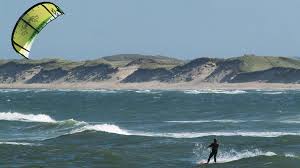
“Sometimes luck can play a part. One of Denmark’s most popular surfing areas was discovered by two German doctors who had missed a ferry and went in search of something to do while they were waiting.”
“They found some great waves, spread the word among colleagues when they got home and within a short space of time we had a reputation as a great place to go surfing.”
“Vorupoer and Klitmoeller turned from two sleepy towns in Northern Jutland, with 800 inhabitants between them, to being one of the surfing hot spots of Northern Europe.”
“It cannot always though be left to chance that people will discover places and spread the word.”
“It needs cooperation between Government at national and especially local level, local businesses and tourism authorities.”
“Together they need to make specific plans on how they can build a reputation around a natural highlight and strategically put in place the right levels of accommodation, food, culture and sport.”
Sport for Business Members can avail of a €40 discount on attendance at the European Sport Tourism Summit.
The Summit takes place at Thomond Park Stadium in Limerick on Thursday, May 15th.
Click here for more details.

“People will come to cycle, swim, run or climb through wonderful natural areas but they need to be well looked after as well.”
“Tourism needs to be developed through the stages of an adult life from adventure to family and the different ways that their happiness needs to be catered for.”
“In Denmark we have identified 20 specific locations where we can build and grow tourism.”
“We then work with other economic groups to focus on building tourism as the main local business, and not one of many.”
“We would not locate a major plastics factory in the area where we are looking to develop tourism. That would go elsewhere. Sometimes that can be a brave step for a town but it’s what it needs to do if it wants to be serious about tourism.”
“The rewards are there as well.”
“In Ameland in the Netherlands, they have turned a six weak tourism season into an almost year round centre by focusing on major tournaments in beach rugby, beach soccer, beach volleyball and kitesurfing.”
“They saw what they had, planned on how they could make the most of it and told their story well to the world.”
“Ireland has the potential to do the same in a number of key areas.”