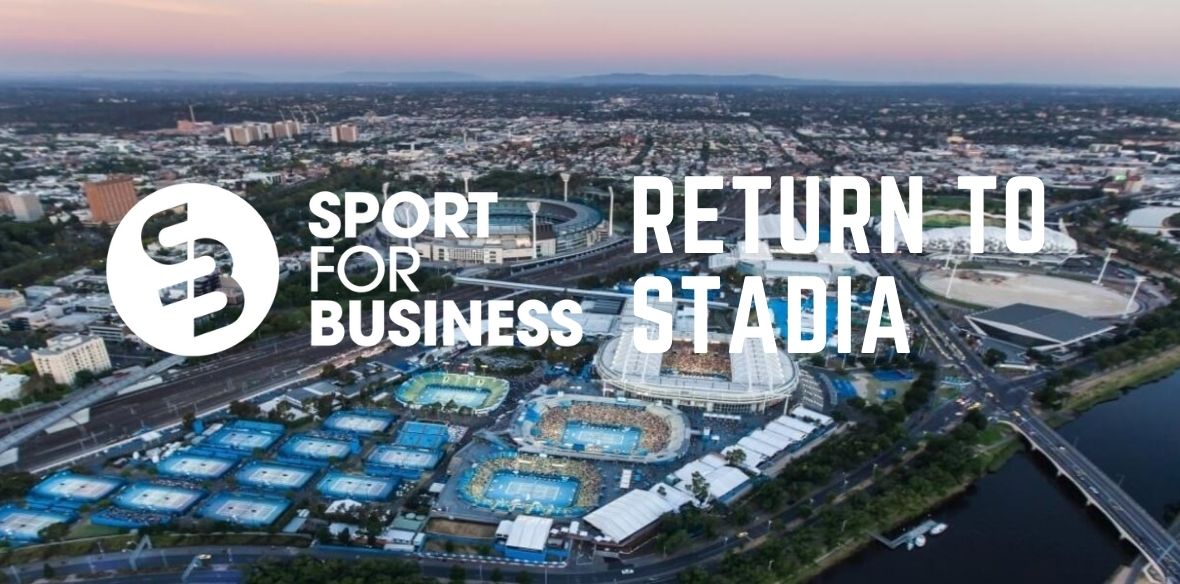
The future of sport as we know it hinges on getting fans back into stadia. This is especially true in Ireland where the IRFU, FAI and GAA rely to a very high level on the income generated by matchday ticketing and revenue.
Each week we will take a look at developments around the world on where sporting organisations, public health authorities and governments are moving in the return to stadia.
HOW MANY WILL COME BACK?
A key question for stadia and sporting bodies is how many fans will come back into a stadium environment while Covid still stalks the world.
It is an answer that will ebb and flow and it is likely that it will require a high level of vaccination, as well as a low level of community transmission before the number matches what it needs to be to make the reopening financially viable.
In the main up to now, we have only been able to guesstimate what the take-up will be, but the opening days of the Australian Open Tennis in Melbourne enable a level of greater scrutiny.
Last year’s opening day at Melbourne drew an attendance of 64,387.
Public health officials this year have allowed a daily limit of 30,000 to attend the matches but the first day saw only 17,922 or just over half of those who could have gone actually making the move to take their seats.
It was inevitable that there would be a degree of nervousness but with the number of cases at a very low level, organisers would have expected there to be a greater take-up.
NCAA SET DATES AND VENUES FOR WOMEN’S BASKETBALL
The National Collegiate Athletic Association which runs College Sport across the US has confirmed San Antonio in Texas, and the surrounding region, will host this year’s Division One women’s basketball tournament.
64 teams of 34 players and backroom staff will locate to the area between 21st March and 4th April.
ESPN will broadcast all the games live but a decision on whether fans will be able to attend has been deferred until closer to the time.
CROWD SOUNDS AT SIX NATIONS INCLUDED BAGPIPES
Crowd sounds at the weekend’s Guinness six Nations were broadcast into the grounds in Rome, twickenham and Cardiff with mixed reaction from fans.
It was clearly audible in the background in Italy even through a moment’s silence before the game started which was not a great beginning.
The victory of Scotland in Twickenham for the first time in 38 years was accompanied by the clear sound of bagpipes.
Artificial crowd sounds have divided opinion since they were first introduced by Sky with the return of international soccer last year. Sky do provide an option to turn it off but that was not an option on the rugby with the sound being broadcast into the stadium.
Sport for Business Partners
[logo_carousel_pro id=”51608″]